Turntable needle macro
1344×768 · AVIF · CC BY 4.0
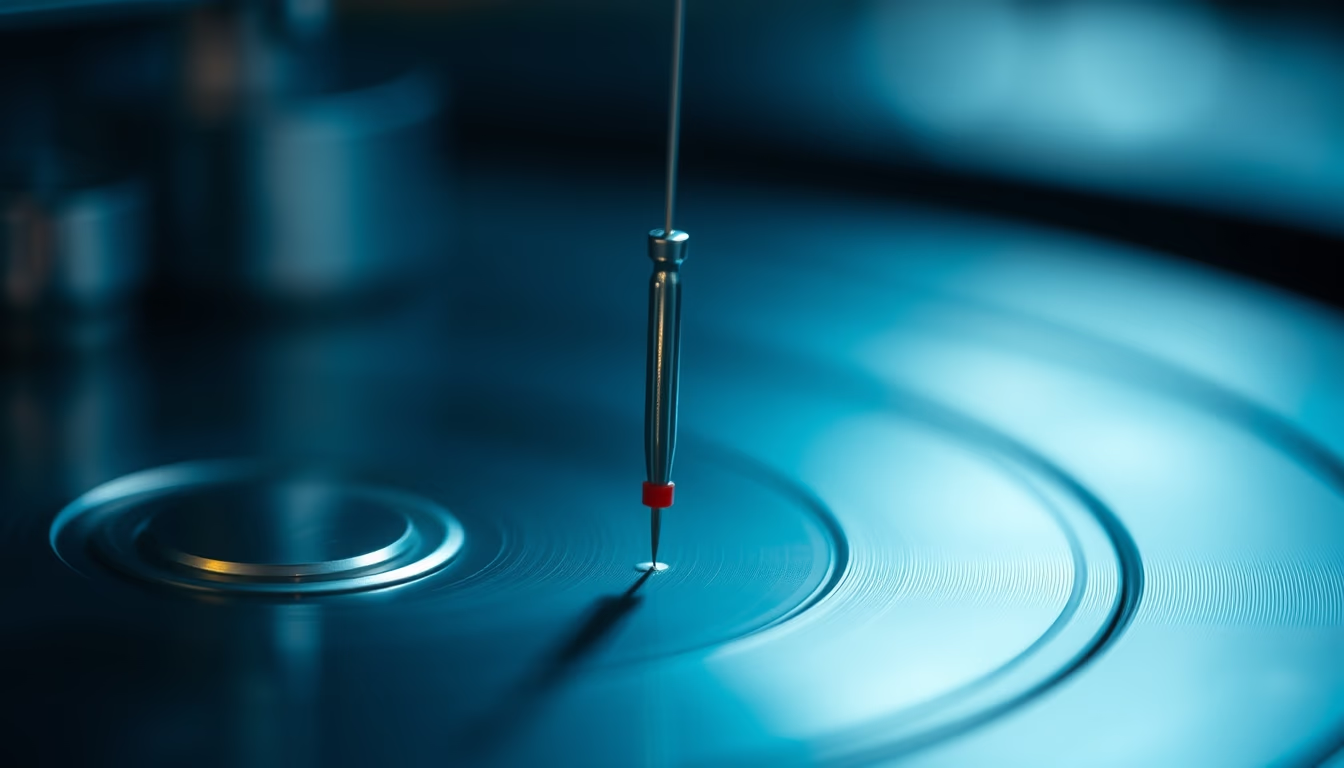
Macro of a turntable needle reveals details of the diamond tip that reads vinyl grooves and converts vibrations into analog sound.
About this subject
The turntable needle, also known as the stylus, is the component responsible for extracting sound from the grooves of a vinyl record. Typically made of diamond or sapphire, the stylus tip traces the microscopic undulations of the record's groove, generating mechanical vibrations that are converted into electrical signals by the cartridge. These signals are then amplified and sent to the speakers. The tracking force applied by the needle is critical: typical values range from 1.5 to 3 grams, depending on the cartridge and tonearm model. Incorrect pressure can damage both the record and the stylus itself.
The shape of the stylus tip directly affects playback quality. Common profiles include conical, elliptical, hyperelliptical, and microline. More advanced profiles, such as microline, can read a larger portion of the groove, reducing noise and distortion, especially at high frequencies. The lifespan of a diamond stylus is around 500 to 1000 hours of play, after which wear can compromise sound fidelity and even scratch records. For this reason, audiophiles regularly replace the stylus and keep records clean to avoid dust accumulation in the grooves.
Historically, early needles were made of steel or wood and had to be replaced after every side. With the introduction of the 33 1/3 RPM vinyl LP in the 1940s, materials evolved to diamond and sapphire, offering greater durability and better frequency response. The invention of the electric turntable and adjustable counterweight tonearm also contributed to standardizing tracking force. Today, the market offers everything from inexpensive generic styli to high-end audiophile models costing thousands of dollars. Proper maintenance includes periodic cleaning with specialized brushes and checking cartridge alignment.
Interestingly, under ideal conditions, the stylus travels approximately 900 meters while playing 30 minutes of music on one side of an LP. This mechanical precision is one reason vinyl continues to be cherished by analog sound enthusiasts despite digital advances. A macro photograph of the stylus highlights the ingenuity behind this seemingly simple object that still moves millions of listeners worldwide.
Frequently Asked Questions
What is the most common material for turntable needles?
Diamond is the most common material due to its hardness and wear resistance. Sapphire needles are also used but have a shorter lifespan.
How can I tell if my turntable needle is worn out?
Signs include distorted sound, excessive surface noise, skipping, and visible flattening of the tip under magnification. Replacement is recommended every 500 to 1000 hours of use.
Can tracking force damage vinyl records?
Yes. Excessive force can deform the grooves and shorten record life. Too little force causes mistracking. The tracking force should match the cartridge manufacturer's specifications.
Direct URL
https://pub-c7d6a6ea828543ac903a74a341ccb2e1.r2.dev/imagens/turntable-needle-macro-macro-closeup-p0.avifHow to credit
Include a visible link back to UtilizAí. Copy one of the snippets below:
<a href="https://xn--utiliza-eza.com/en/midia/imagens/turntable-needle-macro-macro-closeup-p0">Turntable needle macro</a> by <a href="https://xn--utiliza-eza.com">UtilizAí</a>, licensed under <a href="https://creativecommons.org/licenses/by/4.0/">CC BY 4.0</a>.
[Turntable needle macro](https://xn--utiliza-eza.com/en/midia/imagens/turntable-needle-macro-macro-closeup-p0) by [UtilizAí](https://xn--utiliza-eza.com), CC BY 4.0
License: CC-BY-4.0