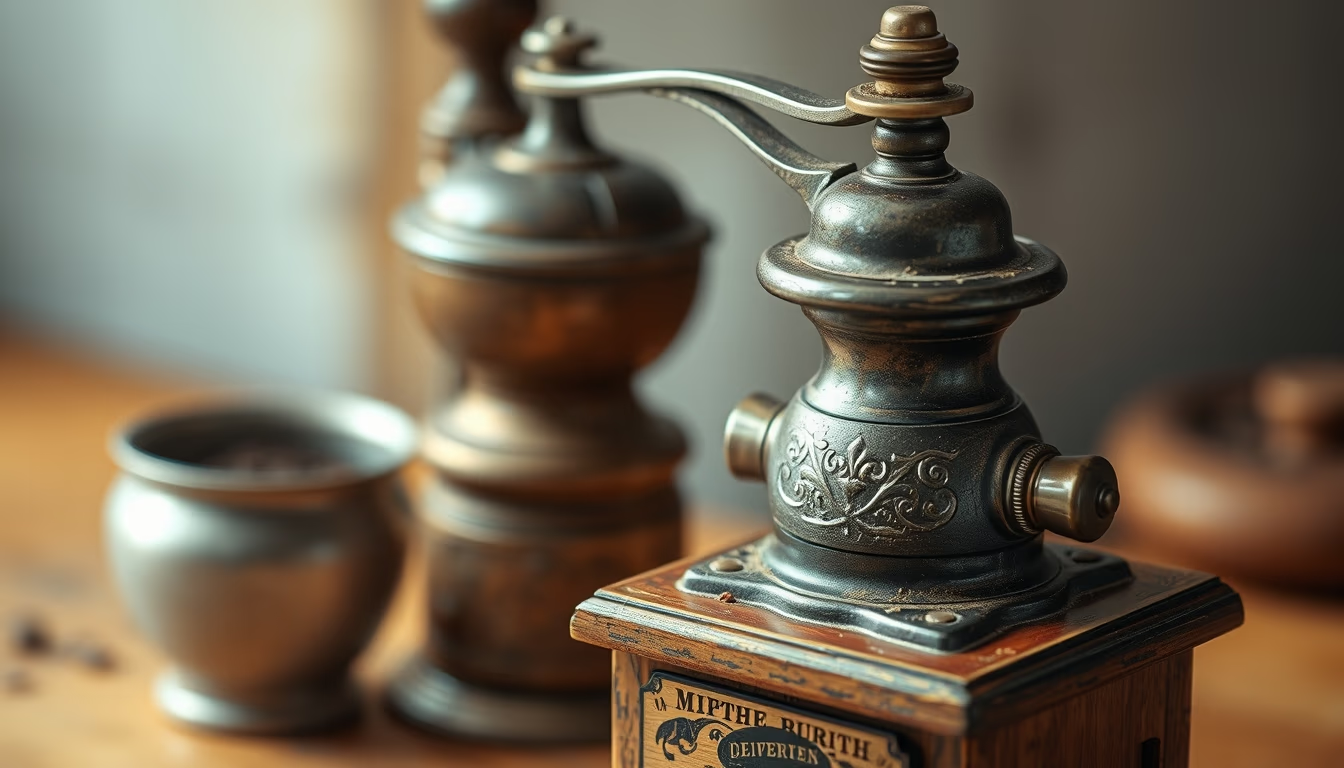
Turkish coffee copper pot
1344×768 · AVIF · CC BY 4.0

The cezve, a copper pot for Turkish coffee, is an ancient utensil that preserves the tradition of preparing the world's oldest coffee, recognized by UNESCO.
About this subject
The cezve, also called ibrik, is the traditional copper pot used to prepare Turkish coffee, one of the most iconic beverages in Middle Eastern and Balkan culture. This utensil, typically hand-hammered from copper and lined with tin to prevent oxidation, features a long handle and a pouring spout designed to easily serve the foamy drink. Its conical shape and wide mouth help control boiling and ensure the formation of the characteristic foam, known as kaimaki.
Turkish coffee preparation is a ritual dating back to the 16th century, when coffee arrived in the Ottoman Empire. The method involves cold water, sugar (optional), and very finely ground coffee, all mixed in the cezve and slowly heated, traditionally over hot sand or embers. The key is to avoid a full boil, removing the pot as soon as the foam rises, repeating the process to intensify flavor. In 2013, UNESCO inscribed Turkish coffee on the Representative List of the Intangible Cultural Heritage of Humanity, highlighting its social and ceremonial importance.
Beyond its practical use, the copper cezve is an artisanal symbol. In Turkey, especially in the Gaziantep region, craftsmen produce cezves decorated with engravings and geometric patterns, sold as souvenirs and decorative items. Copper is chosen for its even heat distribution, which allows gradual heating that enhances aroma and prevents burning. After drinking, the coffee grounds at the bottom of the cup are used for fortune telling (tasseography), a popular practice worldwide.
The cezve is not limited to Turkish coffee: in countries like Greece, Serbia, Bosnia, and Armenia, similar versions are used for comparable coffees, such as Greek or Bosnian coffee. Each culture adapts the method and sweetness, but the copper cezve remains the common link. Despite modernization, many enthusiasts still prefer the traditional cezve over electric machines, valuing the manual control and social ritual that accompanies the drink.
Frequently Asked Questions
Why is the cezve made of copper?
Copper is used for its excellent thermal conductivity, which distributes heat evenly during Turkish coffee preparation. This prevents the coffee from burning and helps create the creamy foam (kaimaki). The interior is tin-lined to protect against oxidation and reactions with the coffee.
What is the difference between cezve and ibrik?
Cezve is the Turkish name, while ibrik (from Arabic 'ibriq') is used in other Middle Eastern and Balkan regions. The terms are interchangeable, though ibrik can also refer to water pitchers. Both describe the same long-handled coffee pot.
How is Turkish coffee prepared in a cezve?
Cold water, finely ground coffee, and sugar (optional) are mixed in the cezve. It is heated slowly until almost boiling, then removed from heat as foam rises. The process is repeated two to three times. Served in small cups, allowing the grounds to settle.
Direct URL
https://pub-c7d6a6ea828543ac903a74a341ccb2e1.r2.dev/imagens/turkish-coffee-copper-pot-film-grain-authentic-p1.avifHow to credit
Include a visible link back to UtilizAí. Copy one of the snippets below:
<a href="https://xn--utiliza-eza.com/en/midia/imagens/turkish-coffee-copper-pot-film-grain-authentic-p1">Turkish coffee copper pot</a> by <a href="https://xn--utiliza-eza.com">UtilizAí</a>, licensed under <a href="https://creativecommons.org/licenses/by/4.0/">CC BY 4.0</a>.
[Turkish coffee copper pot](https://xn--utiliza-eza.com/en/midia/imagens/turkish-coffee-copper-pot-film-grain-authentic-p1) by [UtilizAí](https://xn--utiliza-eza.com), CC BY 4.0
License: CC-BY-4.0