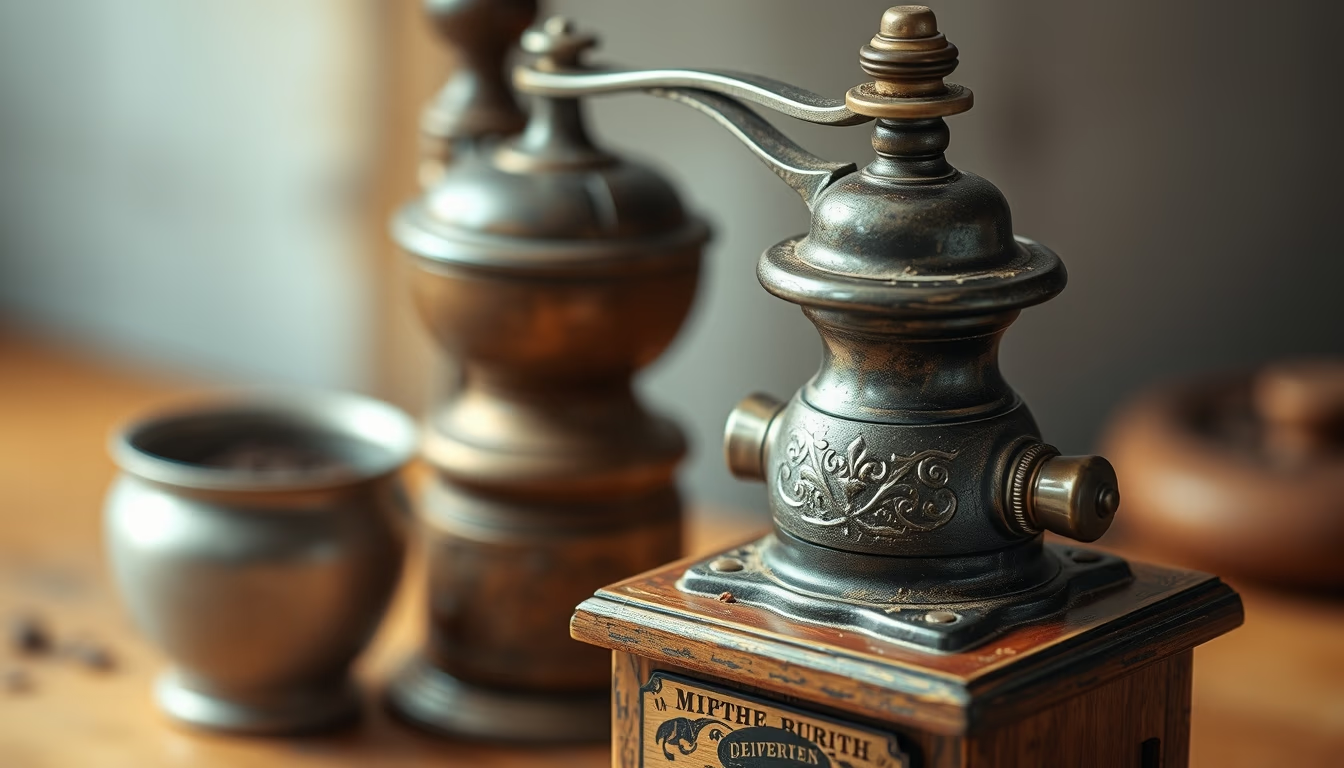
Turkish coffee copper pot
1344×768 · AVIF · CC BY 4.0

The Turkish copper coffee pot, known as cezve or ibrik, is the essential vessel for brewing traditional Turkish coffee, a UNESCO Intangible Cultural Heritage.
About this subject
Turkish coffee is a centuries-old brewing method, recognized by UNESCO as an Intangible Cultural Heritage of Humanity in 2013. At its heart is the cezve or ibrik, a small long-handled pot traditionally made of copper and lined with tin. Copper is prized for its excellent thermal conductivity, allowing even and controlled heating of the water, finely ground coffee, and sugar mixture, typically over hot sand or low flame.
The cezve has a conical or wide-mouthed shape with a pouring spout, designed to retain the frothy foam that is a hallmark of Turkish coffee. Crafting these pots is an art: artisans in Turkey hammer and tin the copper in centuries-old workshops, especially in regions like Gaziantep and Istanbul. Because unlined copper can react with acidic foods, the interior is tinned for safety.
Turkish coffee preparation is ritualistic: cold water, coffee ground to a fine powder (like talcum), and sugar are placed in the cezve, stirred, and heated until nearly boiling, forming foam. It is served in small cups, with the grounds settling at the bottom. Reading the coffee grounds is a traditional fortune-telling practice in Turkey and the Balkans. The cezve is also used in other Arab countries and Greece for similar coffee styles, with variations like adding cardamom.
The global popularity of Turkish coffee and its equipment has risen alongside interest in artisanal methods. Today, copper cezves are sold worldwide in specialty stores and online marketplaces, often featured in lifestyle and culinary photography for their nostalgic and exotic aesthetic. Proper maintenance involves hand washing and periodic re-tinning to preserve the pot's shine and safety.
Frequently Asked Questions
What is the difference between a cezve and an ibrik?
Cezve and ibrik refer to the same pot, but cezve is more common in Turkey, while ibrik is Arabic and used in other Middle Eastern countries. Both describe the long-handled pot for brewing coffee.
Why is Turkish coffee made in copper?
Copper conducts heat quickly and evenly, essential for making Turkish coffee, which requires gradual heating to form foam without boiling. Copper is also durable and historically accessible in the region.
How do I clean and maintain a copper cezve?
Wash with a soft sponge and mild detergent, dry immediately. Avoid abrasives. Periodically use a lemon-salt paste to remove tarnish, and re-tin the interior every few years or if green spots appear.
Direct URL
https://pub-c7d6a6ea828543ac903a74a341ccb2e1.r2.dev/imagens/turkish-coffee-copper-pot-cinematic-wide-shot-p4.avifHow to credit
Include a visible link back to UtilizAí. Copy one of the snippets below:
<a href="https://xn--utiliza-eza.com/en/midia/imagens/turkish-coffee-copper-pot-cinematic-wide-shot-p4">Turkish coffee copper pot</a> by <a href="https://xn--utiliza-eza.com">UtilizAí</a>, licensed under <a href="https://creativecommons.org/licenses/by/4.0/">CC BY 4.0</a>.
[Turkish coffee copper pot](https://xn--utiliza-eza.com/en/midia/imagens/turkish-coffee-copper-pot-cinematic-wide-shot-p4) by [UtilizAí](https://xn--utiliza-eza.com), CC BY 4.0
License: CC-BY-4.0