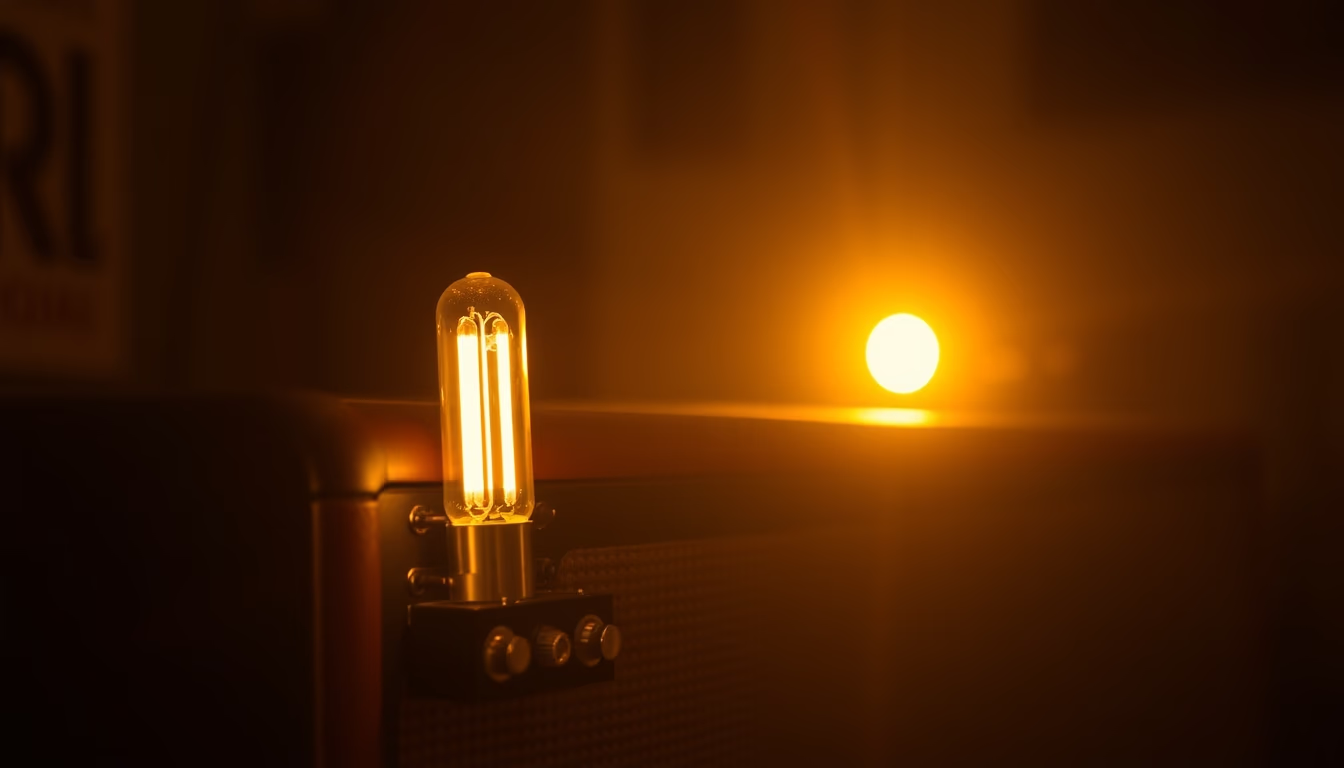
Tube amplifier glowing
1344×768 · AVIF · CC BY 4.0
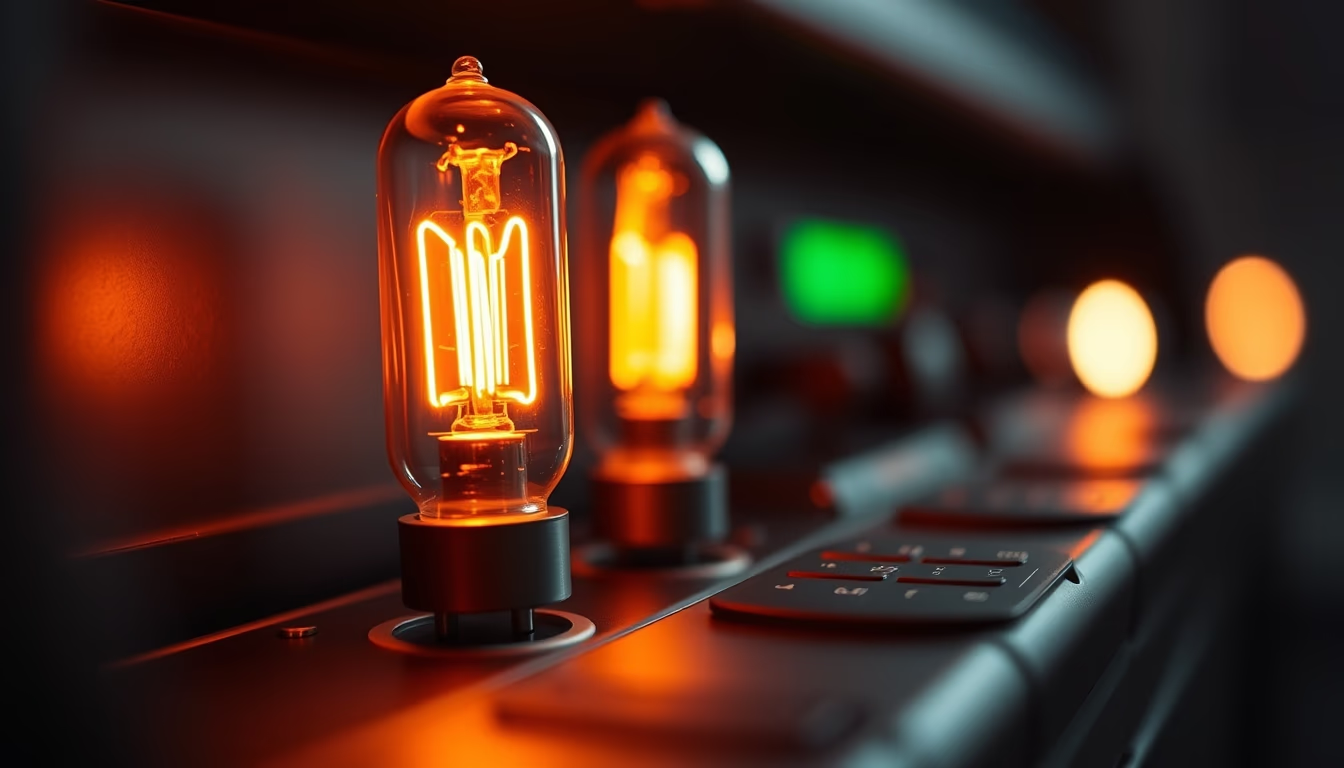
Thermionic valves in amplifiers produce a characteristic orange glow and warm sound cherished by audiophiles.
About this subject
Tube amplifiers, also called valve amplifiers, use thermionic valves (vacuum tubes) to amplify audio signals. Invented in the early 20th century, valves were the foundation of electronics until the arrival of transistors in the 1960s. Unlike solid-state amplifiers, valves heat a filament that emits electrons in a vacuum environment, controlling the current flow. This process generates the characteristic orange glow, visible in many builds where the valves are exposed.
The sound of tube amplifiers is described as 'warm', 'musical' and 'natural', with even-order harmonic distortion considered pleasing to the human ear. Therefore, guitar and bass musicians often prefer tube amplifiers, such as classic models from Fender, Marshall and Vox. In high fidelity, audiophiles seek tube amplifiers for music reproduction, believing they offer a richer, more immersive timbre, especially in mid and high frequencies.
Although less efficient and heavier than transistor amplifiers, tubes are still manufactured and valued. Production lines exist in Russia (e.g., Sovtek) and China, supplying the replacement and new equipment market. The glow of the tubes is not just aesthetic: it indicates the filament is heating and the component is ready to operate. Each tube has a limited lifespan, typically between 1,000 and 10,000 hours, depending on use and quality.
Maintaining a tube amplifier requires special care: it must warm up before use, avoid excessive vibration, and replace worn tubes. Despite maintenance, the sensory and sonic appeal keeps the flame alive among enthusiasts. In recording studios, classic tube amplifiers are still used to capture unmistakable tones that defined genres like rock, blues and jazz.
Frequently Asked Questions
Why do tube amplifier valves glow?
The orange glow is produced by heating the filament (cathode) inside the tube, which can reach hundreds of degrees Celsius. This heat releases electrons via thermionic emission, necessary for the amplifier to function.
Are tube amplifiers better than solid-state ones?
There is no consensus. Tube amplifiers are preferred by many musicians and audiophiles for their smooth harmonic distortion and 'warm' sound, but they are less efficient, heavier, and require more maintenance than transistor models.
How long does an amplifier tube last?
Lifespan varies between 1,000 and 10,000 hours, depending on tube quality, applied voltage, and usage. Power tubes generally last less than preamp tubes.
Direct URL
https://pub-c7d6a6ea828543ac903a74a341ccb2e1.r2.dev/imagens/tube-amplifier-glowing-macro-closeup-fresh1.avifHow to credit
Include a visible link back to UtilizAí. Copy one of the snippets below:
<a href="https://xn--utiliza-eza.com/en/midia/imagens/tube-amplifier-glowing-macro-closeup-fresh1">Tube amplifier glowing</a> by <a href="https://xn--utiliza-eza.com">UtilizAí</a>, licensed under <a href="https://creativecommons.org/licenses/by/4.0/">CC BY 4.0</a>.
[Tube amplifier glowing](https://xn--utiliza-eza.com/en/midia/imagens/tube-amplifier-glowing-macro-closeup-fresh1) by [UtilizAí](https://xn--utiliza-eza.com), CC BY 4.0
License: CC-BY-4.0