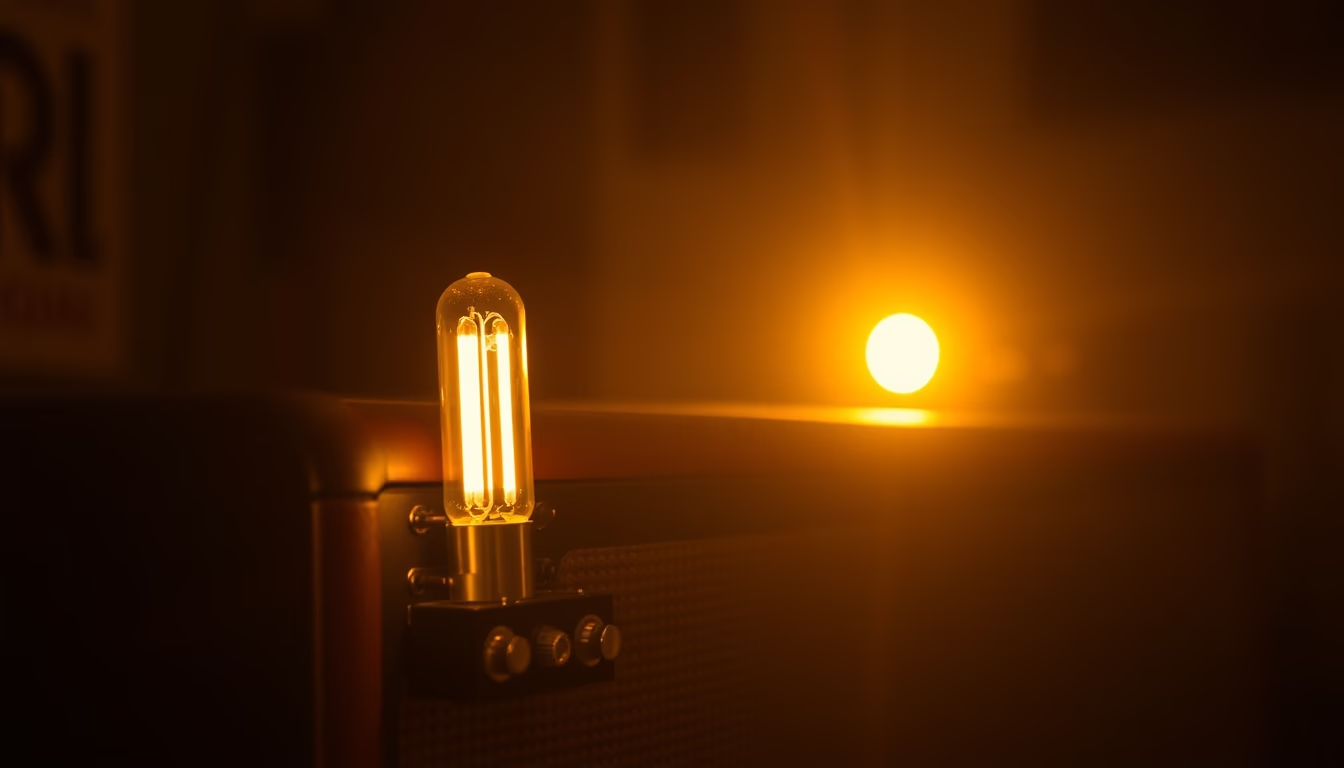
Tube amplifier glowing
1344×768 · AVIF · CC BY 4.0
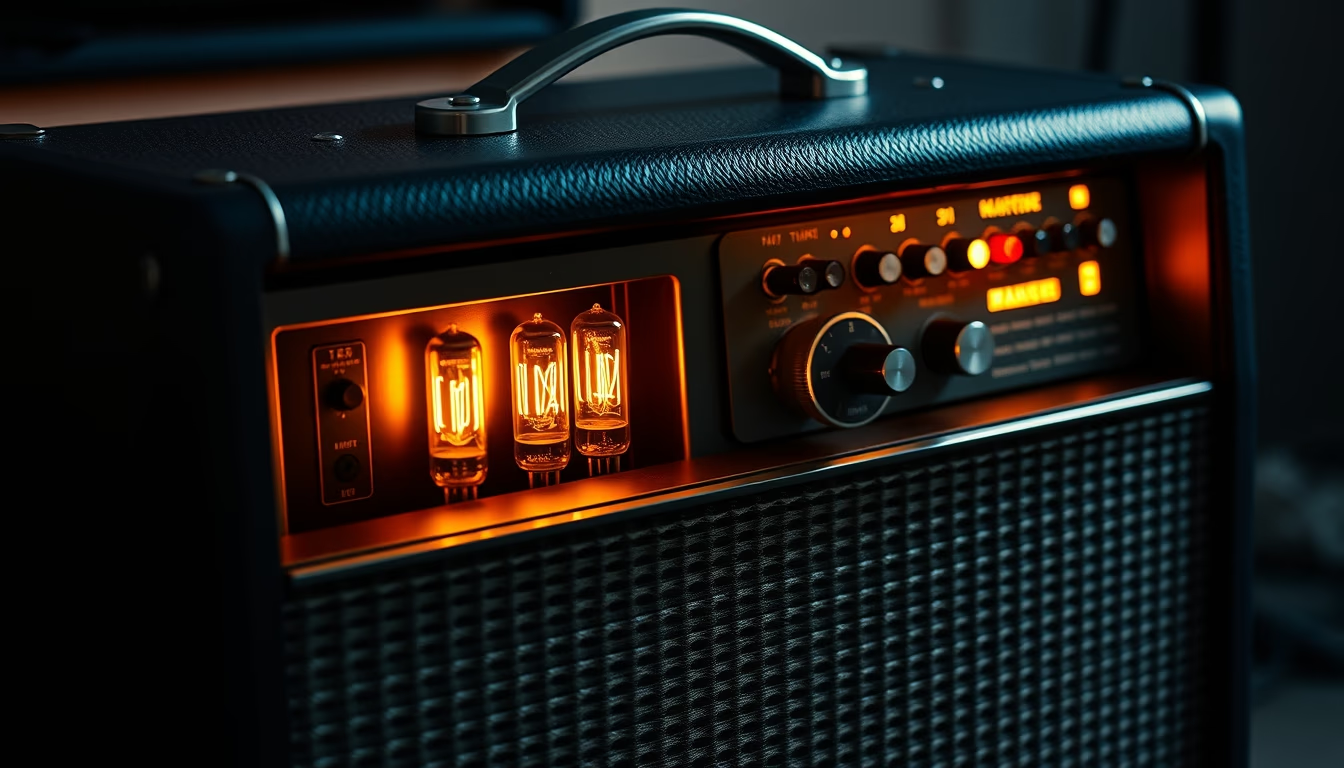
Tube amplifiers glow with nostalgic orange light, revered by audiophiles and musicians for their warm sound.
About this subject
Tube amplifiers, also known as valve amplifiers, use vacuum tubes to amplify electrical signals. Invented in the early 20th century, they were the backbone of audio electronics until transistors became widespread in the 1960s. Inside each tube, a heated filament releases electrons via thermionic emission, controlled by grids to modulate the signal. This process imparts a smooth harmonic distortion prized by guitarists and audiophiles.
The golden age of tube amplifiers occurred between the 1950s and 1960s, with iconic models like the Fender Twin Reverb and the Marshall Plexi. Although more efficient and cheaper solid-state amplifiers replaced them in mainstream use, tube amps never disappeared. In fact, they experienced a revival from the 1990s onward, driven by the desire for a more 'organic' and vintage tone. In recording studios, amplifiers like the Vox AC30 and Mesa Boogie Dual Rectifier are legendary.
A striking feature is the orange glow emitted by the tubes, which is not only visually appealing but also serves as an operational indicator. The lo-fi aesthetic and the use of disposable cameras in recent photographs celebrate this vintage aura. Today, manufacturers like Audio Research, McIntosh, and Naim produce high-end tube amplifiers, while brands such as Fender and Vox offer affordable versions. Maintaining a tube amplifier requires care: replacing tubes periodically and allowing warm-up time before use.
Frequently Asked Questions
Why are tube amplifiers considered better for audio?
Tube amplifiers are prized for their 'warm' and natural sound, with smooth harmonic distortion pleasing to human ears. In comparison, transistor amplifiers may sound colder or more precise, but many audiophiles prefer the sonic coloration of tubes.
What is the difference between tubes and transistors?
Tubes are vacuum devices that use heated filaments to control electron flow. Transistors are solid-state semiconductors. Tubes generate more heat and are less efficient, but produce more pleasing harmonic distortion, while transistors are more compact and durable.
How to maintain a tube amplifier?
Always turn on the amplifier without input signal and let it warm up for a few minutes. Avoid moving it when powered on. Replace tubes individually if there is loss of sound or excessive noise. Keep the amplifier in a well-ventilated area to dissipate heat.
Direct URL
https://pub-c7d6a6ea828543ac903a74a341ccb2e1.r2.dev/imagens/tube-amplifier-glowing-lo-fi-disposable-camera-fresh10.avifHow to credit
Include a visible link back to UtilizAí. Copy one of the snippets below:
<a href="https://xn--utiliza-eza.com/en/midia/imagens/tube-amplifier-glowing-lo-fi-disposable-camera-fresh10">Tube amplifier glowing</a> by <a href="https://xn--utiliza-eza.com">UtilizAí</a>, licensed under <a href="https://creativecommons.org/licenses/by/4.0/">CC BY 4.0</a>.
[Tube amplifier glowing](https://xn--utiliza-eza.com/en/midia/imagens/tube-amplifier-glowing-lo-fi-disposable-camera-fresh10) by [UtilizAí](https://xn--utiliza-eza.com), CC BY 4.0
License: CC-BY-4.0