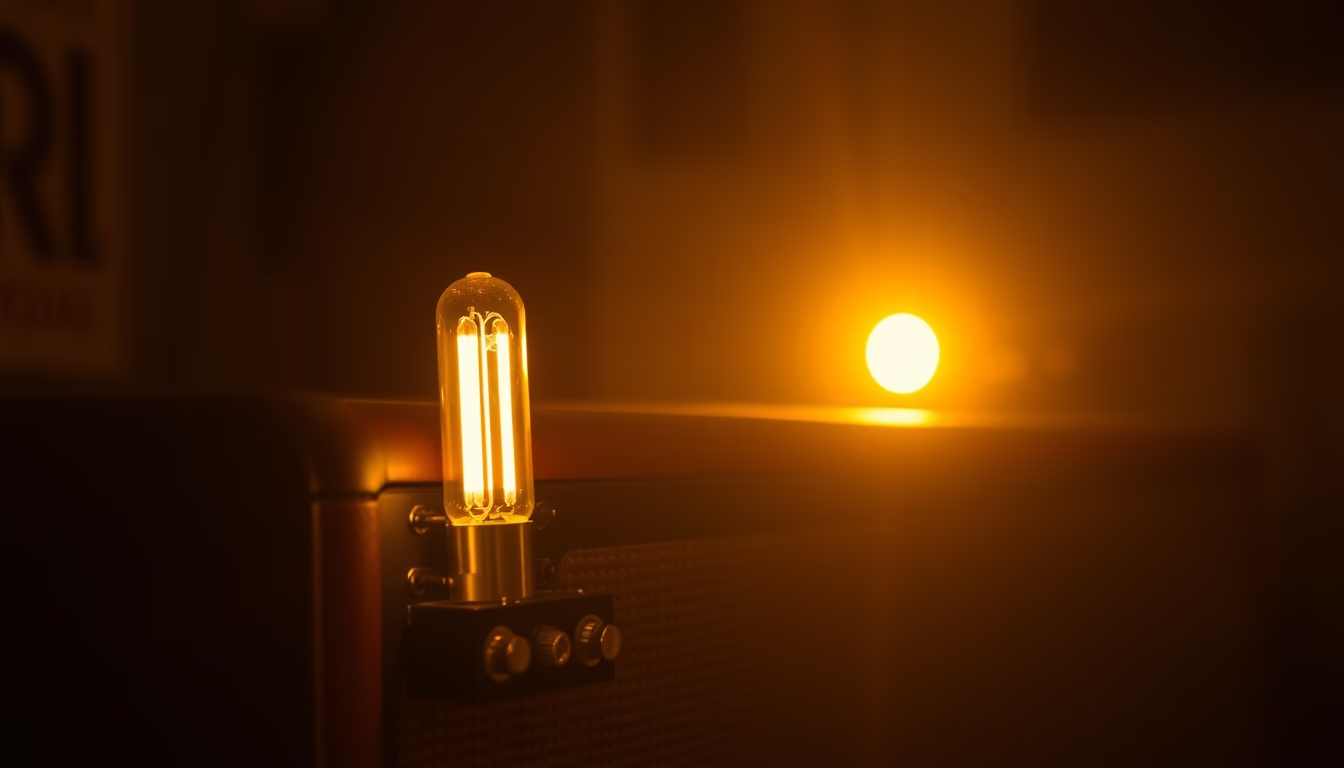
Tube amplifier glowing
1344×768 · AVIF · CC BY 4.0
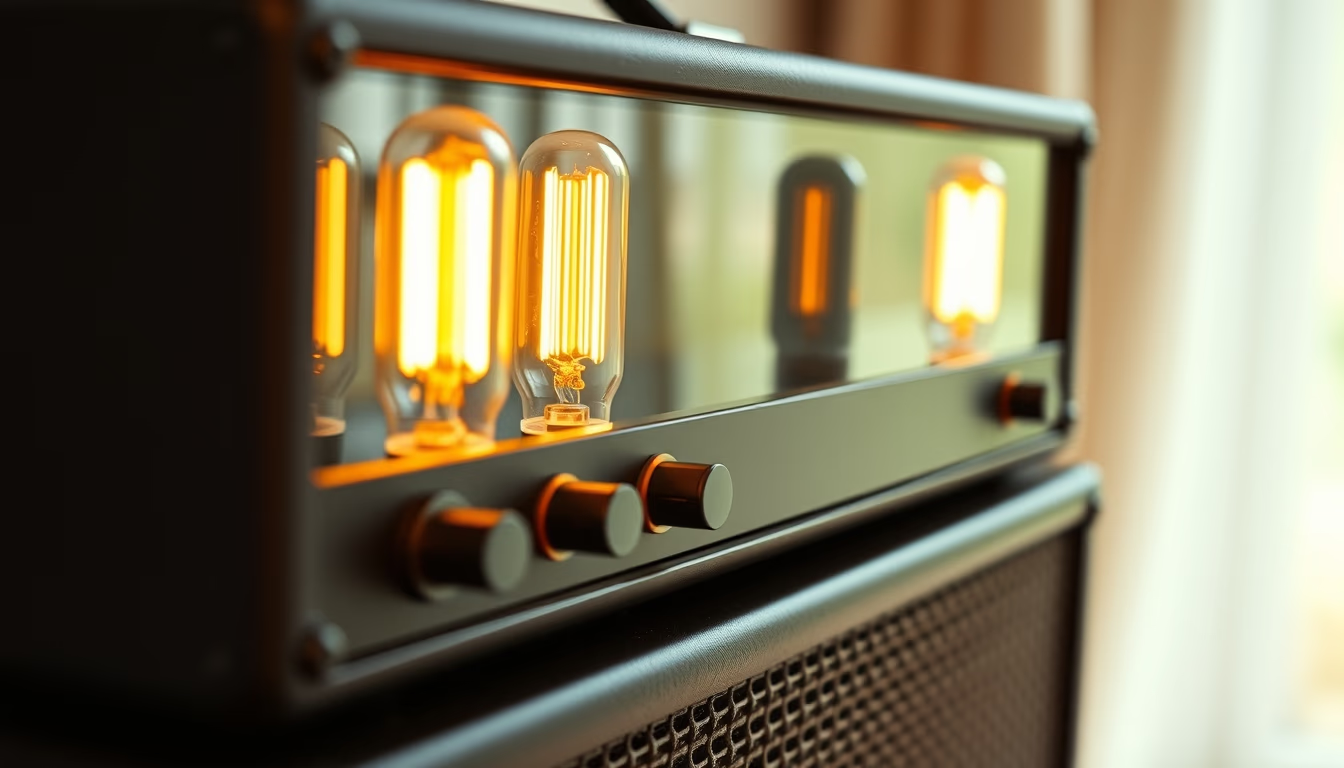
Tube amplifiers use vacuum tubes to amplify audio signals, prized for their warm sound and natural harmonic distortion.
About this subject
Tube amplifiers, also known as valve amplifiers, use vacuum tubes to amplify electrical signals. Invented in the early 20th century, these devices were the foundation of electronics until transistors became widespread. In a tube amplifier, a heated filament releases electrons that are controlled by grids to produce amplification. This process creates a unique sonic signature with predominantly even-order harmonic distortion, often described as warm and musical.
In music, tube amplifiers are iconic for electric guitars, essential in rock, blues, and jazz. Legendary models like the Fender Twin Reverb, Marshall Plexi, and Vox AC30 defined the sound of entire genres. In high-fidelity audio, tube amplifiers are prized by audiophiles for their smooth treble and natural compression. Despite being heavier, less efficient, and requiring periodic tube replacements, many musicians and audiophiles prefer their sound over solid-state alternatives.
Common tube types include the EL34, 6L6, and 12AX7, each offering distinct tonal characteristics. The soft clipping and dynamic response to playing dynamics make tube amps a staple in studios and on stage. Tube manufacturing involves artisanal techniques, with only a few factories globally still producing classic models. The signature orange glow of heated tubes is not just aesthetic; it indicates proper filament operation.
The resurgence of interest in tube amplifiers reflects a desire for analog warmth in a digital age. Whether in vintage radios, hi-fi systems, or guitar rigs, tube amplifiers continue to captivate with their combination of vintage charm and sonic performance. Their enduring popularity highlights the subjective nature of audio quality and the importance of harmonic richness in sound reproduction.
Frequently Asked Questions
Why do tube amplifiers sound warmer?
They produce primarily even-order harmonic distortion, which sounds more natural and musical, along with gentle compression at high volumes.
Are tube amplifiers better than solid-state ones?
Not objectively better, but they offer different sonic characteristics. Personal preference and use case (guitar, hi-fi) determine the choice.
What maintenance do tube amplifiers require?
Tubes need replacement every 1-3 years under heavy use. Capacitors and resistors should be checked, and overheating must be avoided.
Direct URL
https://pub-c7d6a6ea828543ac903a74a341ccb2e1.r2.dev/imagens/tube-amplifier-glowing-documentary-nature-style-fresh6.avifHow to credit
Include a visible link back to UtilizAí. Copy one of the snippets below:
<a href="https://xn--utiliza-eza.com/en/midia/imagens/tube-amplifier-glowing-documentary-nature-style-fresh6">Tube amplifier glowing</a> by <a href="https://xn--utiliza-eza.com">UtilizAí</a>, licensed under <a href="https://creativecommons.org/licenses/by/4.0/">CC BY 4.0</a>.
[Tube amplifier glowing](https://xn--utiliza-eza.com/en/midia/imagens/tube-amplifier-glowing-documentary-nature-style-fresh6) by [UtilizAí](https://xn--utiliza-eza.com), CC BY 4.0
License: CC-BY-4.0