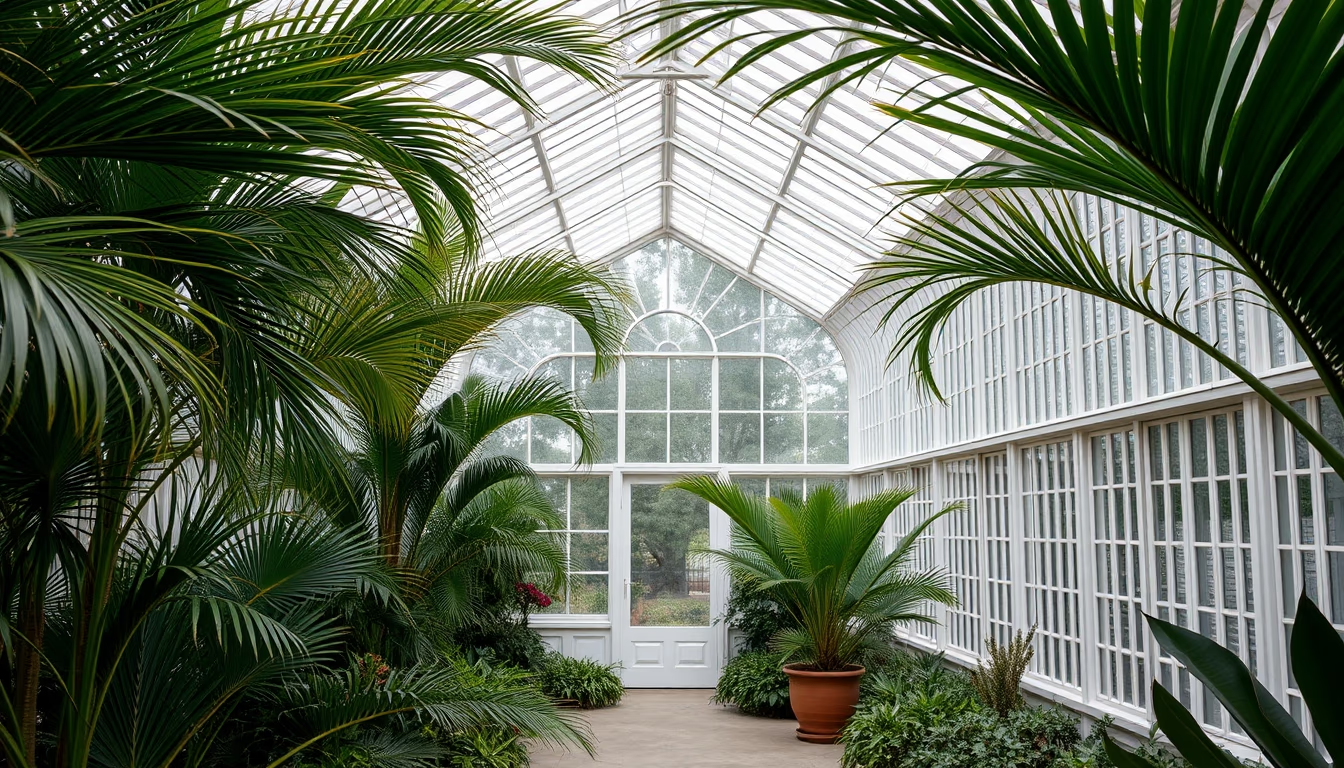
Tropical greenhouse misty
1344×768 · AVIF · CC BY 4.0
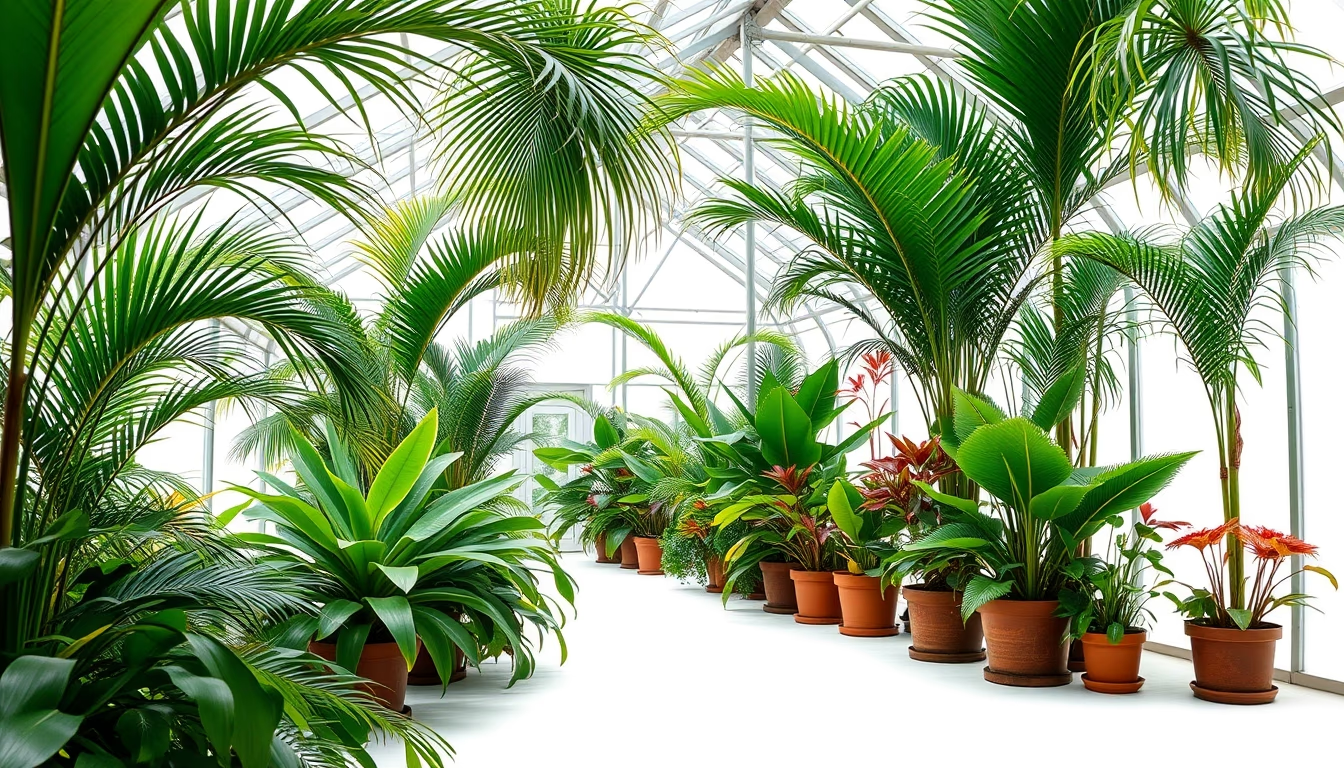
Tropical greenhouses with misting systems create ideal microclimates for exotic plants and high-value commercial crops.
About this subject
Tropical greenhouses are enclosed structures that mimic equatorial and tropical climates, maintaining high relative humidity (above 80%) and temperatures between 22 °C and 30 °C. They are vital for cultivating plants that require specific conditions, such as orchids, bromeliads, and ferns, as well as commercial crops like mushrooms and microgreens. Misting systems are a primary method to achieve these humidity levels, especially in dry climates or during winter months.
Misting systems can be high-pressure (over 70 bar) or low-pressure (up to 5 bar). High-pressure systems produce very fine droplets (5 to 10 microns) that evaporate quickly, cooling the air without overly wetting the plants. Low-pressure systems generate larger droplets, suitable for combined irrigation and humidification. Humidity and temperature sensors automate operation, ensuring precision and water savings. Studies show that misting can reduce water consumption by up to 40% compared to traditional sprinkler systems.
Commercially, tropical greenhouses are widely used for producing ornamental plants for export. In Brazil, states like São Paulo, Minas Gerais, and Rio Grande do Sul stand out in the cultivation of tropical flowers such as anthuriums and heliconias. The technique is also applied in nurseries, where misting accelerates rooting of cuttings and maintains seed viability. In countries like the Netherlands and Japan, automated tropical greenhouses produce food year-round, integrating solar panels to lower energy costs.
Interestingly, misting not only benefits plants but also creates a microclimate that favors biological pest control, as pathogenic fungi struggle to develop under constant, well-distributed humidity. Furthermore, the technique is used in botanical gardens and exhibitions to recreate natural habitats, such as the Amazon, aiding in the conservation of threatened species.
Frequently Asked Questions
Why is misting important in tropical greenhouses?
Misting maintains high humidity levels, crucial for tropical plants that cannot tolerate dry air, and also helps lower the internal temperature.
Which plants benefit from misty greenhouse conditions?
Orchids, bromeliads, ferns, mosses, and many ornamental foliage plants, as well as crops like mushrooms and microgreens.
How is misting technology controlled?
Humidity and temperature sensors automatically activate mist nozzles, ensuring stable conditions and water efficiency.
Direct URL
https://pub-c7d6a6ea828543ac903a74a341ccb2e1.r2.dev/imagens/tropical-greenhouse-misty-commercial-product-photography-fresh3.avifHow to credit
Include a visible link back to UtilizAí. Copy one of the snippets below:
<a href="https://xn--utiliza-eza.com/en/midia/imagens/tropical-greenhouse-misty-commercial-product-photography-fresh3">Tropical greenhouse misty</a> by <a href="https://xn--utiliza-eza.com">UtilizAí</a>, licensed under <a href="https://creativecommons.org/licenses/by/4.0/">CC BY 4.0</a>.
[Tropical greenhouse misty](https://xn--utiliza-eza.com/en/midia/imagens/tropical-greenhouse-misty-commercial-product-photography-fresh3) by [UtilizAí](https://xn--utiliza-eza.com), CC BY 4.0
License: CC-BY-4.0