Tropical beach with palm trees aerial
1344×768 · AVIF · CC BY 4.0
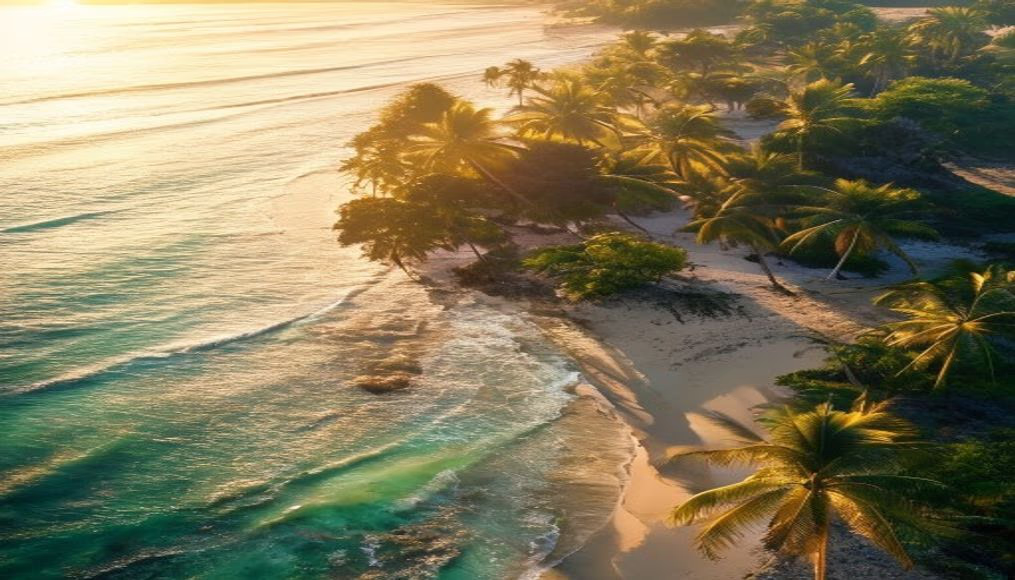
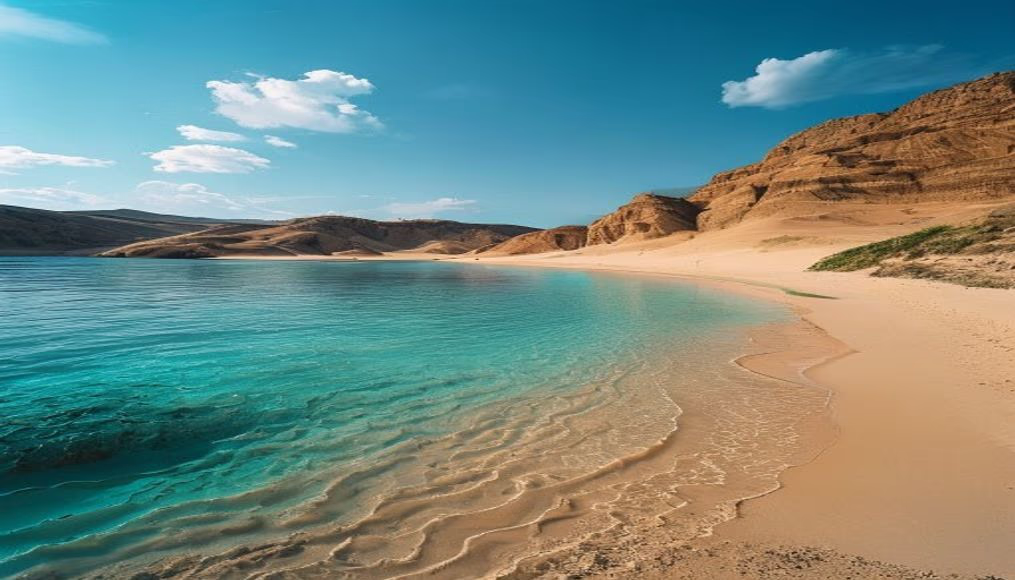
Aerial views of tropical beaches with palm trees showcase the natural beauty of coastlines, featuring crystal-clear waters and white sand.
About this subject
Tropical beaches are coastal ecosystems found in warm climate regions, such as northeastern Brazil, the Caribbean, and Southeast Asia. They feature warm waters, fine sand, and vegetation adapted to high salinity and sunlight. Coconut palms (Cocos nucifera) are iconic symbols of these landscapes, as their deep roots prevent erosion and their fruits provide food and shade. The presence of these palms results from centuries of natural dispersal and human cultivation, playing a key role in local economies, especially tourism.
Aerial photography of tropical beaches has gained prominence with drones, enabling angles that highlight wave geometry, the transition between sand and sea, and palm tree arrangement. This perspective reveals patterns not visible at ground level, such as submerged reefs and sandbanks. In Brazil, destinations like Porto de Galinhas (PE) and Jericoacoara (CE) are often captured from above to promote ecotourism.
Beyond visual appeal, tropical beaches play a crucial ecological role. Palm groves harbor seabirds, crustaceans, and small reptiles, while dunes and restinga vegetation protect the coastline from storms. Uncontrolled urbanization threatens these environments, but conservation projects encourage native species planting and sustainable tourism, ensuring future generations can enjoy these landscapes.
For those aiming to photograph tropical beaches from above, using a polarizing filter to reduce water reflections and shooting near sunrise or sunset, when light is softer and shadows enhance topography, is recommended. Respecting local wildlife and avoiding flights over bird nests are essential for responsible documentation.
Frequently Asked Questions
What are the best tropical beaches in Brazil for aerial photography?
Top choices include Porto de Galinhas (PE), known for its natural pools; Jericoacoara (CE), with dunes and lagoons; and Fernando de Noronha (PE), featuring crystal-clear waters and abundant marine life. Dawn and dusk light enhances colors.
Why are coconut palms so common on tropical beaches?
Coconut palms are adapted to sandy, saline soils and strong winds. Their deep roots stabilize the sand, preventing erosion. Their fruits are dispersed by ocean currents, facilitating colonization of new shores.
What environmental precautions should be taken when photographing beaches with drones?
Avoid flying over coastal bird nests, keep distance from marine animals like turtles, and do not disturb restinga vegetation. Check local drone regulations and prefer times with less tourist traffic.
Direct URL
https://pub-c7d6a6ea828543ac903a74a341ccb2e1.r2.dev/imagens/tropical-beach-with-palm-trees-aerial-travel-photography-v10.avifHow to credit
Include a visible link back to UtilizAí. Copy one of the snippets below:
<a href="https://xn--utiliza-eza.com/en/midia/imagens/tropical-beach-with-palm-trees-aerial-travel-photography-v10">Tropical beach with palm trees aerial</a> by <a href="https://xn--utiliza-eza.com">UtilizAí</a>, licensed under <a href="https://creativecommons.org/licenses/by/4.0/">CC BY 4.0</a>.
[Tropical beach with palm trees aerial](https://xn--utiliza-eza.com/en/midia/imagens/tropical-beach-with-palm-trees-aerial-travel-photography-v10) by [UtilizAí](https://xn--utiliza-eza.com), CC BY 4.0
License: CC-BY-4.0