Tropical beach with palm trees aerial
1344×768 · AVIF · CC BY 4.0
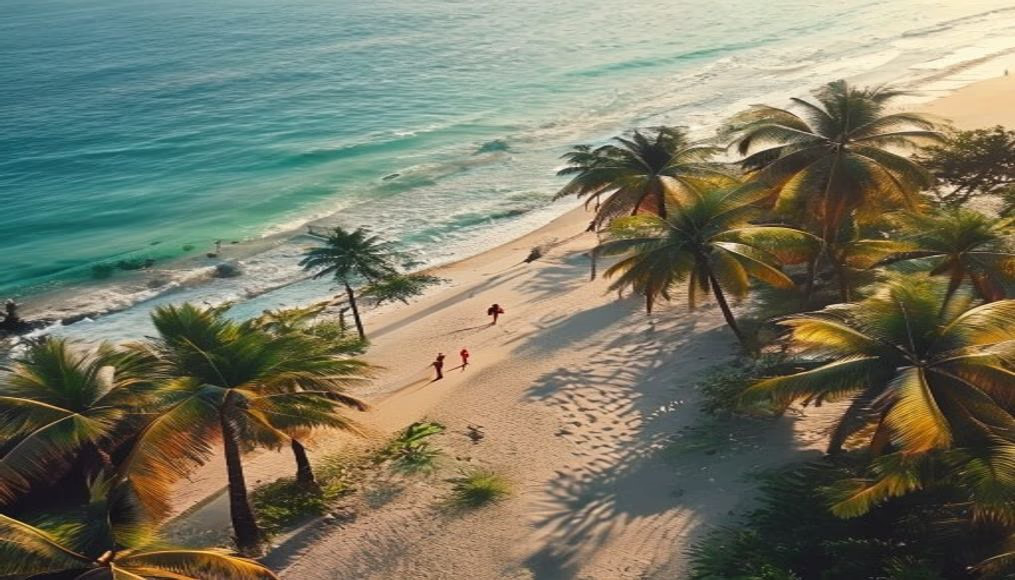
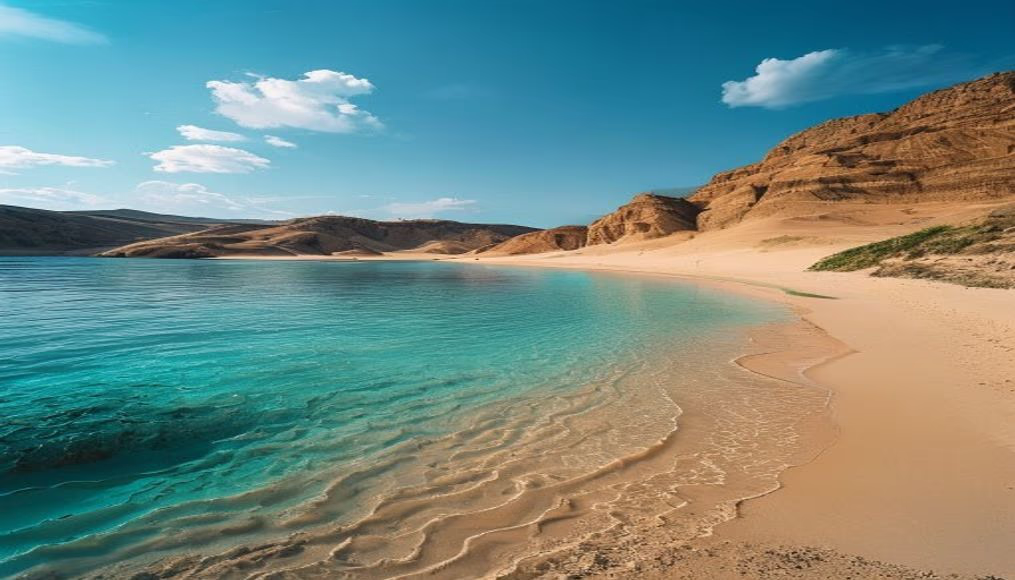
Aerial view of a tropical beach with palm trees lining the shore, showing the transition between white sand, turquoise water, and coastal vegetation.
About this subject
Tropical beaches with palm trees are one of the most iconic scenes in global tourism. In Brazil, this landscape is especially common in the Northeast, where coconut palms were introduced by the Portuguese in the 16th century and adapted perfectly to the hot, humid climate. Today, coconut groves stretch for miles in destinations such as Praia do Futuro (Ceará), Porto de Galinhas (Pernambuco), and the Costa do Dendê (Bahia). The most widespread species is the coconut palm (Cocos nucifera), which not only beautifies the coastline but also stabilizes dunes, provides shade, and offers water and fruit for locals and visitors.
Ecologically, these palm groves form a transition zone between the sea and the restinga ecosystem, sheltering small animals and protecting the soil from erosion. The aerial view reveals the natural geometry of the palms, often planted in rows for easier coconut harvesting. Economically, coconut cultivation is significant: Brazil is the world's fourth largest producer, with the Northeast region leading. Tourists are drawn by the chromatic contrast between white sand, turquoise-green water, and the deep green of the fronds.
However, uncontrolled urbanization threatens these ecosystems. The spread of condos and hotels along the shoreline reduces native palm coverage and impairs natural drainage. Preservation initiatives like the federal Projeto Orla aim to balance tourism development with conservation. An aerial view of a tropical beach with palm trees is thus both an invitation to admire nature and a reminder of the need for sustainable stewardship.
Frequently Asked Questions
Why are palm trees so common on tropical beaches?
Coconut palms (Cocos nucifera) thrive in sandy, saline, and windy conditions typical of tropical coasts. They were spread by humans and ocean currents over millennia, becoming a global symbol of the tropics. In Brazil, they were introduced by the Portuguese in the 16th century.
Which are the main palm-tree beaches in Brazil?
Top examples include Porto de Galinhas (Pernambuco), Praia do Futuro (Ceará), Costa do Sauípe (Bahia), Jericoacoara (Ceará), and Praia da Pipa (Rio Grande do Norte). All feature long rows of coconut palms lining the shore with tourist infrastructure.
Is the white sand and blue sea in the aerial view natural or influenced by humans?
The light sand is naturally composed of shell and coral fragments, typical of many tropical beaches. The turquoise water results from shallow depth and plankton. However, the neat rows of palm trees are often planted for agriculture and tourism, not purely natural.
Direct URL
https://pub-c7d6a6ea828543ac903a74a341ccb2e1.r2.dev/imagens/tropical-beach-with-palm-trees-aerial-street-photography-v11.avifHow to credit
Include a visible link back to UtilizAí. Copy one of the snippets below:
<a href="https://xn--utiliza-eza.com/en/midia/imagens/tropical-beach-with-palm-trees-aerial-street-photography-v11">Tropical beach with palm trees aerial</a> by <a href="https://xn--utiliza-eza.com">UtilizAí</a>, licensed under <a href="https://creativecommons.org/licenses/by/4.0/">CC BY 4.0</a>.
[Tropical beach with palm trees aerial](https://xn--utiliza-eza.com/en/midia/imagens/tropical-beach-with-palm-trees-aerial-street-photography-v11) by [UtilizAí](https://xn--utiliza-eza.com), CC BY 4.0
License: CC-BY-4.0