Tropical beach paradise crystal clear water and palm trees
1344×768 · AVIF · CC BY 4.0
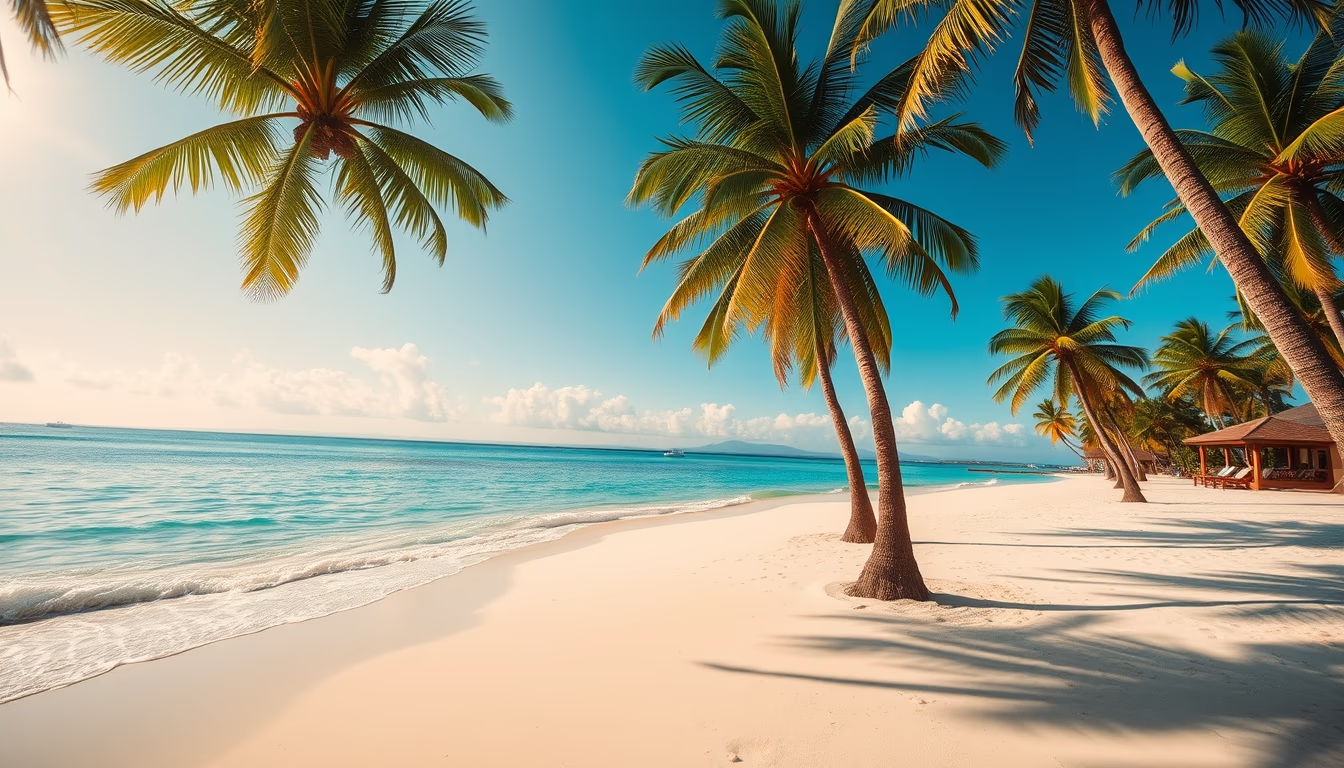
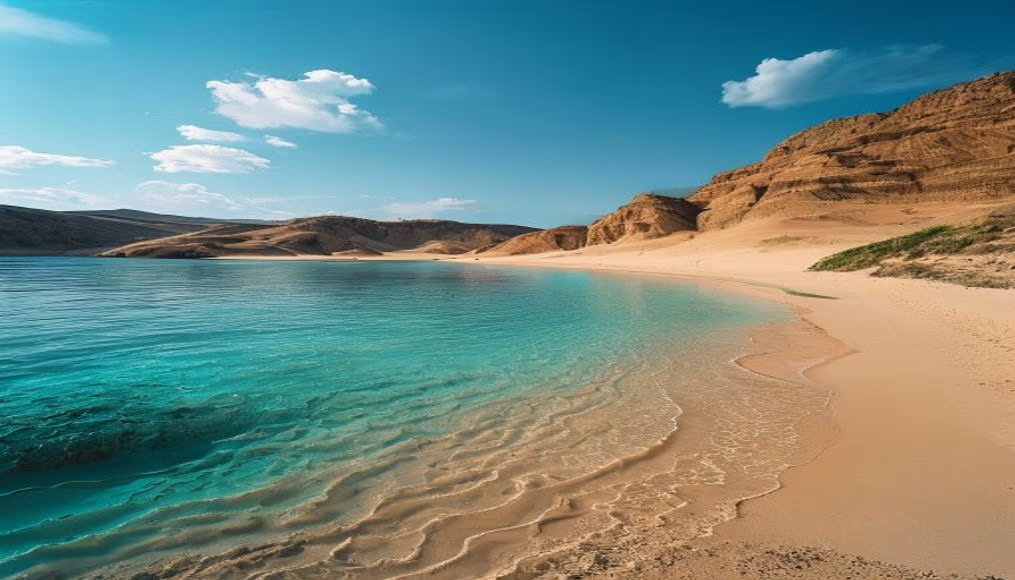
Tropical beaches with crystal clear waters and palm trees are global tourism icons, especially in Northeast Brazil.
About this subject
Tropical beaches with white sand, crystal clear waters, and leaning palm trees represent the pinnacle of global tourism imagery. In Brazil, the northeastern coastline concentrates some of the most iconic examples, such as Sancho Beach (Fernando de Noronha) and Jericoacoara Beach (Ceará), frequently voted among the best in the world. These landscapes are shaped by coral or sandstone reefs that protect the coast, creating natural pools of calm, transparent water ideal for swimming and snorkeling.
The presence of palm trees, especially coconut palms (Cocos nucifera), is not merely aesthetic. Introduced to Brazil by the Portuguese in the 16th century, they adapted perfectly to the tropical climate and are now an inseparable part of the coastal landscape. Besides providing shade and fruit, their roots help stabilize sand and prevent erosion. Coconut water is a symbol of Brazilian summer, consumed fresh or in typical recipes.
Midday light, with the sun overhead, enhances contrasting colors: turquoise water, white sand, and green palm fronds. This time benefits underwater photography due to greater light penetration, revealing colorful fish and corals. However, sun exposure requires precautions: sunscreen, hats, and constant hydration are essential.
Ecologically, these beaches harbor fragile ecosystems. Adjacent restinga and mangrove forests serve as nurseries for marine species and protect the coast from storms. Uncontrolled tourism can threaten these environments, but conservation initiatives like Environmental Protection Areas (APAs) seek to balance leisure and preservation. Visiting a tropical beach is experiencing a natural heritage that combines beauty, biodiversity, and culture.
Frequently Asked Questions
What is the best time to visit tropical beaches in Northeast Brazil?
The best time is between August and December, when the weather is drier and sunny. Avoid April to July, which are rainier.
What causes the crystal clear water color on these beaches?
The clarity results from low suspended sediment, combined with white sand (calcium carbonate) and reefs that filter particles.
Are the palm trees on the beaches native to Brazil?
No. The coconut palm (Cocos nucifera) was introduced by the Portuguese and became naturalized. Native palms like juçara and imperial palm are less common along the shore.
Direct URL
https://pub-c7d6a6ea828543ac903a74a341ccb2e1.r2.dev/imagens/tropical-beach-paradise-crystal-clear-water-and-palm-trees-symmetric-composition-bright-midday-sun.avifHow to credit
Include a visible link back to UtilizAí. Copy one of the snippets below:
<a href="https://xn--utiliza-eza.com/en/midia/imagens/tropical-beach-paradise-crystal-clear-water-and-palm-trees-symmetric-composition-bright-midday-sun">Tropical beach paradise crystal clear water and palm trees</a> by <a href="https://xn--utiliza-eza.com">UtilizAí</a>, licensed under <a href="https://creativecommons.org/licenses/by/4.0/">CC BY 4.0</a>.
[Tropical beach paradise crystal clear water and palm trees](https://xn--utiliza-eza.com/en/midia/imagens/tropical-beach-paradise-crystal-clear-water-and-palm-trees-symmetric-composition-bright-midday-sun) by [UtilizAí](https://xn--utiliza-eza.com), CC BY 4.0
License: CC-BY-4.0