Trombone slide closeup
1344×768 · AVIF · CC BY 4.0
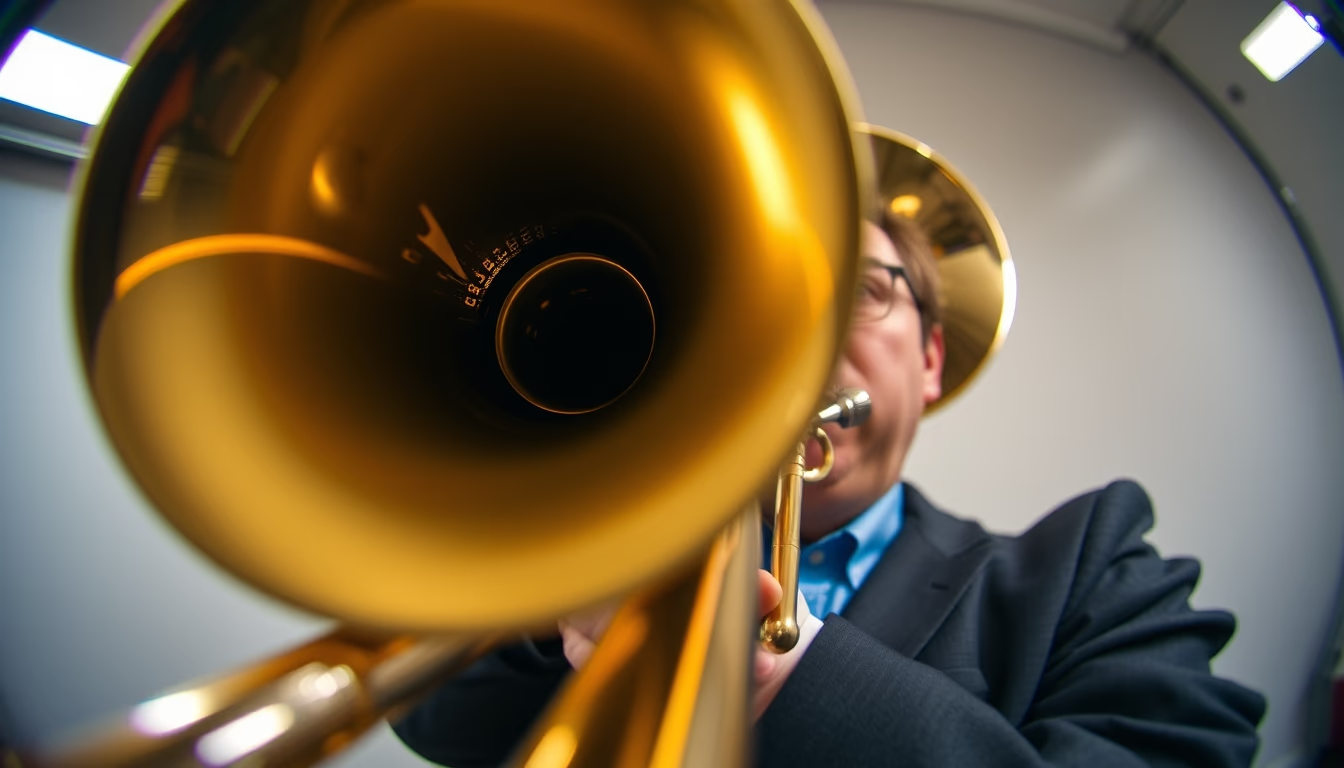
The trombone slide, with its precise engineering of chrome-plated tubes and bumpers, is the heart that allows the musician glissandos and instant pitch changes.
About this subject
The trombone stands out among brass instruments for its slide mechanism, a double-tube system that changes the length of the air column to produce different pitches. Unlike valve brass, the slide enables seamless pitch transitions, known as glissandos, and demands a well-trained ear to land each note in tune. The slide construction is intricate: two sets of tubes, the outer slide and inner slide, glide over each other. The ends of the inner slide are flared into 'elephant feet' to reduce friction and seal the air column. Brass is the primary material, with inner tubes often chrome-plated for durability and smooth action. Small rubber or felt bumpers cushion the contact at the slide's end stops. Historically, the trombone evolved from the Renaissance sackbut (15th century), used in sacred music and European courts. In Brazil, it became a staple in choro, samba, and frevo bands, delivering fast melodic lines. In classical music, it anchors the symphonic brass section, while jazz celebrated slide masters like J.J. Johnson and Tommy Dorsey. A technical curiosity: the trombone slide has seven positions, but they vary slightly between instruments and with tuning, and each note requires micro-adjustments of the embouchure and slide. Proper maintenance is vital: specific lubricants and regular cleaning prevent sticking and buzzing. Modern trombones may feature a rotary valve on the slide, called an attachment or trigger, which diverts air through extra tubing, expanding the lower register. This is common on bass trombones and tenor trombones with an F attachment.
Frequently Asked Questions
How does the trombone slide work?
The trombone slide is a two-section telescoping tube mechanism. Moving the slide outward lengthens the air path, lowering the pitch; pulling it inward raises the pitch. The player combines slide position with lip vibration to achieve the correct note.
What is the difference between a slide trombone and a valve trombone?
A slide trombone uses a movable slide to change pitch, allowing continuous glissandos. A valve trombone uses three or four piston valves to redirect air through extra tubing, similar to other brass instruments, and is often found in jazz or bass trombones for faster passages.
Why does the trombone slide need lubrication?
Lubrication reduces friction between the inner and outer slide tubes, ensuring smooth, noiseless movement. Specific products like slide oil or cream also protect against corrosion and wear, making regular lubrication essential for instrument maintenance.
Direct URL
https://pub-c7d6a6ea828543ac903a74a341ccb2e1.r2.dev/imagens/trombone-slide-closeup-fish-eye-wide-angle-p10.avifHow to credit
Include a visible link back to UtilizAí. Copy one of the snippets below:
<a href="https://xn--utiliza-eza.com/en/midia/imagens/trombone-slide-closeup-fish-eye-wide-angle-p10">Trombone slide closeup</a> by <a href="https://xn--utiliza-eza.com">UtilizAí</a>, licensed under <a href="https://creativecommons.org/licenses/by/4.0/">CC BY 4.0</a>.
[Trombone slide closeup](https://xn--utiliza-eza.com/en/midia/imagens/trombone-slide-closeup-fish-eye-wide-angle-p10) by [UtilizAí](https://xn--utiliza-eza.com), CC BY 4.0
License: CC-BY-4.0