Tokyo neon street at night
1344×768 · AVIF · CC BY 4.0
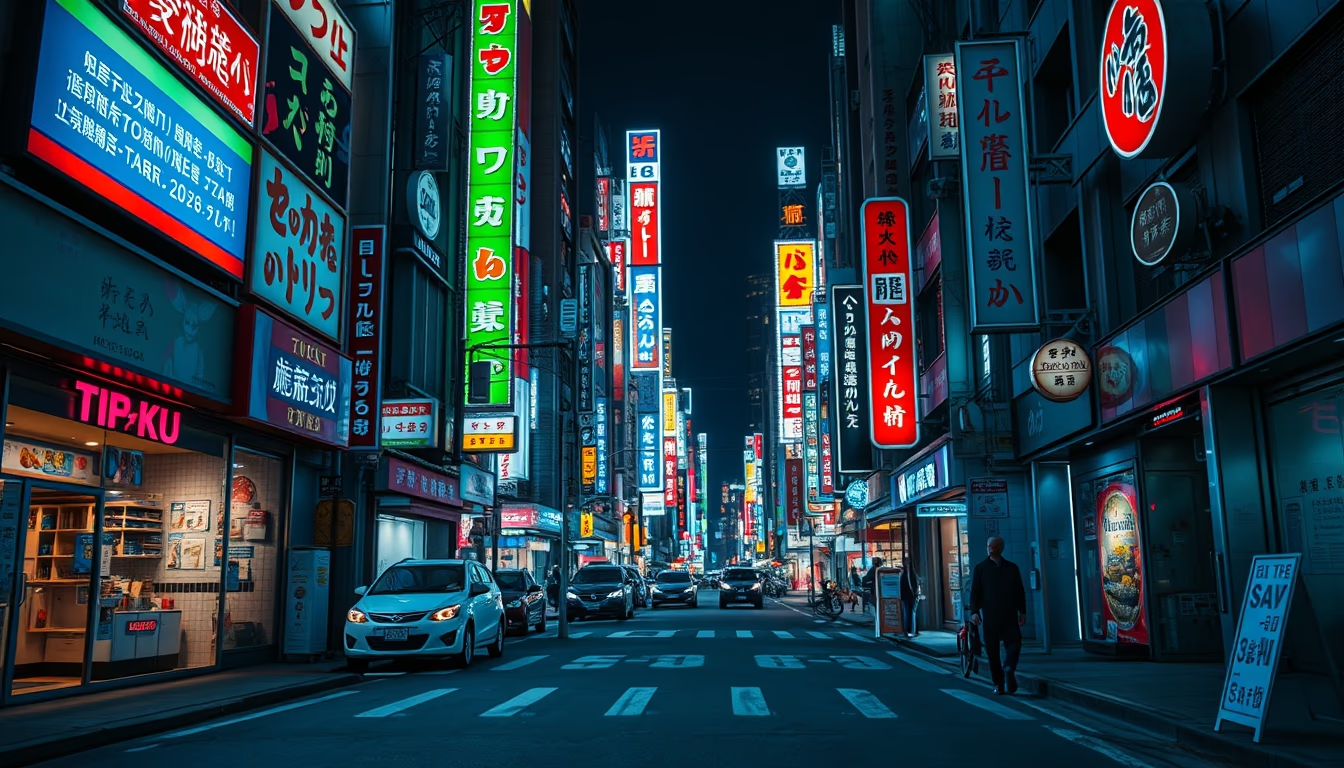
Tokyo, Japan's capital, is renowned for its vibrant neon-lit streets, especially in the Shinjuku and Shibuya districts.
About this subject
Tokyo's nighttime streets are an iconic visual spectacle, with neon signs that transform the urban landscape into a kaleidoscope of lights and colors. Districts like Shinjuku, Shibuya, and Akihabara are epicenters of this luminous culture, attracting tourists and photographers from around the world. The widespread use of neon in Tokyo dates back to the post-war era, when the city was rebuilding and adopting Western influences. Illuminated signs are more than just advertising; they are an integral part of the city's visual identity, creating a unique atmosphere that blends tradition and modernity.
In Shinjuku, the area around the railway station is a maze of narrow alleys packed with bars, restaurants, and shops, all vying for attention with giant signs. The famous Shibuya Crossing, often called the "Scramble Crossing," is one of the most photographed spots globally, especially at night when neon lights and LED panels illuminate. Interestingly, Tokyo has specific regulations for light pollution, but commercial districts have special allowances to maintain this vibrant aesthetic.
Akihabara, known as the electronics district, takes neon to another level with signs advertising tech products, anime, and games. The otaku culture is reflected in the loud colors and styles reminiscent of Japanese pop culture. Moreover, many signs now use modern LED technology, but traditional neon is still valued for its warm, nostalgic glow. Tokyo's night lighting is not just a tourist attraction; it influences urban design, fashion, and even music, inspiring generations of artists and filmmakers who strive to capture this unique energy.
Frequently Asked Questions
Which is the best neighborhood to see neon lights in Tokyo?
The most famous districts are Shinjuku, Shibuya, and Akihabara. Shinjuku features giant signs and a cosmopolitan vibe, Shibuya is known for its busy crossing, and Akihabara focuses on electronics and pop culture.
Are all neon signs in Tokyo made with LED technology?
Not necessarily. While many modern signs use LED for energy efficiency and durability, traditional neon is still common, especially in older establishments, and is valued for its soft, nostalgic glow.
Are there regulations on nighttime lighting in Tokyo?
Yes, there are light pollution laws, but commercial districts in Tokyo have special permissions to maintain high light intensity, ensuring the vibrant aesthetic without major inconvenience to residents.
Direct URL
https://pub-c7d6a6ea828543ac903a74a341ccb2e1.r2.dev/imagens/tokyo-neon-street-at-night-commercial-product-photography-v9.avifHow to credit
Include a visible link back to UtilizAí. Copy one of the snippets below:
<a href="https://xn--utiliza-eza.com/en/midia/imagens/tokyo-neon-street-at-night-commercial-product-photography-v9">Tokyo neon street at night</a> by <a href="https://xn--utiliza-eza.com">UtilizAí</a>, licensed under <a href="https://creativecommons.org/licenses/by/4.0/">CC BY 4.0</a>.
[Tokyo neon street at night](https://xn--utiliza-eza.com/en/midia/imagens/tokyo-neon-street-at-night-commercial-product-photography-v9) by [UtilizAí](https://xn--utiliza-eza.com), CC BY 4.0
License: CC-BY-4.0