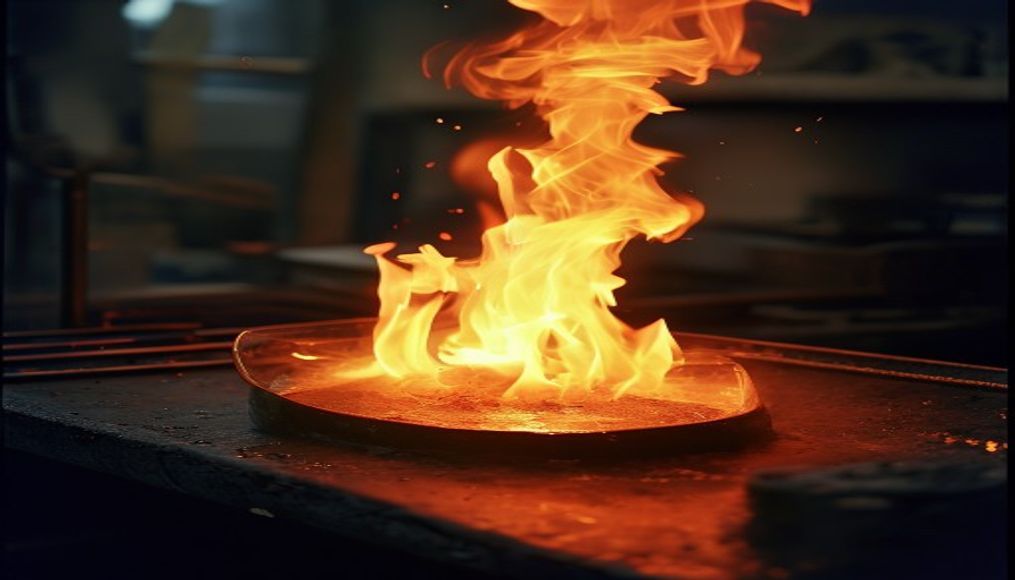
Tissue culture biology lab
1344×768 · AVIF · CC BY 4.0

Tissue culture biology lab: controlled environment for growing plant or animal cells and tissues, essential for biotechnological research.
About this subject
Tissue culture is a technique that allows the growth of cells, tissues, or organs under sterile and controlled conditions, outside the original organism. It is widely used in plant biology for clonal propagation, virus-free plant production, and conservation of endangered species. It is also essential in regenerative medicine and vaccine production.
The process requires specialized infrastructure: laminar flow hoods, incubators with temperature, humidity, and CO2 control, as well as culture media containing nutrients, hormones, and vitamins. Sterility is critical to prevent contamination. For plants, explants (tissue fragments) are cultured on agar with growth regulators such as auxins and cytokinins.
Plant tissue culture revolutionized agriculture: it enables rapid multiplication of elite plants, production of secondary metabolites, and genetic transformation. In the animal field, techniques like stem cell culture and organoids open avenues for drug testing and disease studies without animal use.
A historical milestone was the discovery of cell totipotency by Steward and colleagues in the 1950s, showing that carrot cells could regenerate entire plants. Since then, the technique has evolved to bioreactors and 3D cultures, increasing complexity and applicability.
Frequently Asked Questions
What is tissue culture?
It is a laboratory technique that grows cells, tissues, or organs under sterile and controlled conditions, outside the organism of origin, for research, propagation, or production.
What are the applications of plant tissue culture?
Clonal propagation of plants, production of virus-free plants, conservation of endangered species, genetic improvement, and production of secondary metabolites for pharmaceutical use.
How is sterility maintained in a tissue culture lab?
By using laminar flow hoods, autoclaves to sterilize materials, autoclaved or filtered culture media, and strict aseptic procedures such as wearing sterile gloves and lab coats.
Direct URL
https://pub-c7d6a6ea828543ac903a74a341ccb2e1.r2.dev/imagens/tissue-culture-biology-lab-lo-fi-disposable-camera-p1.avifHow to credit
Include a visible link back to UtilizAí. Copy one of the snippets below:
<a href="https://xn--utiliza-eza.com/en/midia/imagens/tissue-culture-biology-lab-lo-fi-disposable-camera-p1">Tissue culture biology lab</a> by <a href="https://xn--utiliza-eza.com">UtilizAí</a>, licensed under <a href="https://creativecommons.org/licenses/by/4.0/">CC BY 4.0</a>.
[Tissue culture biology lab](https://xn--utiliza-eza.com/en/midia/imagens/tissue-culture-biology-lab-lo-fi-disposable-camera-p1) by [UtilizAí](https://xn--utiliza-eza.com), CC BY 4.0
License: CC-BY-4.0