Times square neon
1344×768 · AVIF · CC BY 4.0
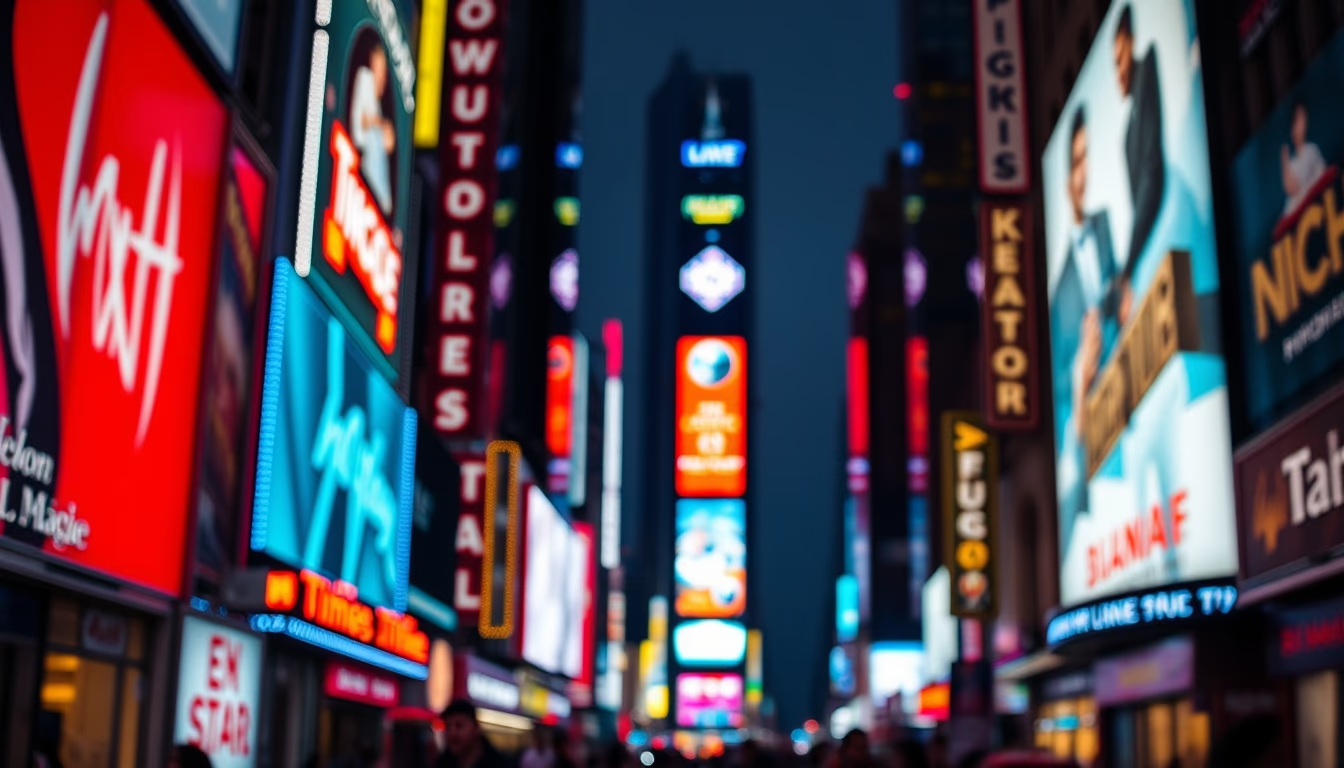
The neon signs of Times Square transformed downtown New York into a global luminous icon, a symbol of energy and consumption.
About this subject
Times Square, located in the heart of Manhattan, is globally renowned for its massive illuminated signs, which have become a landmark of pop culture and urban architecture. The history of signs in Times Square dates back to the early 20th century, when the first electric lights were installed to attract passersby. In 1923, Claude Neon introduced the first neon gas sign in the United States, and Times Square soon became an open-air laboratory for luminous advertising.
During the Golden Age of neon, from the 1930s to the 1960s, signs like those of The New York Times newspaper, which gave the square its name, and the famous Coca-Cola advertisement dominated the landscape. Neon technology allowed for curves and vibrant colors, creating true commercial artworks. With technological advancement, signs evolved to LED displays and high-definition digital screens, now covering entire facades. Still, traditional neon survives in a few spots, preserving vintage charm.
Culturally, Times Square signs represent the excess and vitality of the city that never sleeps. They serve as stages for New Year's celebrations, protests, and media events. In 1998, New York City established regulations ensuring signs remain an essential part of the area's identity, requiring new developments to include luminous displays. Today, the square is estimated to consume as much electricity as a medium-sized city, but energy-efficiency initiatives aim to reduce this impact.
Macro close-ups of the signs reveal the technical complexity behind each glass tube and gas. Each color requires a specific combination of noble gases (neon, argon, helium) and phosphors. Artists and designers still use neon in contemporary installations, keeping alive this tradition that began nearly a century ago.
Frequently Asked Questions
What was the first neon sign installed in Times Square?
The first neon gas sign in Times Square was installed in 1923 by the Claude Neon company, marking the beginning of the era of illuminated advertisements in the area.
Why is Times Square famous for its signs?
Times Square became the center of luminous advertising in New York due to the high concentration of theaters and shops competing for public attention with flashy lights, creating an iconic nighttime landscape.
Do Times Square signs consume a lot of energy?
Yes, the signs consume a significant amount of energy, comparable to that of a medium-sized city, but recent regulations encourage the use of more efficient technologies such as LEDs.
Direct URL
https://pub-c7d6a6ea828543ac903a74a341ccb2e1.r2.dev/imagens/times-square-neon-macro-closeup-p3.avifHow to credit
Include a visible link back to UtilizAí. Copy one of the snippets below:
<a href="https://xn--utiliza-eza.com/en/midia/imagens/times-square-neon-macro-closeup-p3">Times square neon</a> by <a href="https://xn--utiliza-eza.com">UtilizAí</a>, licensed under <a href="https://creativecommons.org/licenses/by/4.0/">CC BY 4.0</a>.
[Times square neon](https://xn--utiliza-eza.com/en/midia/imagens/times-square-neon-macro-closeup-p3) by [UtilizAí](https://xn--utiliza-eza.com), CC BY 4.0
License: CC-BY-4.0