Thermopylae greek pass
1344×768 · AVIF · CC BY 4.0

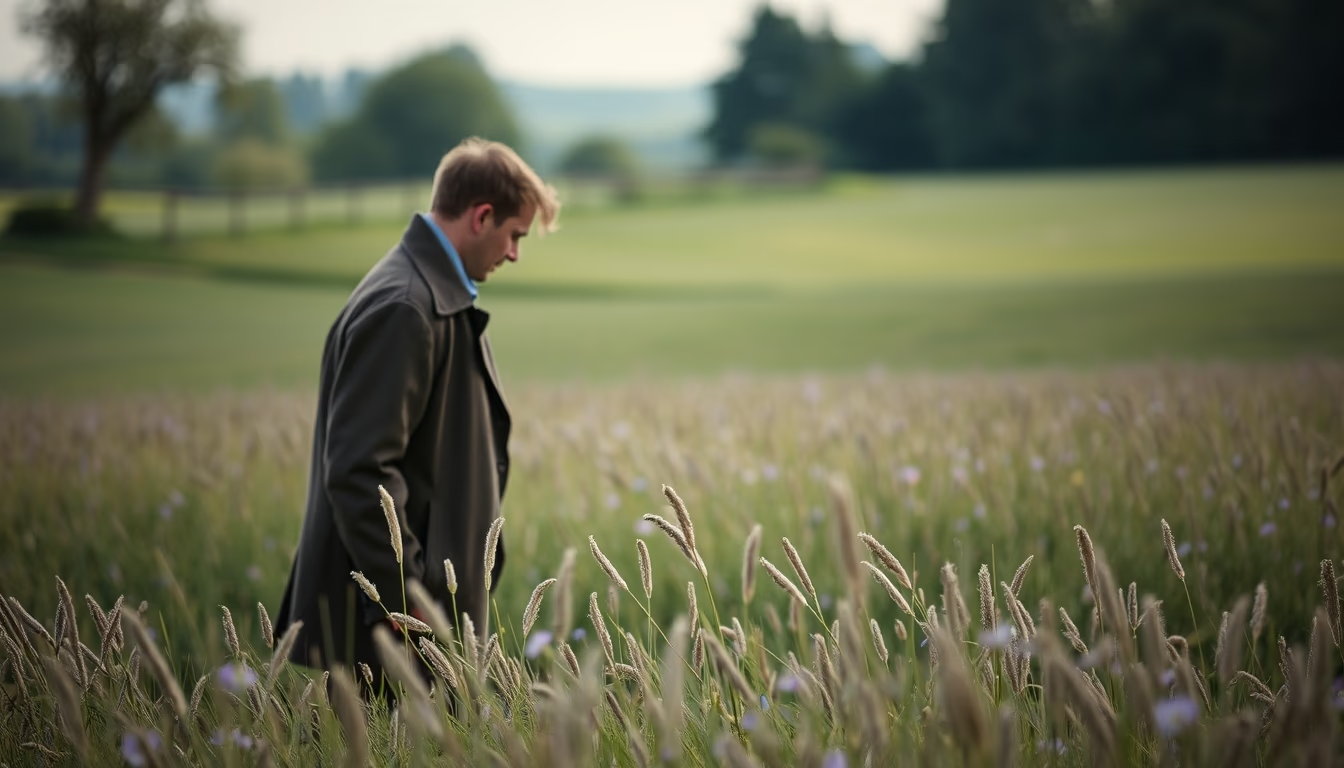
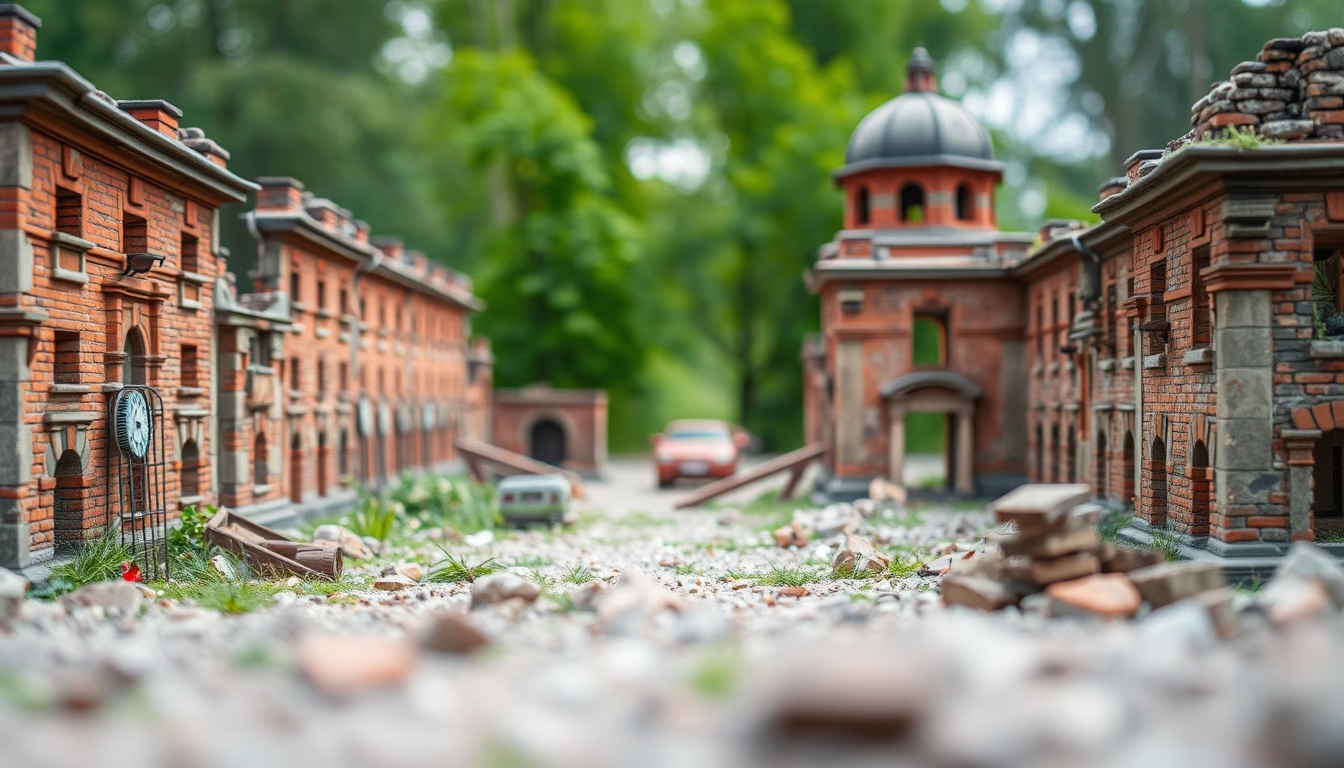
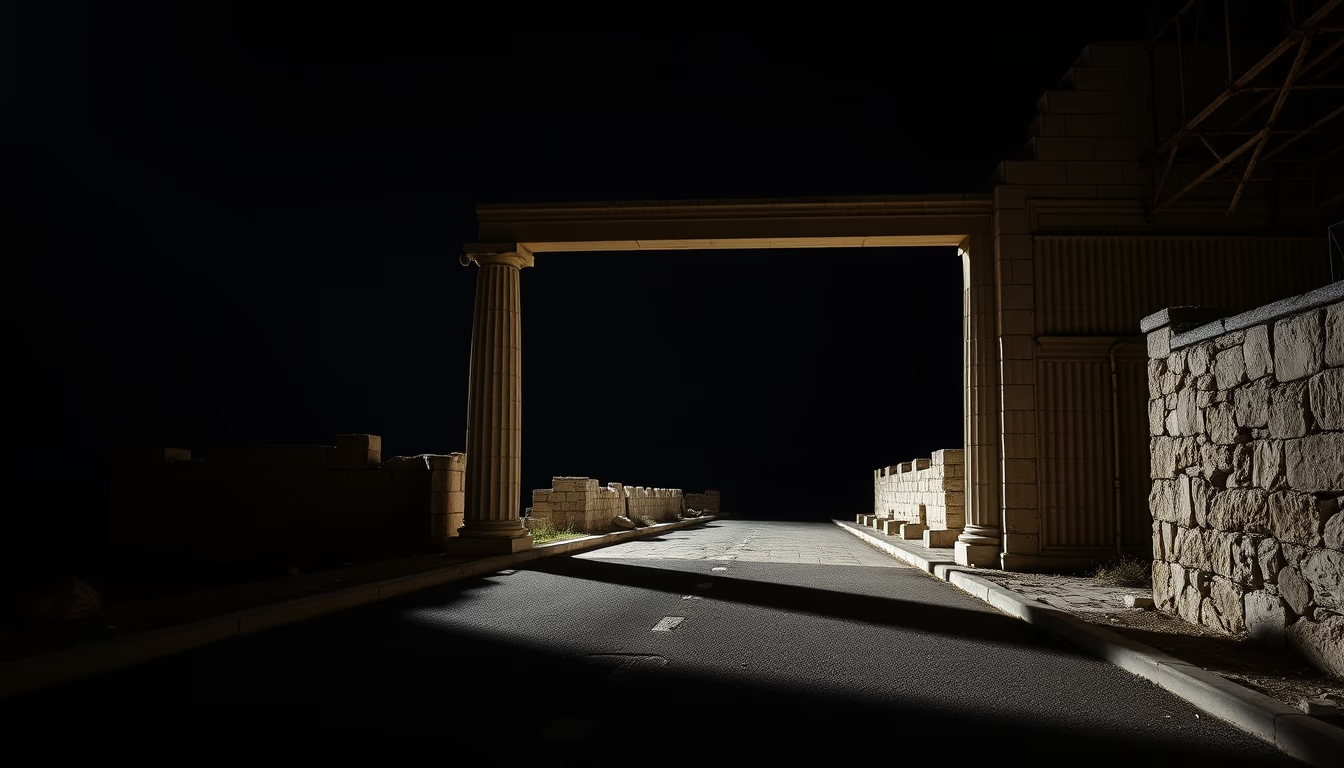
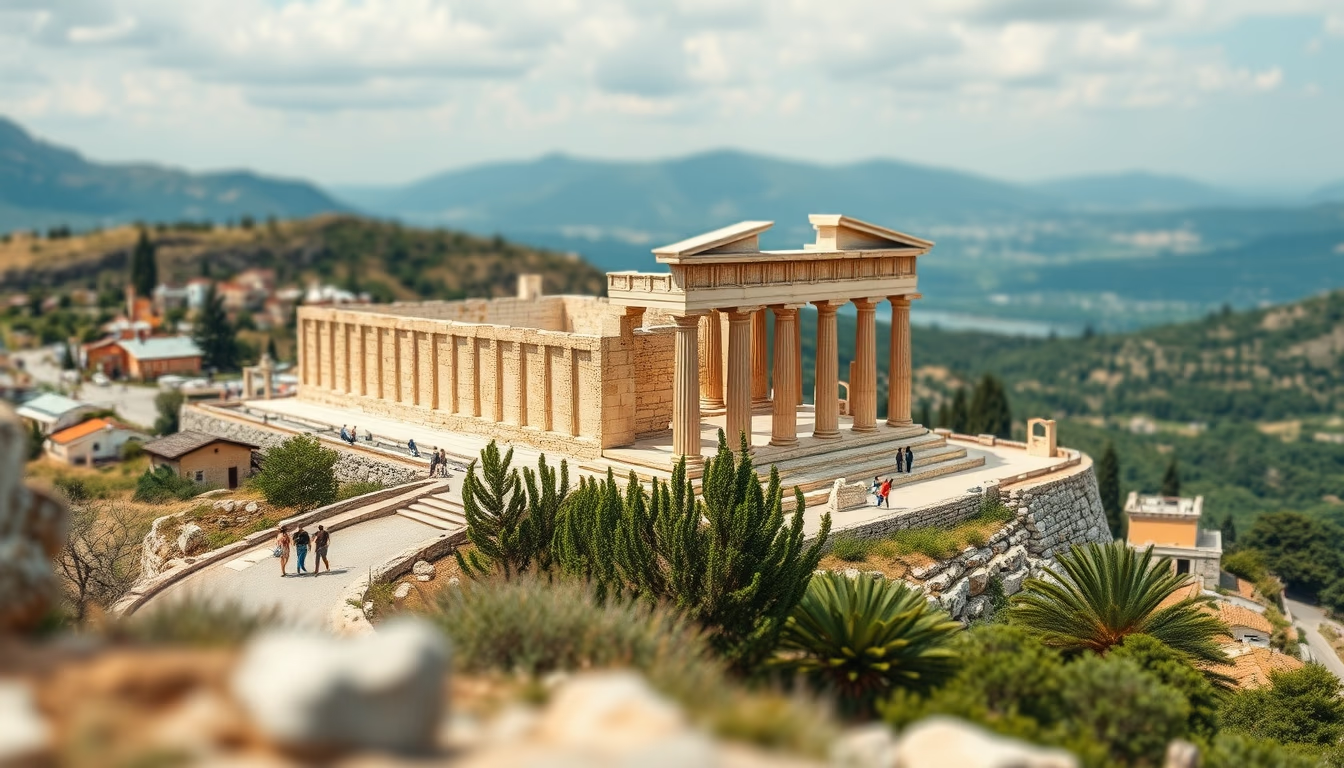
The narrow pass of Thermopylae in Greece was the site of the legendary 480 BC battle between Greeks and Persians.
About this subject
The pass of Thermopylae, located in central Greece, is renowned for its historical significance as the site of the Battle of Thermopylae in 480 BC. In this conflict, a small Greek force led by the Spartan king Leonidas faced the massive Persian army of Xerxes I. The geography of the area, with mountains on one side and the sea on the other, created a narrow corridor that favored the defenders, allowing the Greeks to hold off the Persian advance for three days.
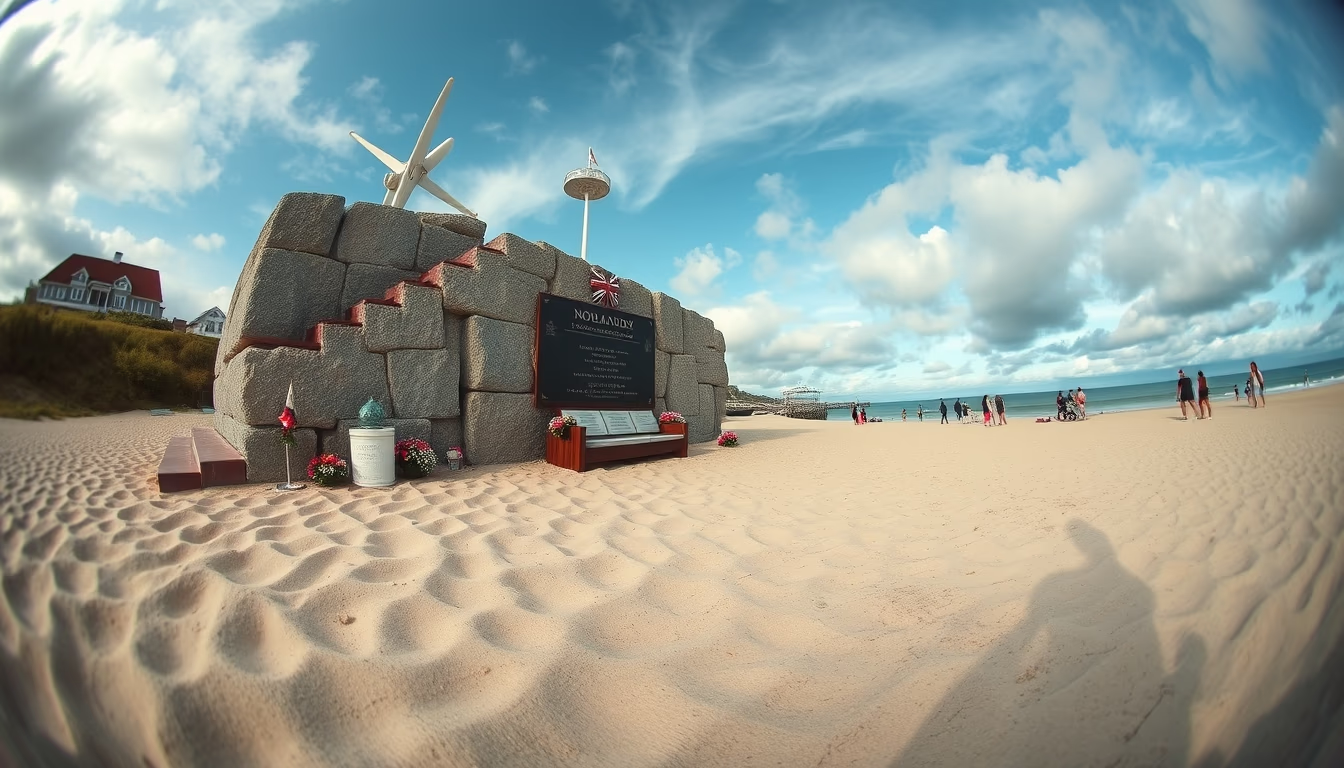
The battle became an enduring symbol of courage and sacrifice, especially due to the famous phrase attributed to Leonidas: "Molon labe" (Come and take them). Although the Greeks were ultimately defeated after a traitor revealed an alternative route, their resistance inspired the unification of the Greek city-states. The site today features a modern monument honoring Leonidas and his 300 Spartans, with a statue and a plaque bearing the epitaph of Simonides of Ceos.
Interestingly, Thermopylae was known in antiquity for its sulfurous hot springs, which gave the location its name ("Thermopylae" means "hot gates"). The landscape has changed significantly since ancient times due to siltation from the Spercheus River and sea retreat, making the original pass wider and less dramatic than during the battle. Nevertheless, the site remains a popular tourist destination and a landmark in military history.
Frequently Asked Questions
How many Greek soldiers actually fought at Thermopylae?
Estimates vary, but historians believe Leonidas led around 7,000 men, including 300 Spartans and hoplites from other city-states. The exact numbers are debated, but the defensive force was significantly smaller than the Persian army.
What happened to the soldiers' bodies after the battle?
After the battle, Xerxes ordered Leonidas' body to be beheaded and crucified, an affront to Greek customs. Later, the Greeks recovered the remains and buried them on the site, where a stone lion was erected in memory.
How has the site of Thermopylae changed since antiquity?
The original pass was much narrower, with the sea coming closer to the mountains. Silt from the Spercheus River and sea retreat have widened the coastal plain, making the location unrecognizable compared to the battle scene.
Direct URL
https://pub-c7d6a6ea828543ac903a74a341ccb2e1.r2.dev/imagens/thermopylae-greek-pass-studio-editorial-portrait-fresh0.avifHow to credit
Include a visible link back to UtilizAí. Copy one of the snippets below:
<a href="https://xn--utiliza-eza.com/en/midia/imagens/thermopylae-greek-pass-studio-editorial-portrait-fresh0">Thermopylae greek pass</a> by <a href="https://xn--utiliza-eza.com">UtilizAí</a>, licensed under <a href="https://creativecommons.org/licenses/by/4.0/">CC BY 4.0</a>.
[Thermopylae greek pass](https://xn--utiliza-eza.com/en/midia/imagens/thermopylae-greek-pass-studio-editorial-portrait-fresh0) by [UtilizAí](https://xn--utiliza-eza.com), CC BY 4.0
License: CC-BY-4.0