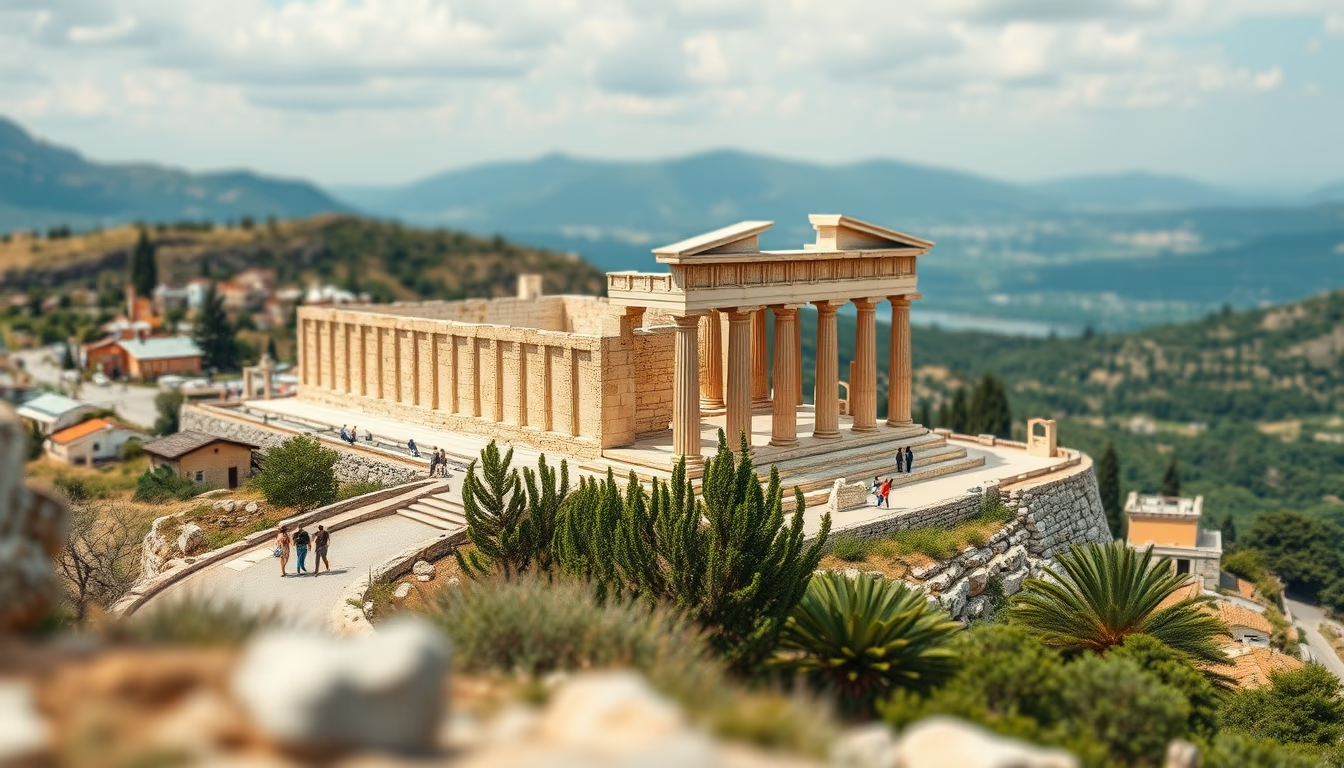
Thermopylae greek pass
1344×768 · AVIF · CC BY 4.0
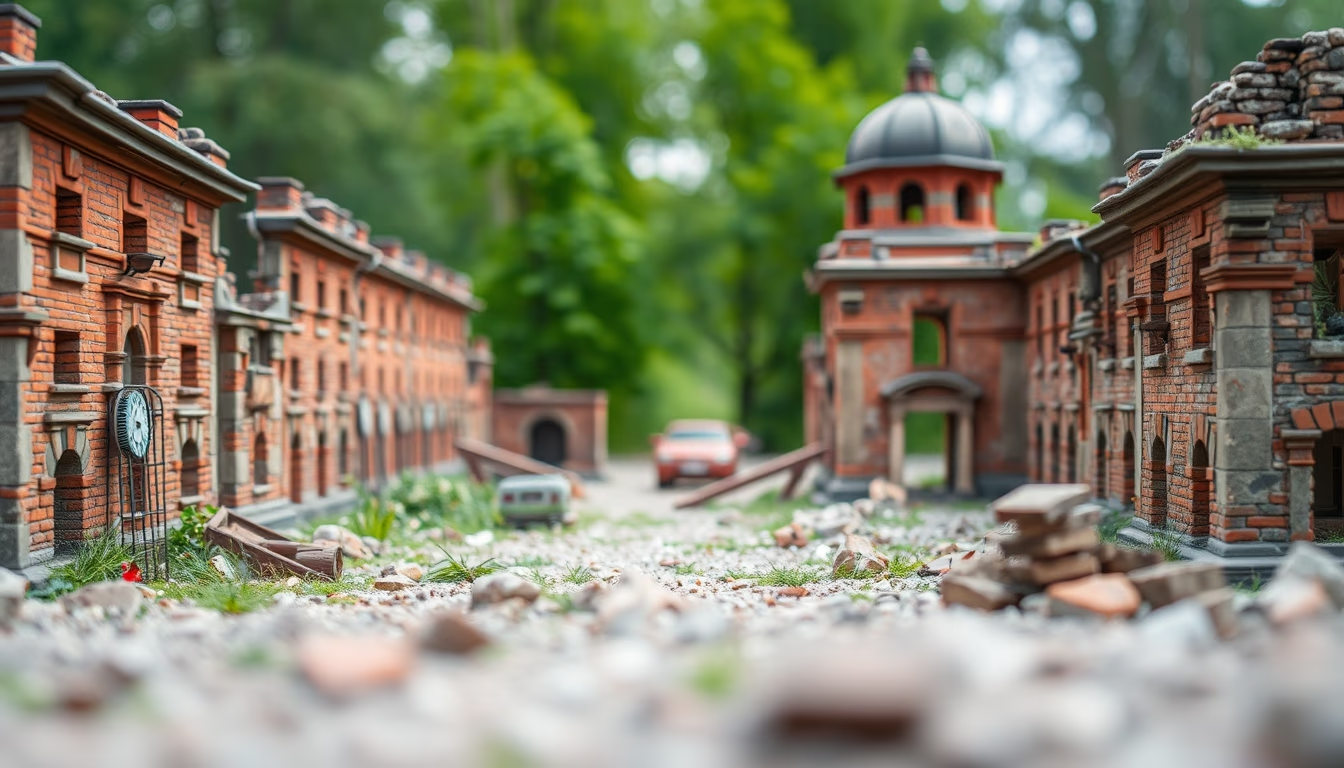
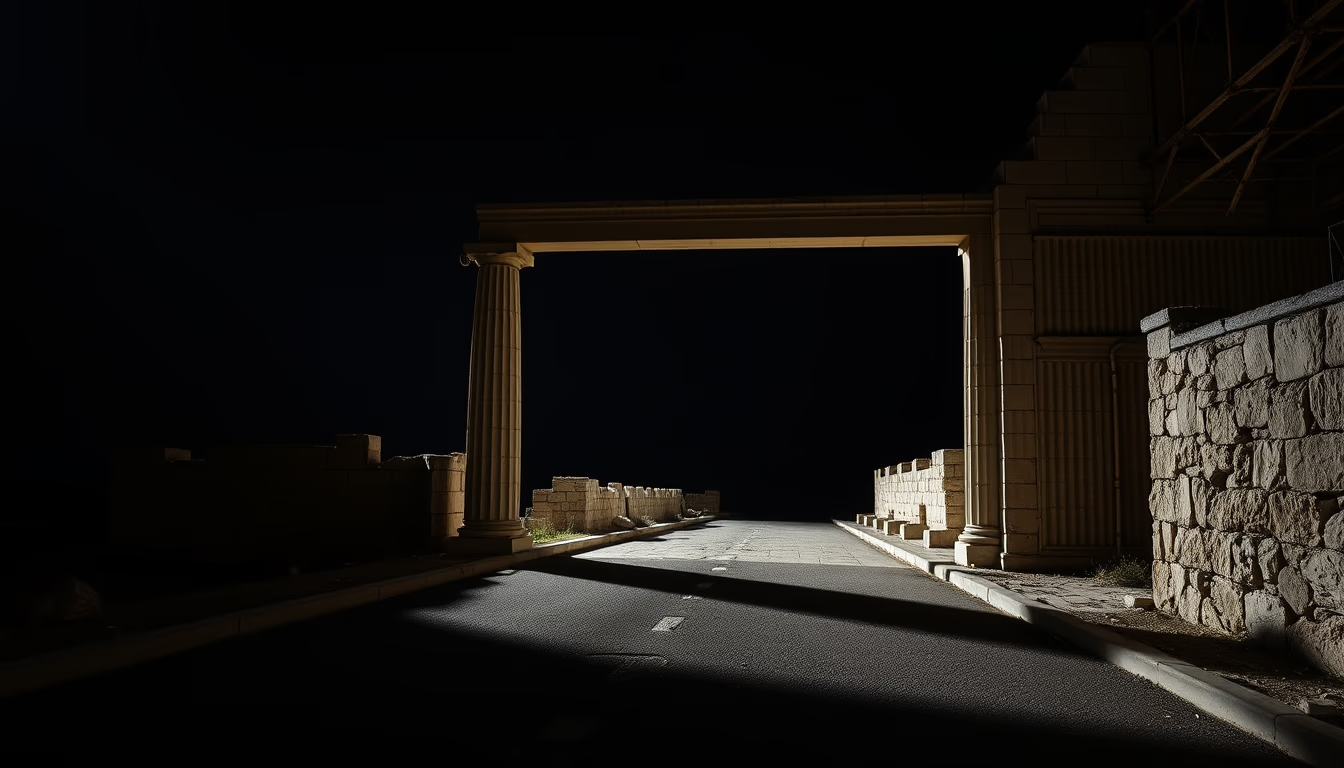
Thermopylae, the narrow coastal pass in central Greece, was the site of the legendary 480 BC battle between Greeks and Persians.
About this subject
Located in the region of Phocis, central Greece, the pass of Thermopylae (Greek for 'Hot Gates') is a natural gorge connecting the Aegean coast with the mountainous interior. Its name comes from the hot sulfur springs that still exist there. In antiquity, the pass was only a few meters wide, with the sea on one side and steep cliffs on the other. This geography made it a strategic defensive point of paramount importance for the Greeks.
In 480 BC, during the second Persian invasion of Greece, the Persian king Xerxes I led a massive army southward. To delay the Persian advance, a small Greek force commanded by the Spartan king Leonidas I took position at Thermopylae. The Greek contingent numbered about 7,000 soldiers, including 300 elite Spartans. The battle lasted three days. The Persians suffered heavy losses trying to force the pass, but eventually outflanked the Greeks through a mountain path revealed by a local traitor.
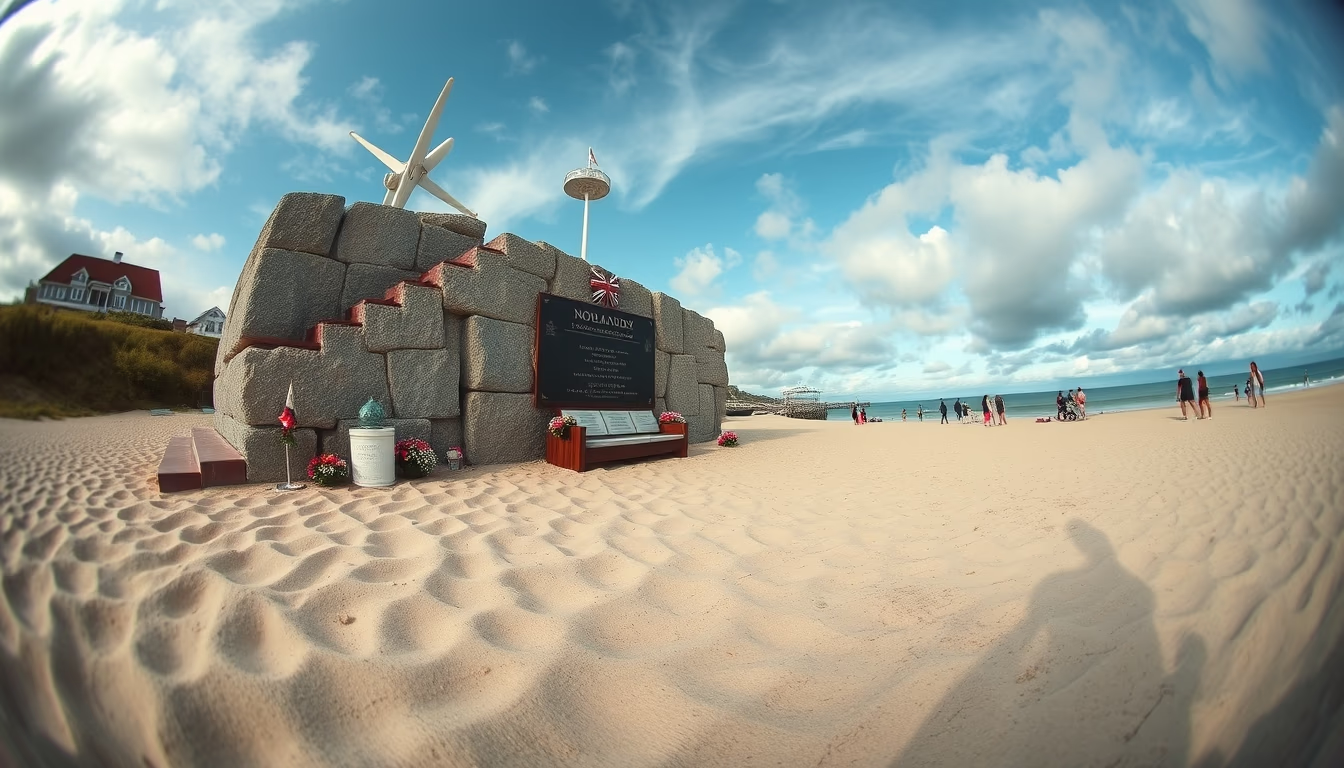
Despite the Greek defeat, the resistance at Thermopylae became a symbol of courage and sacrifice for freedom. The phrase attributed to Leonidas, 'Come and take them' (or 'Molon labe'), still echoes today as an expression of defiance. The site features monuments and memorials, including a statue of Leonidas and the epitaph by Simonides: 'Go tell the Spartans, stranger passing by, that here, obedient to their laws, we lie'.
Today, the landscape of Thermopylae has changed considerably due to the silting of the Spercheus River, which widened the coastal plain. The original pass no longer exists as a narrow gorge, but the archaeological site and memorials attract visitors from around the world, eager to relive one of the most emblematic episodes of Western history.
Frequently Asked Questions
Where exactly is the pass of Thermopylae?
Thermopylae is located in central Greece, on the coast of the Aegean Sea, about 150 km north of Athens. The pass lay between Mount Kallidromo and the Maliac Gulf.
How many Greek soldiers fought at Thermopylae?
The Greek army numbered about 7,000 men, of whom 300 were Spartans. Other contingents included soldiers from Thebes, Thespiae, and other city-states.
Why is the Battle of Thermopylae so famous?
It is remembered as an example of heroic resistance against overwhelming odds. The bravery of the 300 Spartans and their allies has inspired countless cultural works, films, and books.
Direct URL
https://pub-c7d6a6ea828543ac903a74a341ccb2e1.r2.dev/imagens/thermopylae-greek-pass-macro-closeup-fresh2.avifHow to credit
Include a visible link back to UtilizAí. Copy one of the snippets below:
<a href="https://xn--utiliza-eza.com/en/midia/imagens/thermopylae-greek-pass-macro-closeup-fresh2">Thermopylae greek pass</a> by <a href="https://xn--utiliza-eza.com">UtilizAí</a>, licensed under <a href="https://creativecommons.org/licenses/by/4.0/">CC BY 4.0</a>.
[Thermopylae greek pass](https://xn--utiliza-eza.com/en/midia/imagens/thermopylae-greek-pass-macro-closeup-fresh2) by [UtilizAí](https://xn--utiliza-eza.com), CC BY 4.0
License: CC-BY-4.0