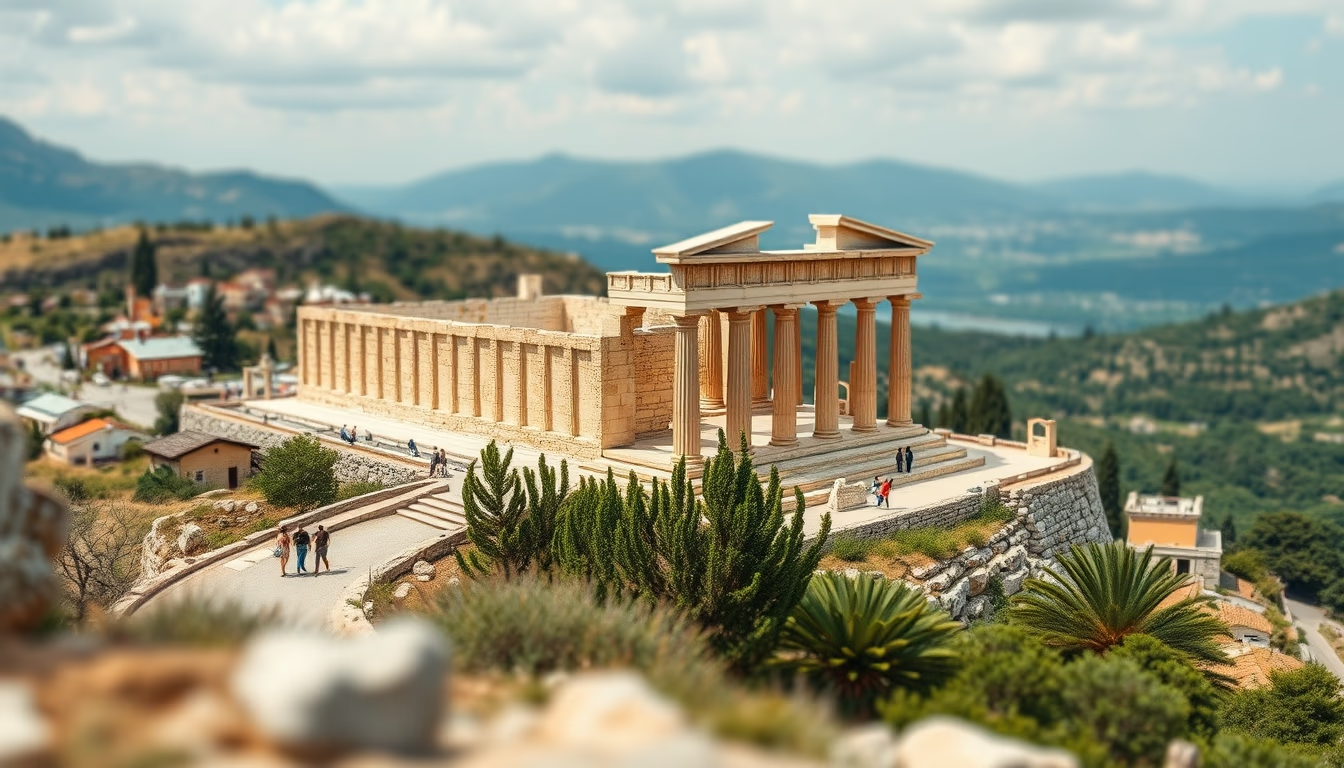
Thermopylae greek pass
1344×768 · AVIF · CC BY 4.0
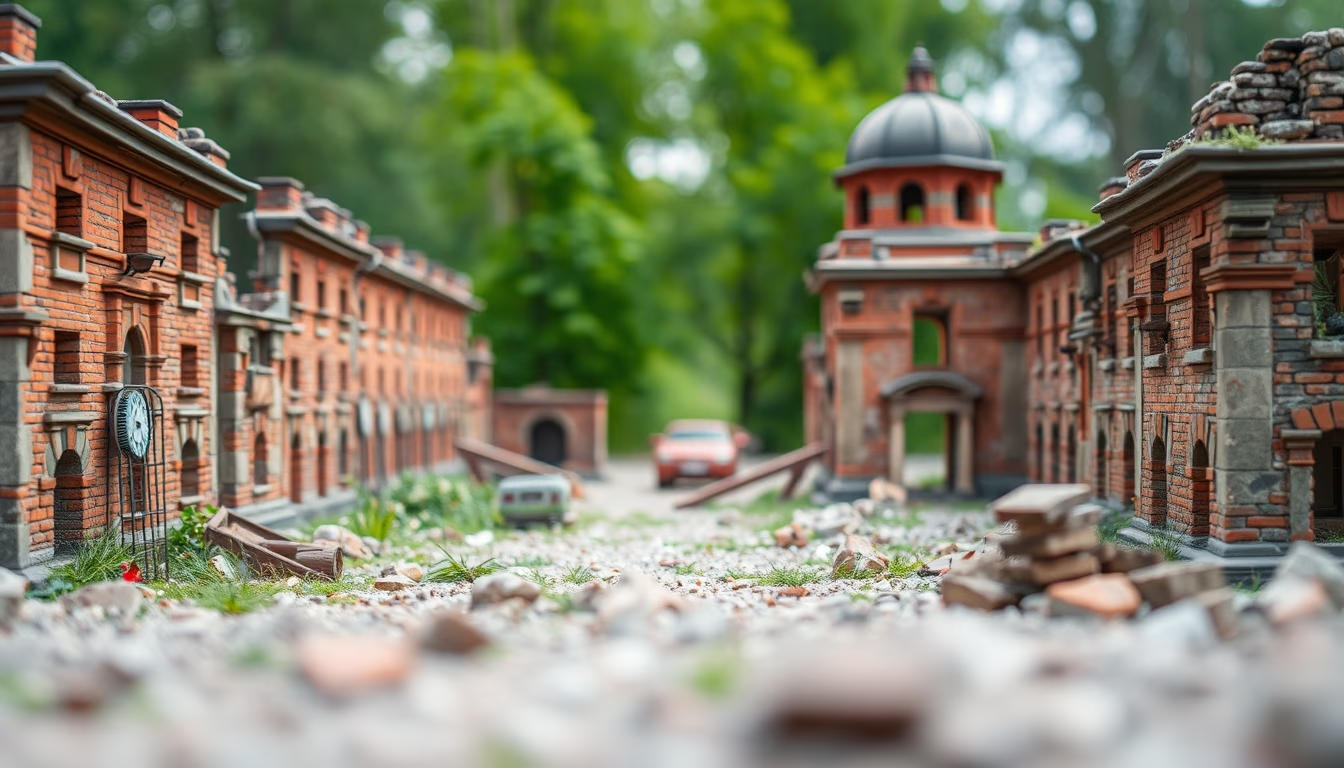
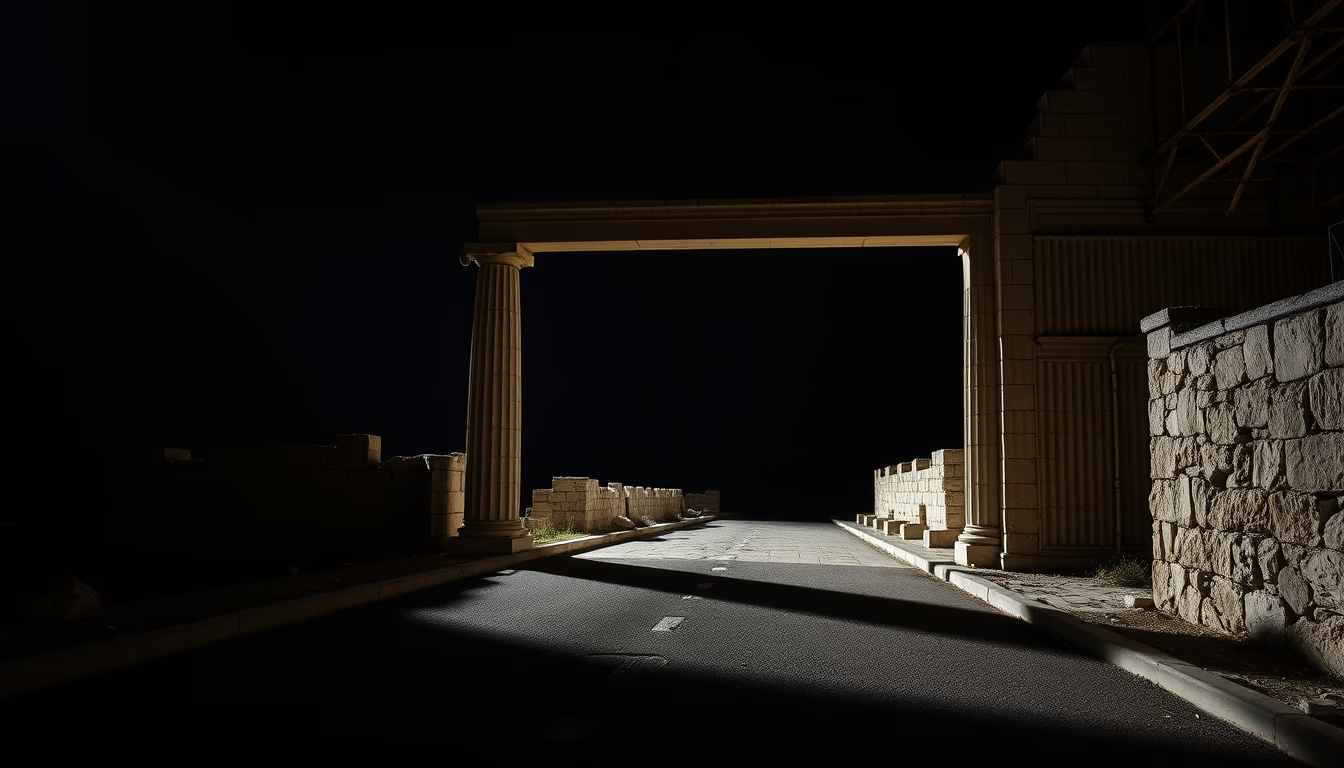
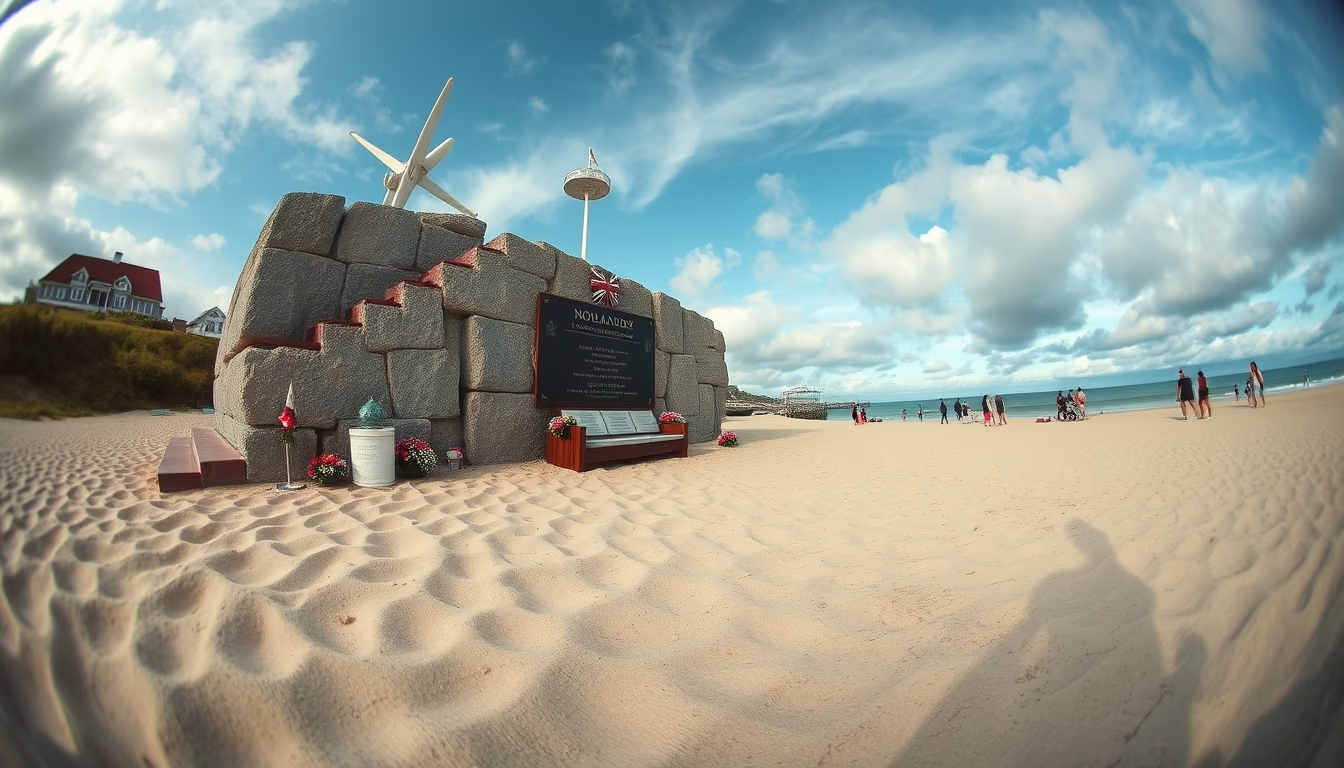
The narrow coastal pass of Thermopylae in central Greece was the site of the legendary 480 BC battle between Greeks and Persians.
About this subject
Thermopylae is a narrow coastal pass in central Greece, located in Phthiotis between Mount Callidromo and the Maliac Gulf. Its name means "Hot Gates," derived from the nearby sulfur hot springs. In antiquity, it was the primary land route from Thessaly into central Greece, making it a strategic chokepoint. Its historical fame stems from the Battle of Thermopylae in 480 BC during the Second Greco-Persian War, where a small allied Greek force led by Spartan king Leonidas faced the vast Persian army of Xerxes I.
The battle lasted three days and is celebrated as a symbol of heroism and resistance against overwhelming odds. The Greeks used the narrowness of the pass to neutralize the Persian numerical advantage. However, betrayal by a local named Ephialtes revealed a mountain path that allowed the Persians to outflank the defenders. Leonidas dismissed most of the army and stayed with 300 Spartans and other allies, fighting to the death. This event immortalized the phrase "Molon labe" ("Come and take them") and inspired numerous books, films, and artworks.
Geologically, the pass has changed over millennia due to sedimentation from the Spercheus River, which widened the coastal plain. Today, the site is much broader than in antiquity, but it still features monuments and memorials, including the Leonidas tomb. Nearby hotels and tourist centers offer guided tours, and the archaeological site includes ruins of ancient fortifications. The term "Thermopylae" has entered metaphorical use to describe a desperate last stand or heroic resistance against overwhelming forces.
Frequently Asked Questions
Where exactly is Thermopylae located?
Thermopylae is located in central Greece, in the region of Phthiotis, between Mount Callidromo and the Maliac Gulf, near the modern city of Lamia.
How many soldiers fought in the Battle of Thermopylae?
Estimates vary. The Greeks initially had about 7,000 soldiers, but only about 1,500 on the final day, including 300 Spartans. The Persians had between 100,000 and 300,000 according to ancient sources.
What does the phrase 'Molon labe' mean?
'Molon labe' is a Greek phrase meaning 'Come and take them'. According to Plutarch, it was Leonidas's reply when Xerxes demanded the Greeks surrender their weapons.
Direct URL
https://pub-c7d6a6ea828543ac903a74a341ccb2e1.r2.dev/imagens/thermopylae-greek-pass-architectural-photography-fresh9.avifHow to credit
Include a visible link back to UtilizAí. Copy one of the snippets below:
<a href="https://xn--utiliza-eza.com/en/midia/imagens/thermopylae-greek-pass-architectural-photography-fresh9">Thermopylae greek pass</a> by <a href="https://xn--utiliza-eza.com">UtilizAí</a>, licensed under <a href="https://creativecommons.org/licenses/by/4.0/">CC BY 4.0</a>.
[Thermopylae greek pass](https://xn--utiliza-eza.com/en/midia/imagens/thermopylae-greek-pass-architectural-photography-fresh9) by [UtilizAí](https://xn--utiliza-eza.com), CC BY 4.0
License: CC-BY-4.0