Telegram paper yellow
1344×768 · AVIF · CC BY 4.0
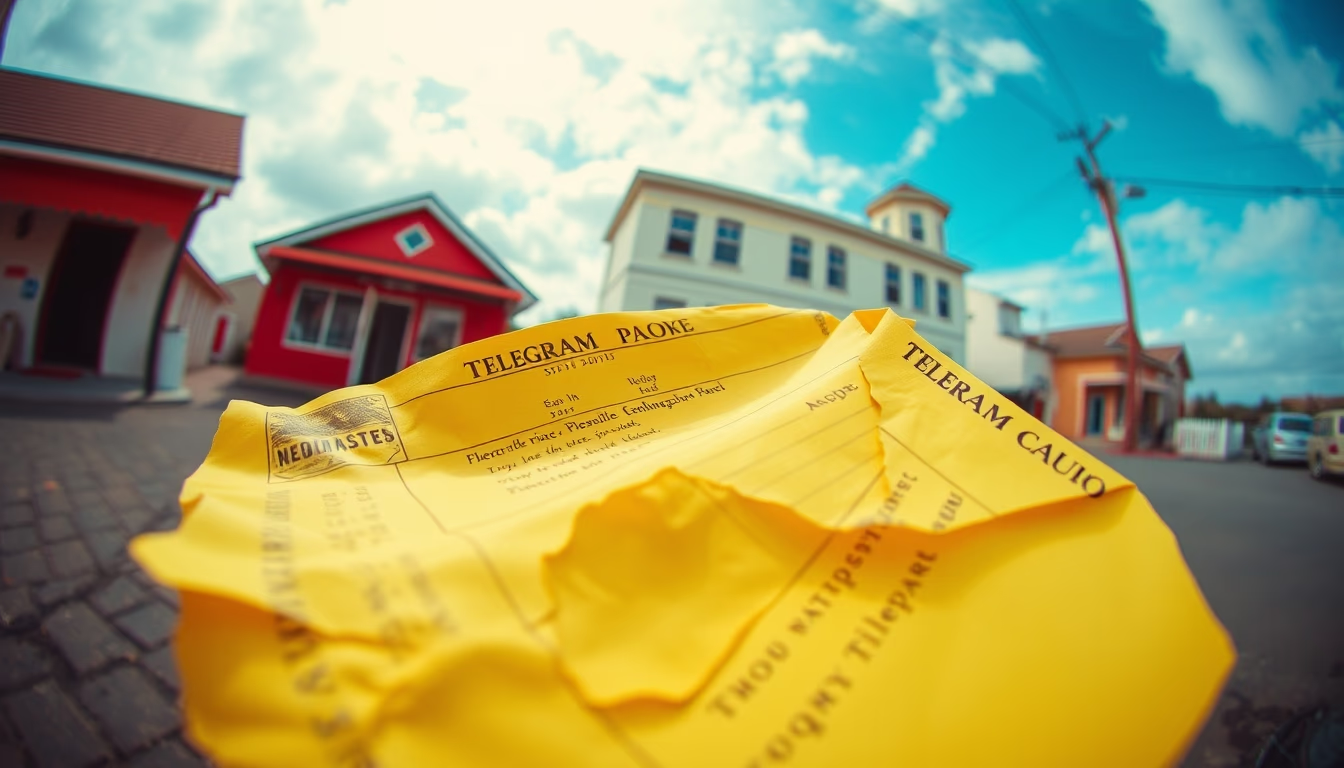
The yellow telegram paper is an icon of pre-digital communication, recognizable by its vibrant color and standardized rectangular format used by telegraph companies.
About this subject
The telegram, one of the earliest instant messaging systems, rose to prominence in the 19th and early 20th centuries. The yellow paper used by major operators like Western Union in the United States was not merely aesthetic: the bright color stood out on office desks and prevented confusion with other documents. This paper was lightweight, thin, and typically printed with a standard header including the company name, date, time, and the telegram number. The message was written or telegraphed in uppercase letters, often in Morse code, and the paper was pasted onto a more robust form for delivery.
The cultural significance of the yellow telegram paper extends beyond its practical function. For decades, receiving a telegram was a significant event, often associated with important news such as births, deaths, weddings, or urgent business transactions. The phrase "I got a telegram" carried a sense of urgency and formality. Today, the yellow paper has become a retro symbol, reappearing in movies, historical exhibitions, and vintage decor, reminding us of an era when written communication had physical and ceremonial weight.
Interestingly, the yellow color of telegram paper may be linked to durability. Yellowed papers of the time were often treated with iron sulfate or other compounds to resist aging, but the yellow tint also came from natural dyes like curcumin. In Brazil, the state-owned company Telemig used similar paper, and telegrams were delivered by motorcycle couriers or postmen using specific envelopes. With the advent of email and SMS, the telegram service has nearly vanished, but the yellow paper remains a tangible memory of a communication revolution.
Frequently Asked Questions
Why was telegram paper yellow?
The yellow color stood out visually to avoid confusion with other papers in offices, and it was obtained from durable dyes like curcumin. The tint also helped mask the aging of the paper.
Who were the main telegram companies in Brazil?
In Brazil, Telemig (now Oi) and Embratel were state-owned operators that offered telegraph services. Telegrams were delivered by mail carriers or motorcycle couriers in standardized envelopes.
Does the yellow paper telegram still exist?
Yes, though rare. Companies like Western Union still offer telegrams as a nostalgic product, and some postal services maintain the format for ceremonial purposes. Most telegrams today are electronic.
Direct URL
https://pub-c7d6a6ea828543ac903a74a341ccb2e1.r2.dev/imagens/telegram-paper-yellow-fish-eye-wide-angle-fresh3.avifHow to credit
Include a visible link back to UtilizAí. Copy one of the snippets below:
<a href="https://xn--utiliza-eza.com/en/midia/imagens/telegram-paper-yellow-fish-eye-wide-angle-fresh3">Telegram paper yellow</a> by <a href="https://xn--utiliza-eza.com">UtilizAí</a>, licensed under <a href="https://creativecommons.org/licenses/by/4.0/">CC BY 4.0</a>.
[Telegram paper yellow](https://xn--utiliza-eza.com/en/midia/imagens/telegram-paper-yellow-fish-eye-wide-angle-fresh3) by [UtilizAí](https://xn--utiliza-eza.com), CC BY 4.0
License: CC-BY-4.0