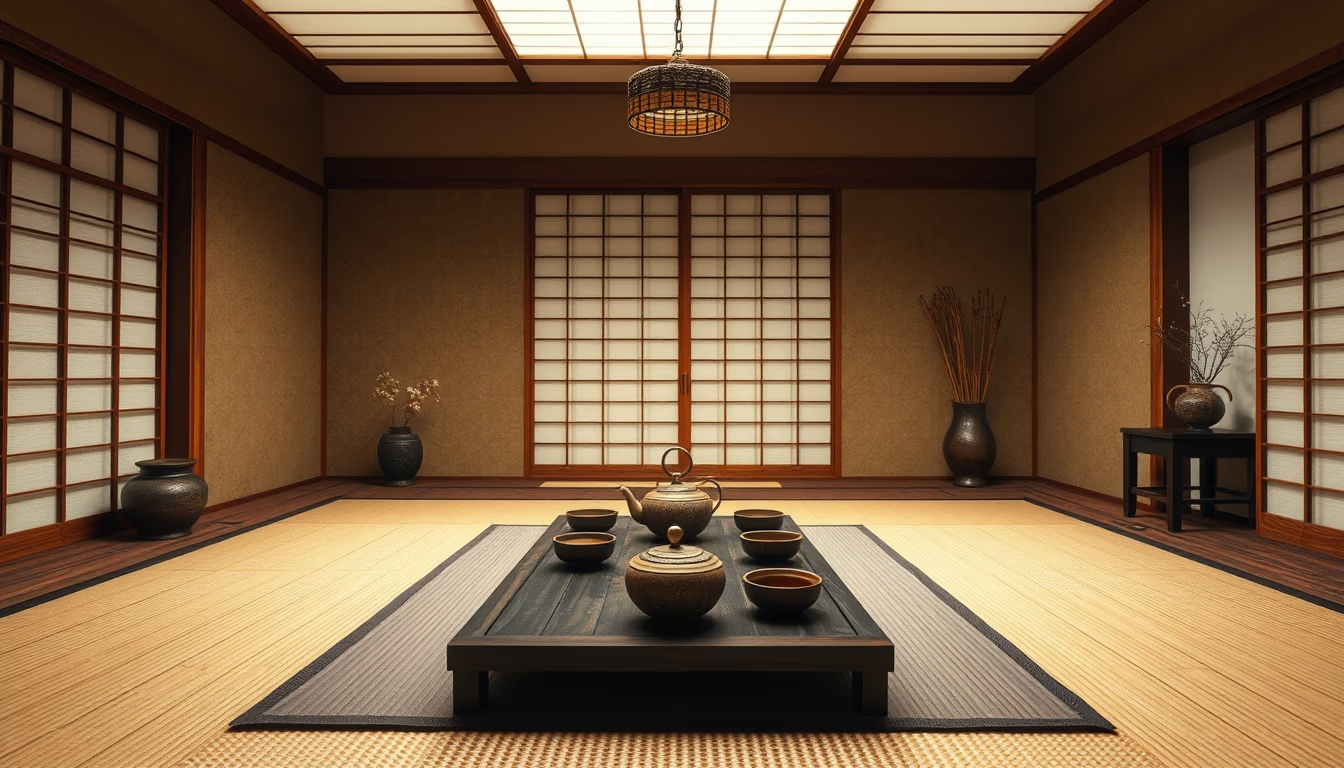
Tea room tatami
1344×768 · AVIF · CC BY 4.0
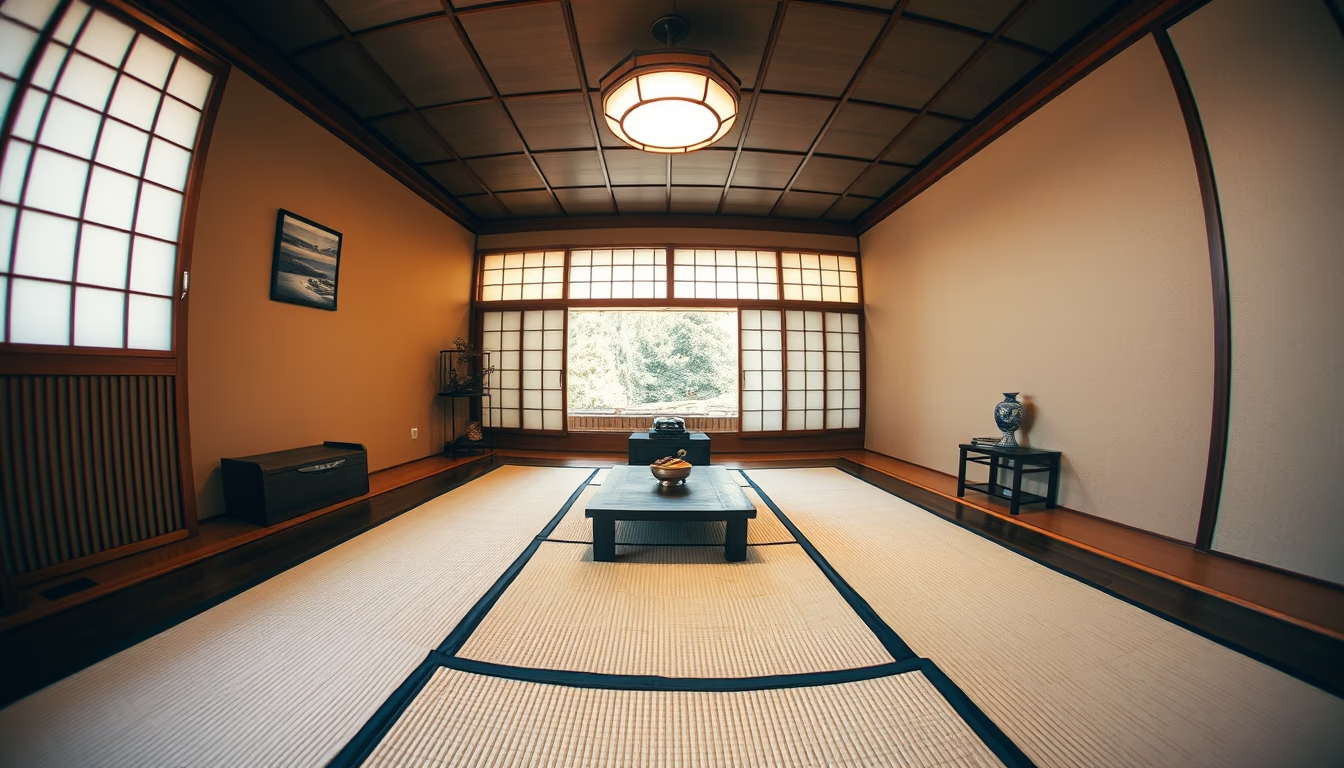
Tatami mats are traditional Japanese flooring essential in tea ceremonies, symbolizing simplicity and harmony.
About this subject
Tatami mats are fundamental elements in traditional Japanese architecture, especially in tea rooms (chashitsu). Made from compressed rice straw and covered with woven rush grass, they provide a soft, insulating surface. In tea ceremony, tatami is not just flooring but a component that defines the space, participants' posture, and the wabi-sabi aesthetic, which values imperfection and simplicity.
A typical tea room has 4.5 tatami mats, a size that allows proper circulation and placement of utensils. Each tatami has standardized dimensions (approximately 1.91m x 0.95m), and their orientation follows strict rules: corners never meet in a cross to avoid bad luck. The color and texture of tatami change as they age, which is appreciated in Japanese aesthetics.
Historically, tatami originated in the Heian period (794-1185) as portable mats for nobility. Only later did they come to cover entire rooms. During the Muromachi period (1336-1573), tea master Sen no Rikyu consolidated the use of tatami in tea rooms, establishing a link between the flooring and the spiritual experience of tea. Today, tatami are still made by hand, though synthetic versions are common.
Tatami maintenance requires special care: avoid excessive sunlight, clean with a damp cloth, and replace periodically (every 5-10 years). In tea ceremony, participants sit on tatami in seiza position, and interaction with the floor reflects respect and attention to the present moment.
Frequently Asked Questions
What is a tatami mat and what is it used for?
A tatami is a traditional Japanese mat made of rice straw and covered with rush grass. It is used as flooring in homes and tea rooms, providing comfort, insulation, and an aesthetic linked to Japanese culture.
How many tatami mats does a typical tea room have?
A tea room (chashitsu) typically has 4.5 tatami mats, a measure that defines the space for the ceremony. This number comes from traditions established by Sen no Rikyu.
Why are tatami mats important in the tea ceremony?
Tatami is essential because it establishes posture (seiza), circulation, and the wabi-sabi aesthetic. It reinforces the simplicity, harmony, and respect that permeate the ceremony.
Direct URL
https://pub-c7d6a6ea828543ac903a74a341ccb2e1.r2.dev/imagens/tea-room-tatami-fish-eye-wide-angle-fresh1.avifHow to credit
Include a visible link back to UtilizAí. Copy one of the snippets below:
<a href="https://xn--utiliza-eza.com/en/midia/imagens/tea-room-tatami-fish-eye-wide-angle-fresh1">Tea room tatami</a> by <a href="https://xn--utiliza-eza.com">UtilizAí</a>, licensed under <a href="https://creativecommons.org/licenses/by/4.0/">CC BY 4.0</a>.
[Tea room tatami](https://xn--utiliza-eza.com/en/midia/imagens/tea-room-tatami-fish-eye-wide-angle-fresh1) by [UtilizAí](https://xn--utiliza-eza.com), CC BY 4.0
License: CC-BY-4.0