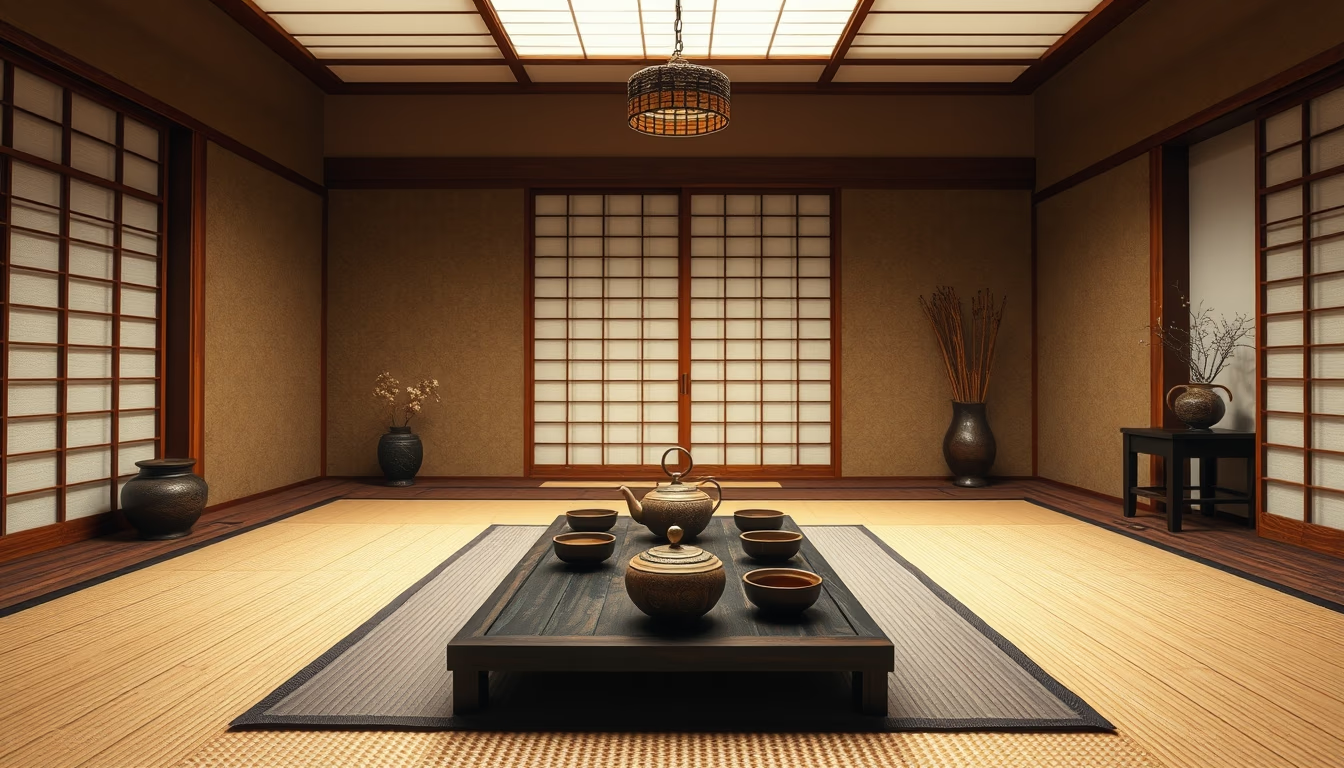
Tea room tatami
1344×768 · AVIF · CC BY 4.0
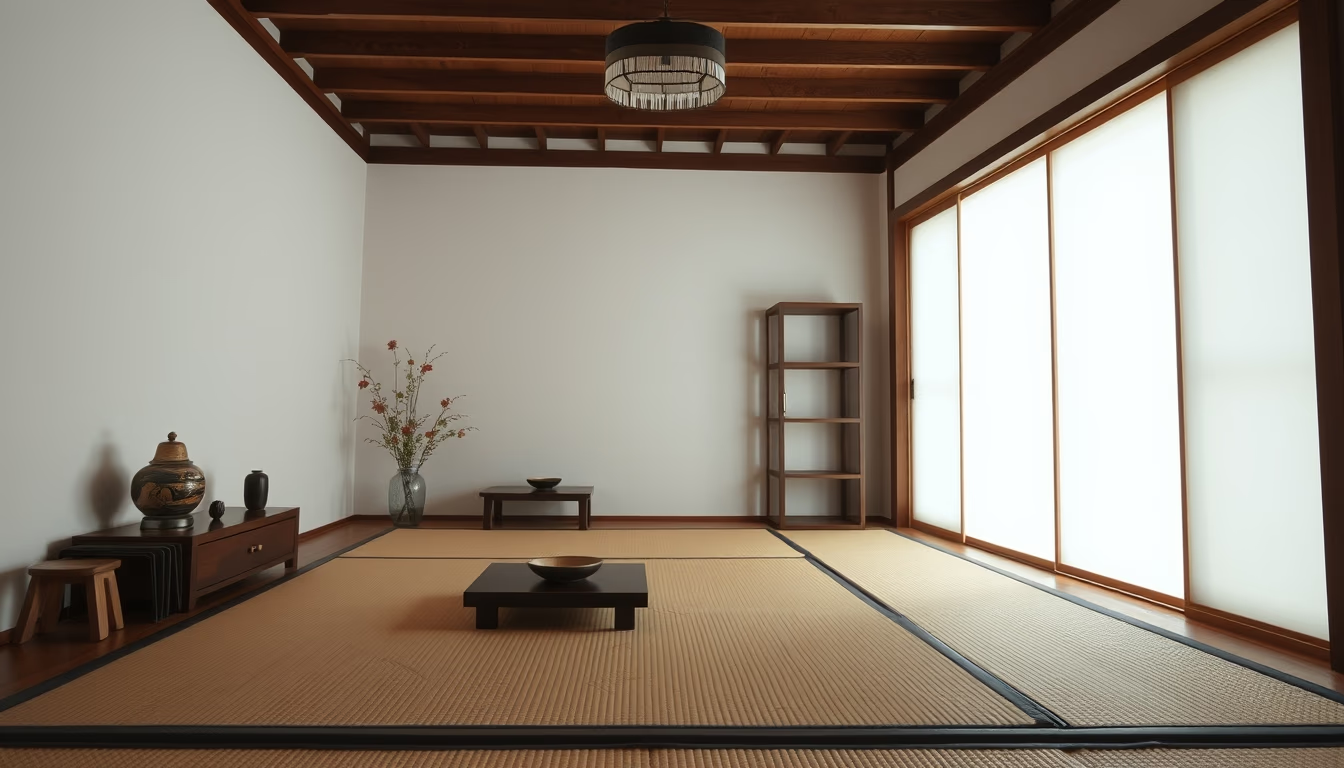
Tatami mats are the traditional flooring of Japanese tea rooms, carrying centuries of history and cultural meaning in the tea ceremony.
About this subject
Tatami is a traditional Japanese mat made from compressed rice straw and covered with woven rush grass (igusa). Its origins date back to the Heian period (794-1185), when it was used as seating for the nobility. With the development of chanoyu (tea ceremony) in the 16th century, tatami became the essential flooring of tea rooms (chashitsu), defining the ritual space.
In a typical tea room, the number of tatami mats ranges from 4.5 to 8, following standardized proportions. A tatami mat measures approximately 1.91 m by 0.96 m, though dimensions can vary by region in Japan. The orientation of the mats is carefully planned to create harmony and flow during the ceremony. Additionally, the edges of the tatami (heri) are often silk with patterns indicating the season or the tea school's style.
Artisanal production of tatami involves layers of compressed straw hand-stitched together, covered with rush mat. Maintenance includes airing and replacing the cover every few years. Tatami is not just flooring: it determines posture, movement, and aesthetics of the tea ritual. Sitting correctly on the tatami is a key part of etiquette, and the sound of feet sliding on it contributes to the meditative atmosphere.
Interestingly, tatami also influenced Japanese architecture, with room dimensions often measured by the number of mats. Globally, tatami has become a symbol of minimalist design and Japanese culture, used in meditation and yoga spaces worldwide.
Frequently Asked Questions
Why is tatami used in tea rooms?
Tatami is used because its natural texture and insulating properties create a tranquil and formal environment essential for the tea ceremony. Its pattern and orientation follow strict rules that organize the ritual space.
How is tatami made?
Tatami is handmade with layers of compressed rice straw covered by a woven rush mat. The edges are usually silk or cotton with decorative patterns. Production takes weeks and requires specialized skill.
How many tatami mats are in a traditional tea room?
A traditional tea room (chashitsu) typically has 4.5 tatami for the koma (small) style, but can have up to 8 for larger rooms like hiroma. The number defines formality and the ceremony layout.
Direct URL
https://pub-c7d6a6ea828543ac903a74a341ccb2e1.r2.dev/imagens/tea-room-tatami-commercial-product-photography-fresh12.avifHow to credit
Include a visible link back to UtilizAí. Copy one of the snippets below:
<a href="https://xn--utiliza-eza.com/en/midia/imagens/tea-room-tatami-commercial-product-photography-fresh12">Tea room tatami</a> by <a href="https://xn--utiliza-eza.com">UtilizAí</a>, licensed under <a href="https://creativecommons.org/licenses/by/4.0/">CC BY 4.0</a>.
[Tea room tatami](https://xn--utiliza-eza.com/en/midia/imagens/tea-room-tatami-commercial-product-photography-fresh12) by [UtilizAí](https://xn--utiliza-eza.com), CC BY 4.0
License: CC-BY-4.0