Tea bricks china
1344×768 · AVIF · CC BY 4.0
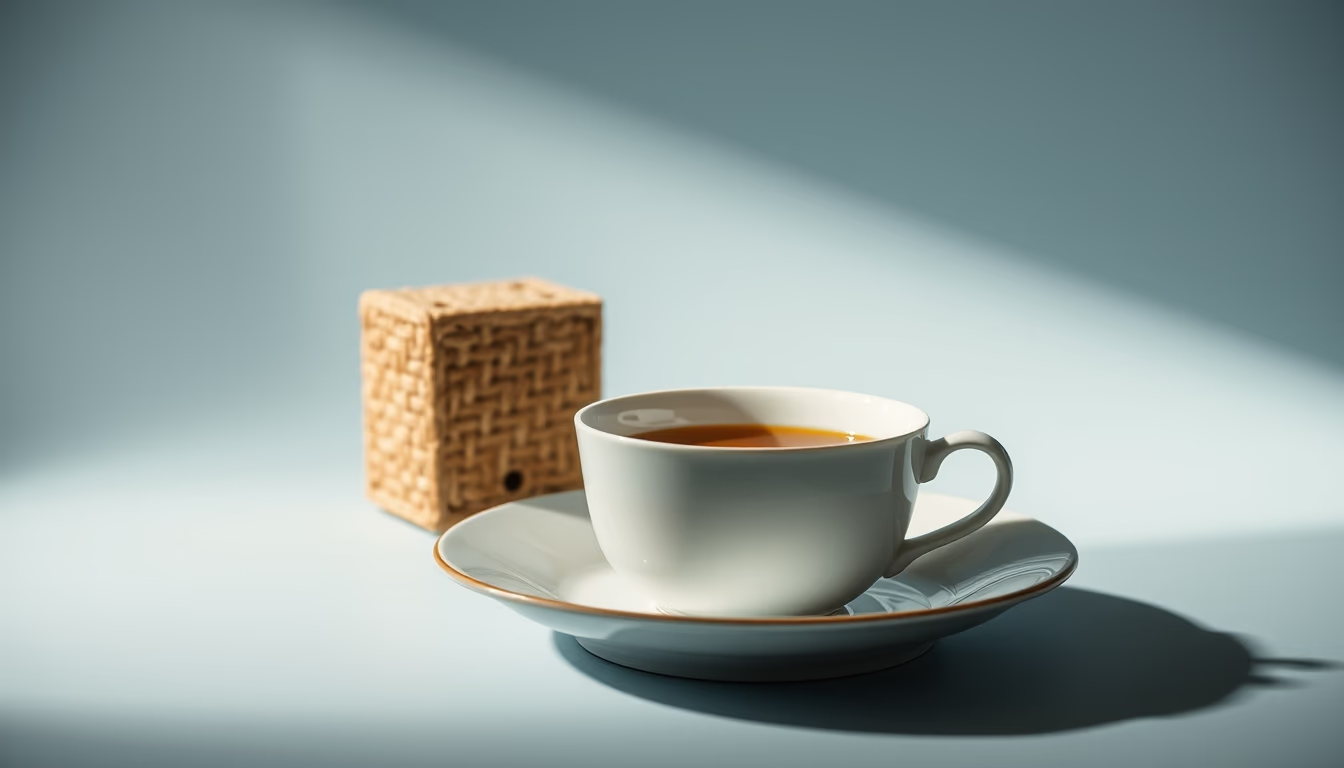
Chinese tea bricks, a traditional compressed form of tea leaves, were essential in Silk Road trade and are still produced for consumption and collection.
About this subject
Chinese tea bricks (cha bing or zhuan cha) are a historic form of processed and stored tea, originating in China during the Tang dynasty (618, 907 AD). Tea leaves were steamed, pressed into molds, and dried, resulting in compact blocks that facilitated transport and preservation. This technique was crucial for trade along the Silk Road and the Tea Horse Road, allowing tea to travel long distances without losing quality. The bricks were often used as currency in Central Asia, especially between Chinese and Tibetan merchants.
Tea bricks are typically made from black or green tea, with whole or crushed leaves. To consume, users scrape off a portion and steep it in hot water. The resulting liquor has a full-bodied, earthy flavor that varies by origin and age. Some bricks, like puerh, are intentionally aged to develop complexity, becoming collector's items that appreciate over time.
Beyond utility, tea bricks hold cultural significance. In China, they are associated with hospitality and tea ceremonies, especially in regions like Yunnan and Hunan. During the Ming and Qing dynasties, the government controlled brick production as a form of tribute and economic policy. Today, they are prized by tea enthusiasts worldwide and continue to be artisanally produced, many with stamps indicating origin and year.
Interestingly, tea brick production can include stems and twigs in rustic varieties like Tibetan brick tea. Pressing techniques vary: some bricks are hand-molded, others use hydraulic presses. The traditional rectangular or round shape may feature embossed Chinese characters, appealing to collectors. Despite the rise of loose tea, bricks maintain their historical and commercial relevance, serving as a living link to the past of global trade.
Frequently Asked Questions
How were tea bricks used as currency on the Silk Road?
Tea bricks were compact and durable, ideal for transport. In Central Asia, especially Tibet, they were traded for horses and other goods, acting as standard currency due to tea's high value.
What is the difference between tea bricks and loose tea?
Tea bricks are pressed and aged, resulting in a more concentrated, earthy flavor. While loose tea is consumed quickly, bricks can be stored for decades, developing complexity over time.
Why are some tea bricks expensive and collectible?
Aged bricks from specific regions, like aged puerh, are rare and valued for their unique flavor and history. Aging, origin stamps, and artisanal production increase their value among collectors.
Direct URL
https://pub-c7d6a6ea828543ac903a74a341ccb2e1.r2.dev/imagens/tea-bricks-china-studio-still-life-fresh0.avifHow to credit
Include a visible link back to UtilizAí. Copy one of the snippets below:
<a href="https://xn--utiliza-eza.com/en/midia/imagens/tea-bricks-china-studio-still-life-fresh0">Tea bricks china</a> by <a href="https://xn--utiliza-eza.com">UtilizAí</a>, licensed under <a href="https://creativecommons.org/licenses/by/4.0/">CC BY 4.0</a>.
[Tea bricks china](https://xn--utiliza-eza.com/en/midia/imagens/tea-bricks-china-studio-still-life-fresh0) by [UtilizAí](https://xn--utiliza-eza.com), CC BY 4.0
License: CC-BY-4.0