Tea bricks china
1344×768 · AVIF · CC BY 4.0
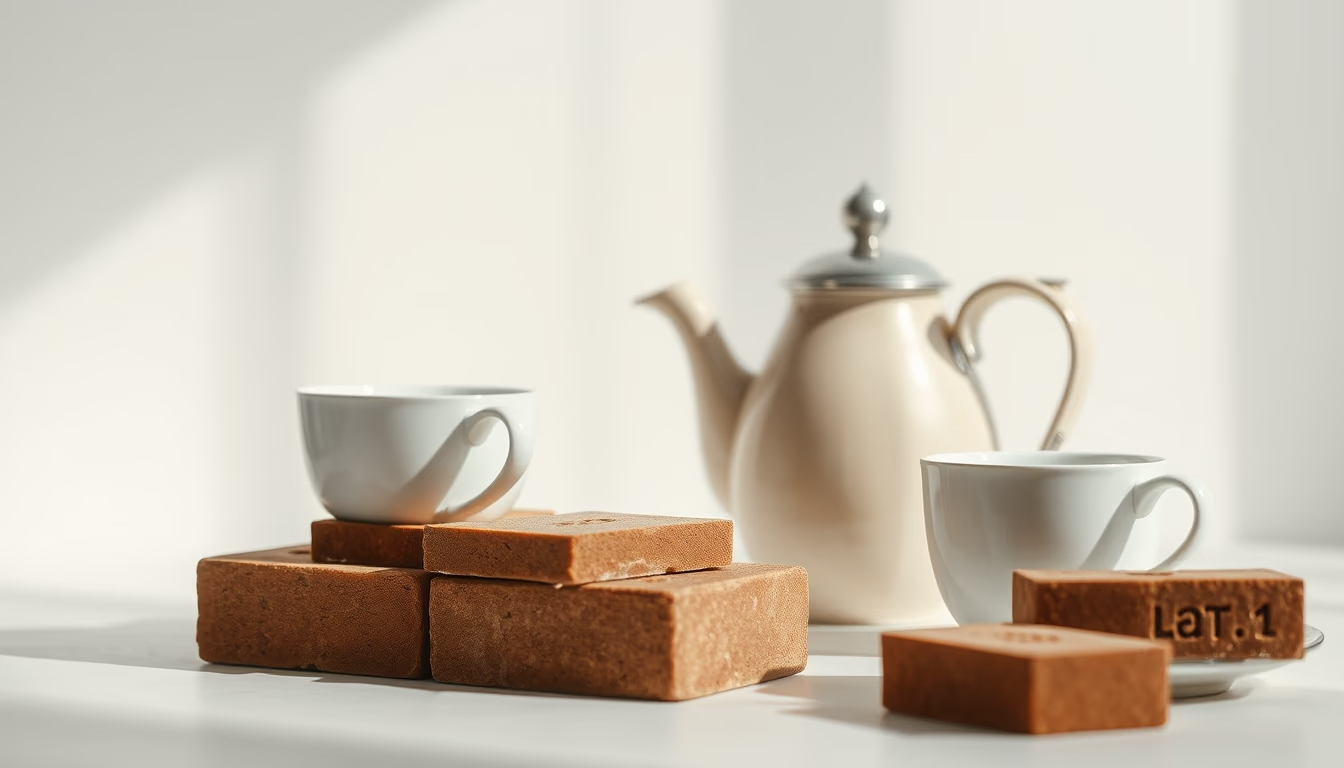
Chinese tea bricks are pressed blocks of tea leaves that served as currency and vital trade goods along historical routes such as the Silk Road and the Tea Horse Road.
About this subject
Tea bricks, also known as block tea or pressed tea, originated in China during the Tang dynasty (618, 907 AD) when tea leaves were steamed, pressed into molds, and dried to facilitate transport and storage. This method allowed tea to be compacted into standardized shapes, usually discs or bricks, weighing between 100 grams and 2.5 kilograms. Production was concentrated in provinces such as Yunnan, Hunan, and Sichuan, where tea was grown at high altitudes.
On the Silk Road and especially the Tea Horse Road (Chama Gudao), tea bricks were used as currency in trade with nomadic peoples of Central Asia, such as Tibetans and Mongols. For these groups, tea was essential to the diet, aiding digestion of fatty foods and providing nutrients. A standard brick could be exchanged for a horse or a quantity of furs. The Ming dynasty (1368, 1644) regulated production and trade by standardizing the shape and weight of bricks to facilitate transactions.
With the decline of traditional trade routes in the 20th century, the use of tea bricks as currency waned, but they continued to be produced, especially pu'er tea, which is pressed into discs or bricks and prized for aging. Today, tea bricks are collected and enjoyed by tea enthusiasts for both their unique flavor and historical significance. Some antique bricks from the 19th century fetch high prices at auctions, reflecting their role as artifacts of imperial China's economy and culture.
Frequently Asked Questions
What is a Chinese tea brick?
It is a block of pressed tea leaves, usually green tea or pu'er, historically used as currency and trade goods. Pressing facilitated transport and preserved the tea for long periods.
How were tea bricks used as money?
On trade routes like the Tea Horse Road, tea bricks were exchanged for horses, furs, and other goods. Value depended on weight and quality; a standard brick could equal one horse.
Are tea bricks still consumed today?
Yes, especially pressed pu'er tea, which is aged to develop flavor. Tea bricks are also produced for collectors and can be brewed by chipping off a piece for infusion.
Direct URL
https://pub-c7d6a6ea828543ac903a74a341ccb2e1.r2.dev/imagens/tea-bricks-china-minimalist-composition-fresh11.avifHow to credit
Include a visible link back to UtilizAí. Copy one of the snippets below:
<a href="https://xn--utiliza-eza.com/en/midia/imagens/tea-bricks-china-minimalist-composition-fresh11">Tea bricks china</a> by <a href="https://xn--utiliza-eza.com">UtilizAí</a>, licensed under <a href="https://creativecommons.org/licenses/by/4.0/">CC BY 4.0</a>.
[Tea bricks china](https://xn--utiliza-eza.com/en/midia/imagens/tea-bricks-china-minimalist-composition-fresh11) by [UtilizAí](https://xn--utiliza-eza.com), CC BY 4.0
License: CC-BY-4.0