Tea bricks china
1344×768 · AVIF · CC BY 4.0
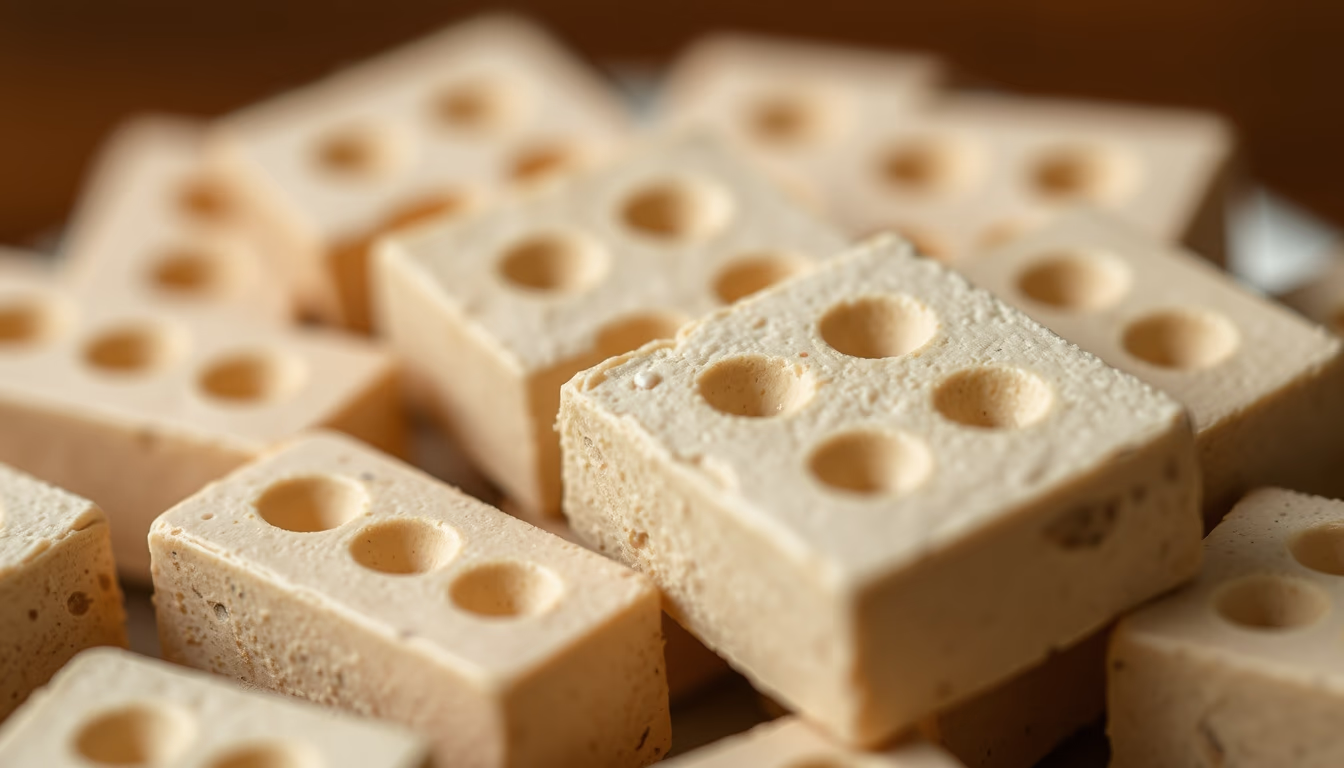
Chinese tea bricks, compressed and aged, have been treasured for centuries as a form of storage and trade.
About this subject
Tea bricks, also known as compressed tea, are solid blocks made from tea leaves, typically black or pu'erh varieties. Originating in China, especially in Yunnan and Sichuan provinces, they emerged during the Tang and Song dynasties (7th to 13th centuries) as a practical solution for transporting and storing tea along trade routes like the Silk Road. At that time, tea bricks were so valuable that they served as currency and tribute items between kingdoms.
The production of tea bricks involves steaming the leaves, pressing them into molds, which can create shapes like discs, rectangular bricks, or cakes, and then drying. For pu'erh, an additional microbial fermentation process gives the tea an earthy, complex flavor and allows it to improve with age, much like a fine wine. Many bricks are aged for decades or even centuries in special cellars, developing unique aromas and high market value.
Culturally, tea bricks hold a central place in Chinese tea ceremonies, especially among pu'erh enthusiasts. The practice of breaking off flakes from the brick to prepare the infusion is ritualistic and requires skill. Additionally, pests like termites are controlled during storage, and the oldest bricks are considered relics. Interestingly, the compact format also facilitates modern export by reducing volume and weight while preserving quality. Collectors pay fortunes for rare bricks from the 19th century or earlier.
Frequently Asked Questions
How are tea bricks made?
Tea leaves are steamed, pressed into molds, and dried. For pu'erh, additional microbial fermentation occurs, which can last months or years.
Why was tea pressed into bricks historically?
Pressing facilitated long-distance transport, such as along the Silk Road, and preserved the tea's flavor for years, preventing spoilage.
What is the difference between a tea brick and loose tea?
The brick is compacted and can be aged, developing complex, earthy flavors. To brew, you must scrape or break off flakes, whereas loose tea is ready to infuse.
Direct URL
https://pub-c7d6a6ea828543ac903a74a341ccb2e1.r2.dev/imagens/tea-bricks-china-macro-closeup-fresh10.avifHow to credit
Include a visible link back to UtilizAí. Copy one of the snippets below:
<a href="https://xn--utiliza-eza.com/en/midia/imagens/tea-bricks-china-macro-closeup-fresh10">Tea bricks china</a> by <a href="https://xn--utiliza-eza.com">UtilizAí</a>, licensed under <a href="https://creativecommons.org/licenses/by/4.0/">CC BY 4.0</a>.
[Tea bricks china](https://xn--utiliza-eza.com/en/midia/imagens/tea-bricks-china-macro-closeup-fresh10) by [UtilizAí](https://xn--utiliza-eza.com), CC BY 4.0
License: CC-BY-4.0