Tea bricks china
1344×768 · AVIF · CC BY 4.0
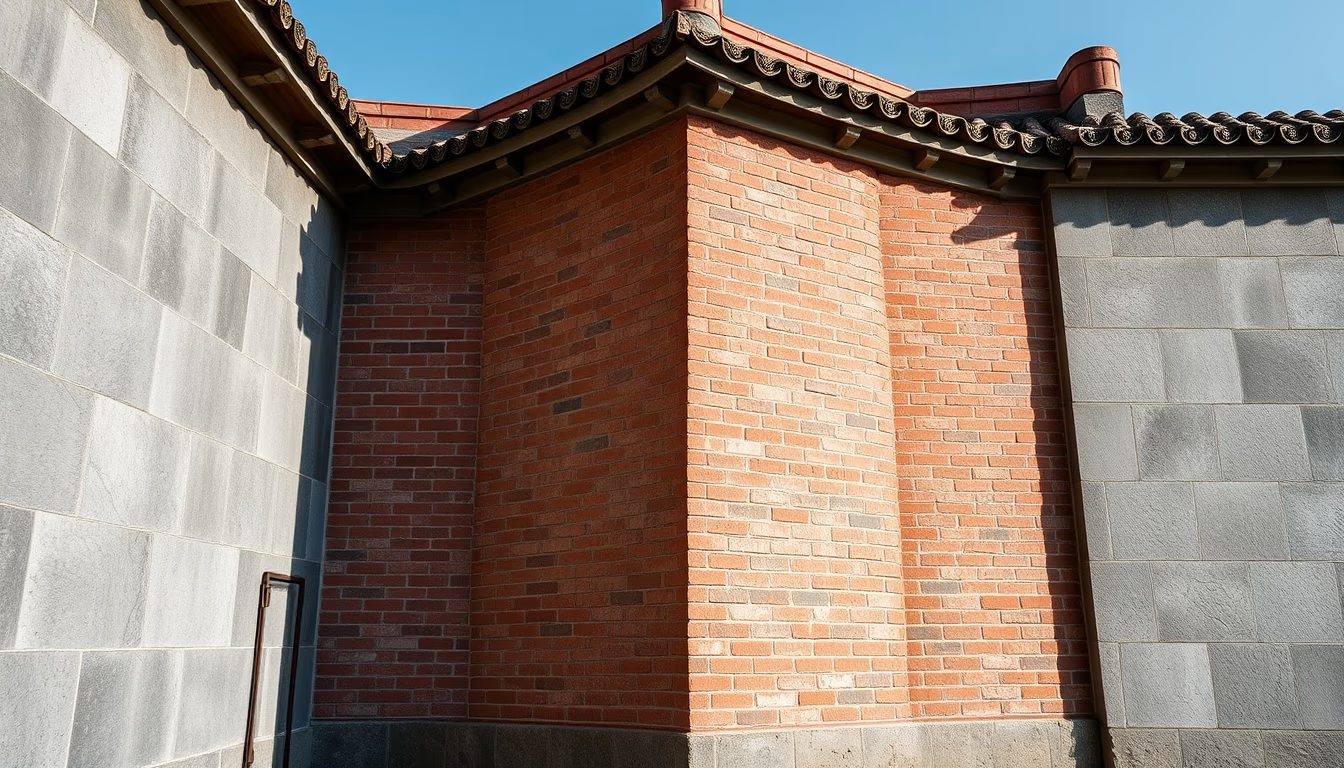
Chinese tea bricks are compressed blocks of tea leaves used historically as currency and sustenance along the ancient Tea Horse Road.
About this subject
Tea bricks, also known as compressed tea, are a traditional form of tea processing in China, especially in Yunnan, Sichuan, and Hunan provinces. They are made by pressing black or green tea leaves into molds, forming solid blocks that facilitated long-distance transport and storage.
Their origins date back to the Tang (618, 907) and Song (960, 1279) dynasties, but they became crucial for trade with Tibet and Central Asia during the Ming dynasty (1368, 1644). Along the Tea Horse Road, a network of trails linking China to Tibet and India, tea bricks served as currency for horses, furs, and other goods. Tibetans valued tea for calories and aiding digestion of their high-fat diet.
Various shapes exist, including rectangular bricks, discs, and nests. Pu'er tea, a fermented tea from Yunnan, is often pressed into discs or bricks for aging. Production involves steaming leaves and compressing them with hydraulic or manual presses. Bricks may age for years, developing complex flavors. For consumption, flakes are scraped off and boiled in water, often with salt or yak butter, as in traditional Tibetan butter tea.
Despite the popularity of loose tea, tea bricks are still artisanal produced and valued by collectors and enthusiasts. They represent not only a beverage but a historical legacy of trade and material culture.
Frequently Asked Questions
How were tea bricks used as currency?
Tea bricks were used as barter currency along the Tea Horse Road, traded for horses, furs, and other goods. Their value was standardized by weight and quality, and they could be broken into smaller pieces for small transactions.
What is the difference between a tea brick and loose tea?
A tea brick is compressed into a block, which extends its shelf life and makes transport easier. Loose tea consists of whole or broken leaves without compression and is typically consumed more quickly.
Are tea bricks still produced today?
Yes, especially pu'er tea from Yunnan, which is pressed into discs or bricks for aging. They are also made on a smaller scale in other regions of China and East Asia.
Direct URL
https://pub-c7d6a6ea828543ac903a74a341ccb2e1.r2.dev/imagens/tea-bricks-china-architectural-photography-fresh17.avifHow to credit
Include a visible link back to UtilizAí. Copy one of the snippets below:
<a href="https://xn--utiliza-eza.com/en/midia/imagens/tea-bricks-china-architectural-photography-fresh17">Tea bricks china</a> by <a href="https://xn--utiliza-eza.com">UtilizAí</a>, licensed under <a href="https://creativecommons.org/licenses/by/4.0/">CC BY 4.0</a>.
[Tea bricks china](https://xn--utiliza-eza.com/en/midia/imagens/tea-bricks-china-architectural-photography-fresh17) by [UtilizAí](https://xn--utiliza-eza.com), CC BY 4.0
License: CC-BY-4.0