Tapestry medieval flemish
1344×768 · AVIF · CC BY 4.0
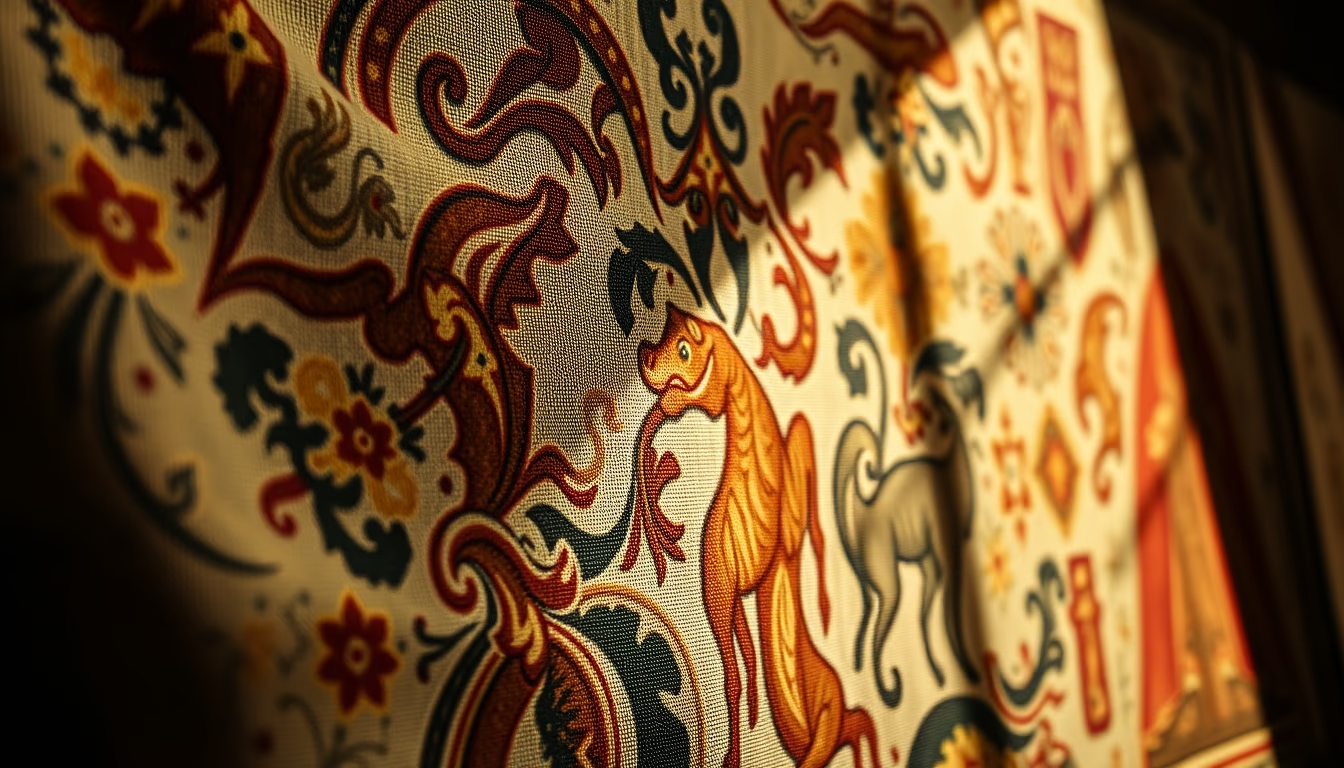
Flemish medieval tapestry represents one of the most refined artistic expressions in Europe, combining advanced textile techniques with complex visual narratives.
About this subject
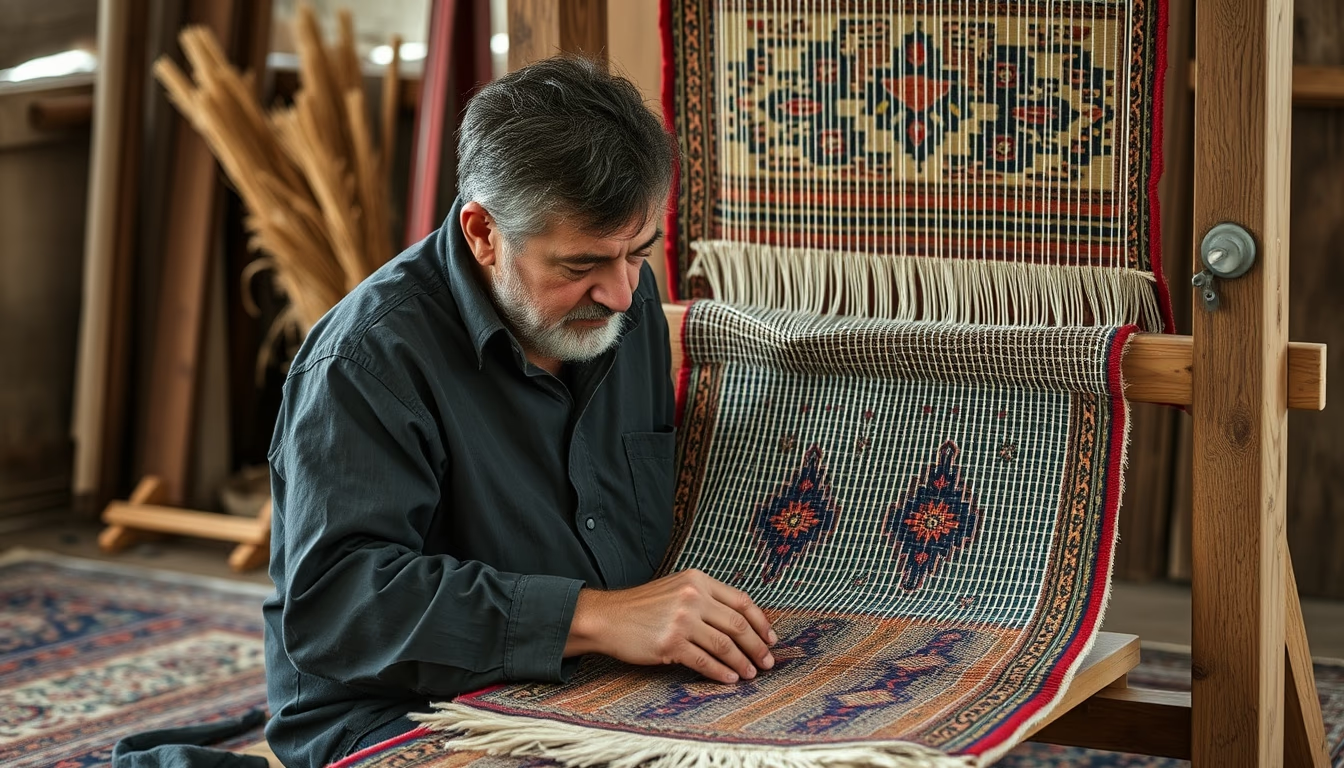
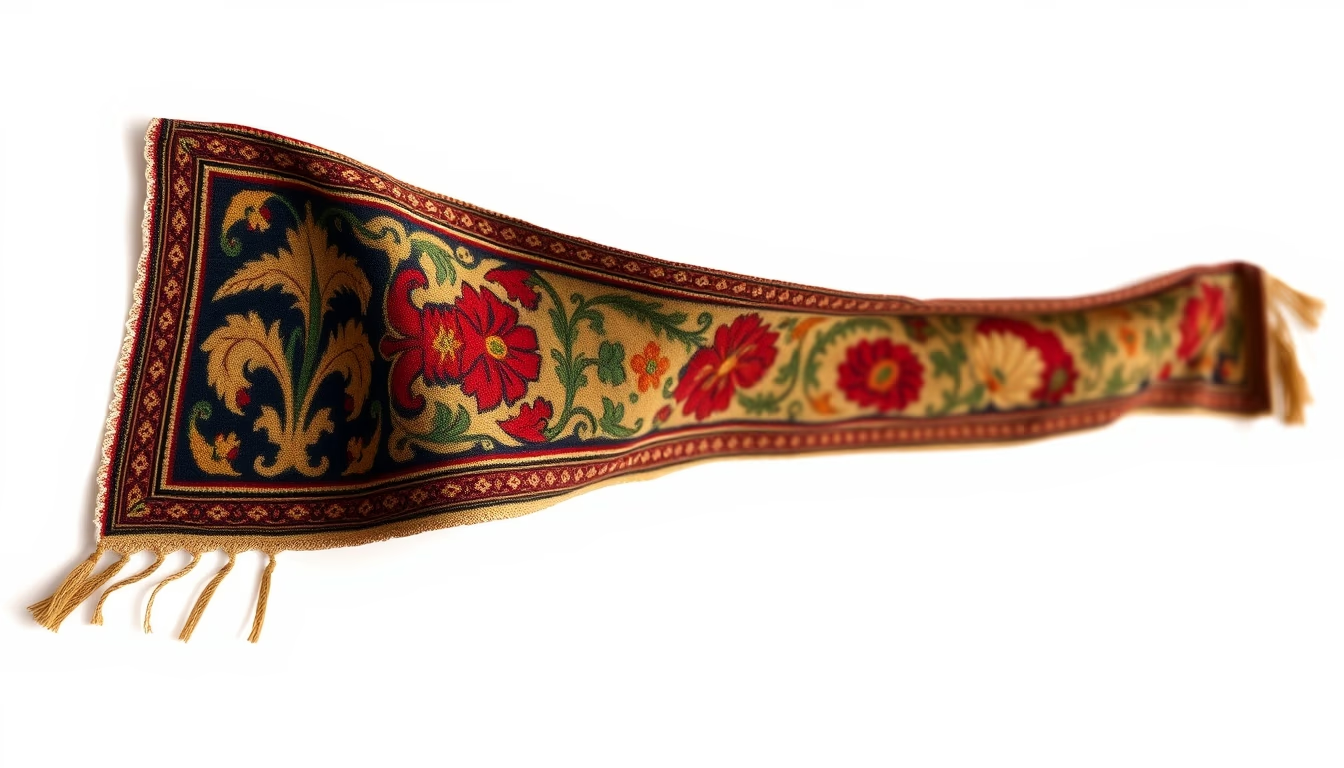
Flemish medieval tapestry was primarily produced in the textile centers of Flanders, such as Bruges, Ghent, and Tournai, between the 14th and 16th centuries. These works were handwoven on looms using wool dyed with natural pigments, often incorporating silk and gold threads for brilliance and detail. Themes ranged from biblical and mythological scenes to depictions of battles and courtly life, frequently based on designs by renowned artists of the time.
The weaving technique allowed for highly detailed compositions with hundreds of hues and textures. A large-format tapestry could take years to complete by several weavers working simultaneously. These pieces were symbols of status and power, commissioned by nobles and religious institutions to decorate castles and cathedrals, also serving as thermal insulation in cold environments.
The cultural significance of Flemish tapestries is immense; they were often used as diplomatic gifts and recorded historical events. Famous examples include the "Lady and the Unicorn" series (Musée de Cluny) and the "Bayeux Tapestry" (though Norman, not Flemish). Production declined in the 17th century due to increased competition and changing tastes, but the legacy persists in museum collections worldwide.
Interestingly, many tapestries have been lost or destroyed, but survivors offer valuable insights into medieval life, fashion, and iconography. The weaving process required deep knowledge of dye chemistry and geometry to scale designs, demonstrating the intersection of art and science in the Middle Ages.
Frequently Asked Questions
What distinguished Flemish tapestries from other medieval textile productions?
Flemish tapestry stood out for its use of silk and gold threads, vibrant colors from sophisticated natural dyes (such as madder and woad), and the ability to reproduce complex compositions with great precision. The production centers in Flanders dominated the European textile trade due to the quality of local wool and advanced weaving techniques.
How were medieval tapestries preserved in castles?
Tapestries were often rolled for transport and storage to avoid permanent creases. On display, they were hung from rods and could be beaten to remove dust. Direct sunlight was avoided to prevent fading. Many were treated with herb-based products to repel insects.
What are the most famous examples of Flemish medieval tapestry?
Notable examples include 'The Lady and the Unicorn' (series of six tapestries from the late 15th century, Cluny Museum, Paris), the 'Creation Tapestry' (11th century, Girona Cathedral, though Catalan), and the tapestries of the Palace of Versailles depicting the life of Louis XIV, these from the Baroque period. Many original Flemish tapestries are in the Louvre, the Victoria and Albert Museum, and private collections.
Direct URL
https://pub-c7d6a6ea828543ac903a74a341ccb2e1.r2.dev/imagens/tapestry-medieval-flemish-magazine-editorial-fresh17.avifHow to credit
Include a visible link back to UtilizAí. Copy one of the snippets below:
<a href="https://xn--utiliza-eza.com/en/midia/imagens/tapestry-medieval-flemish-magazine-editorial-fresh17">Tapestry medieval flemish</a> by <a href="https://xn--utiliza-eza.com">UtilizAí</a>, licensed under <a href="https://creativecommons.org/licenses/by/4.0/">CC BY 4.0</a>.
[Tapestry medieval flemish](https://xn--utiliza-eza.com/en/midia/imagens/tapestry-medieval-flemish-magazine-editorial-fresh17) by [UtilizAí](https://xn--utiliza-eza.com), CC BY 4.0
License: CC-BY-4.0