Tapestry medieval flemish
1344×768 · AVIF · CC BY 4.0
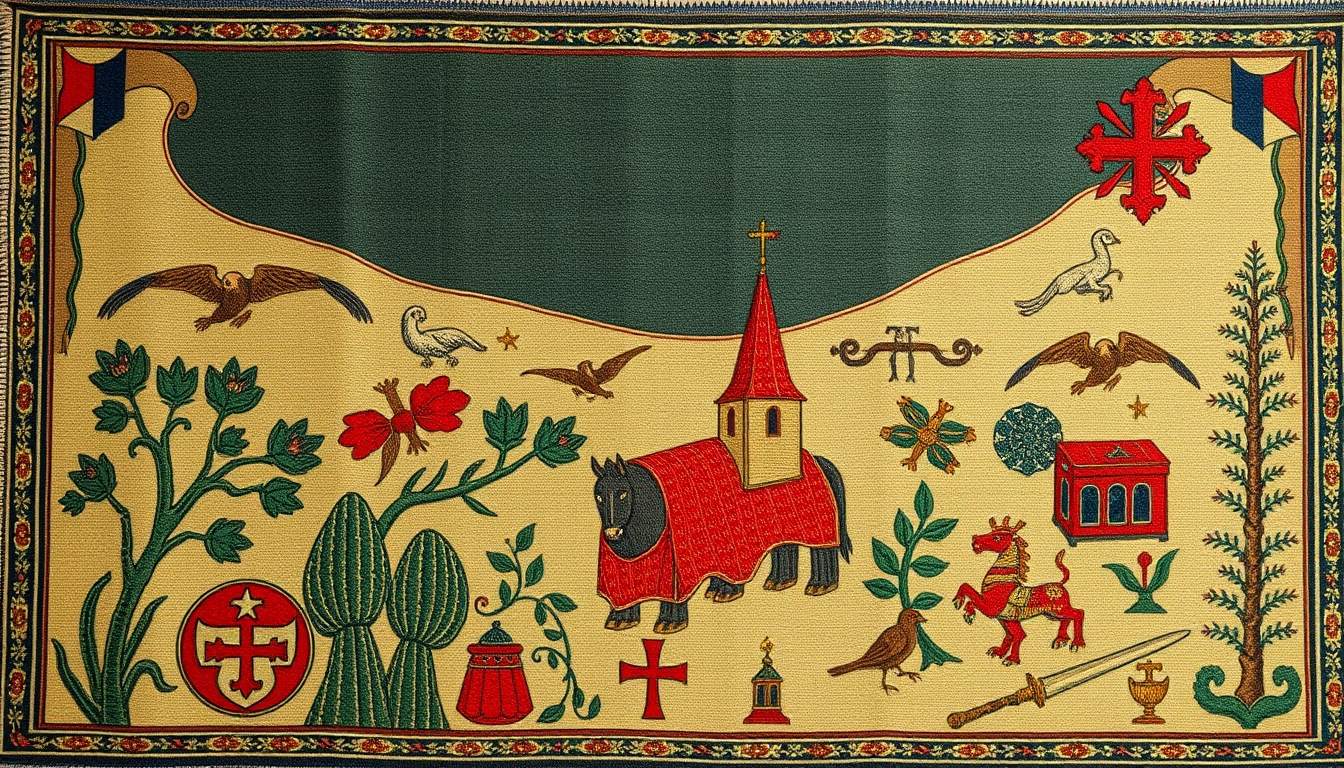
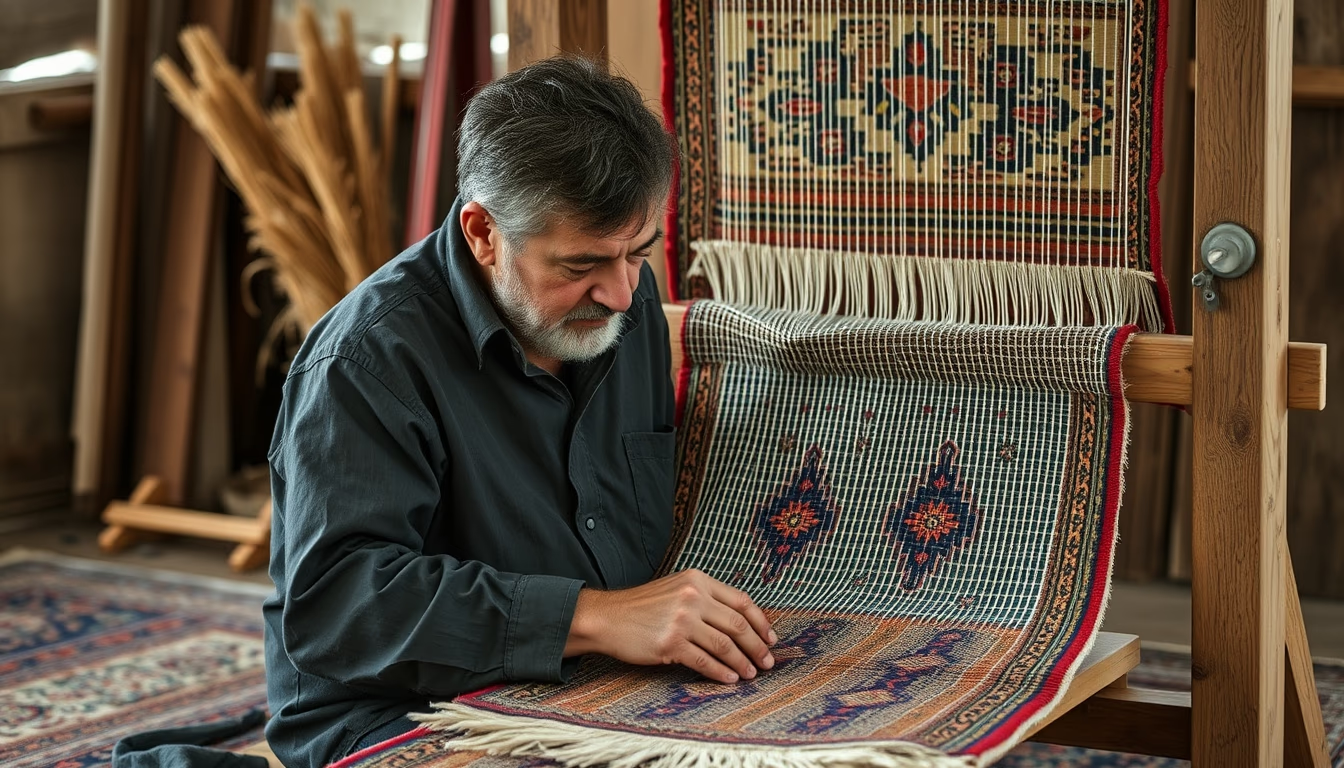
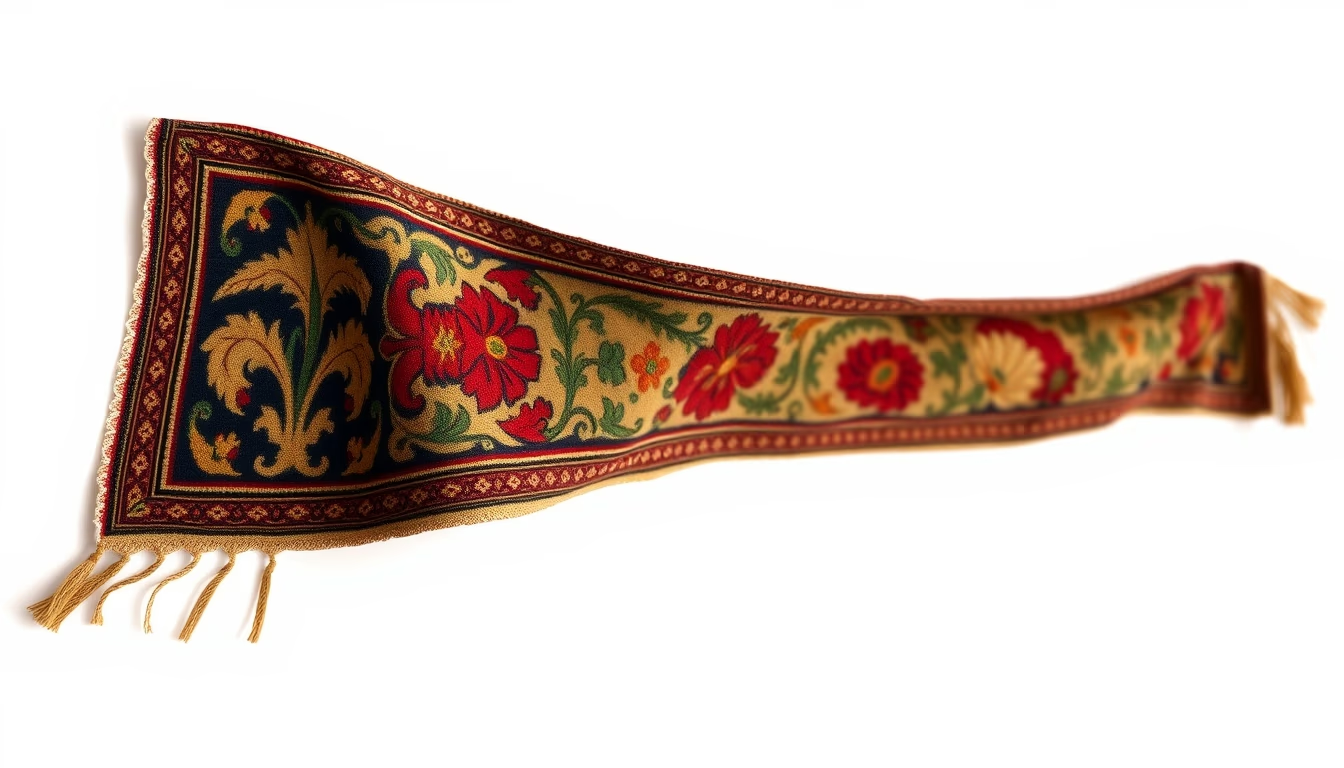
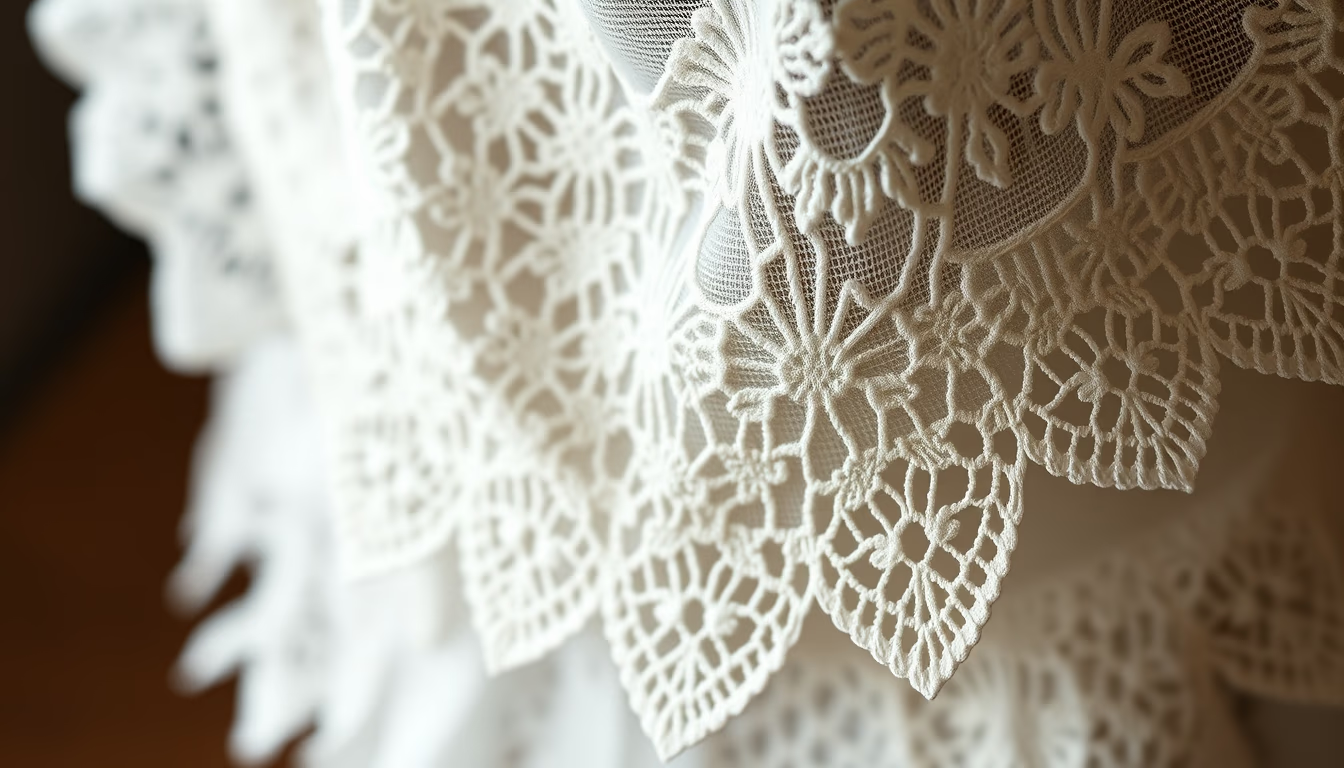
Flemish medieval tapestries, produced between the 14th and 16th centuries, represent one of the most refined artistic expressions of Europe, combining complex textile technique and visual narratives.
About this subject
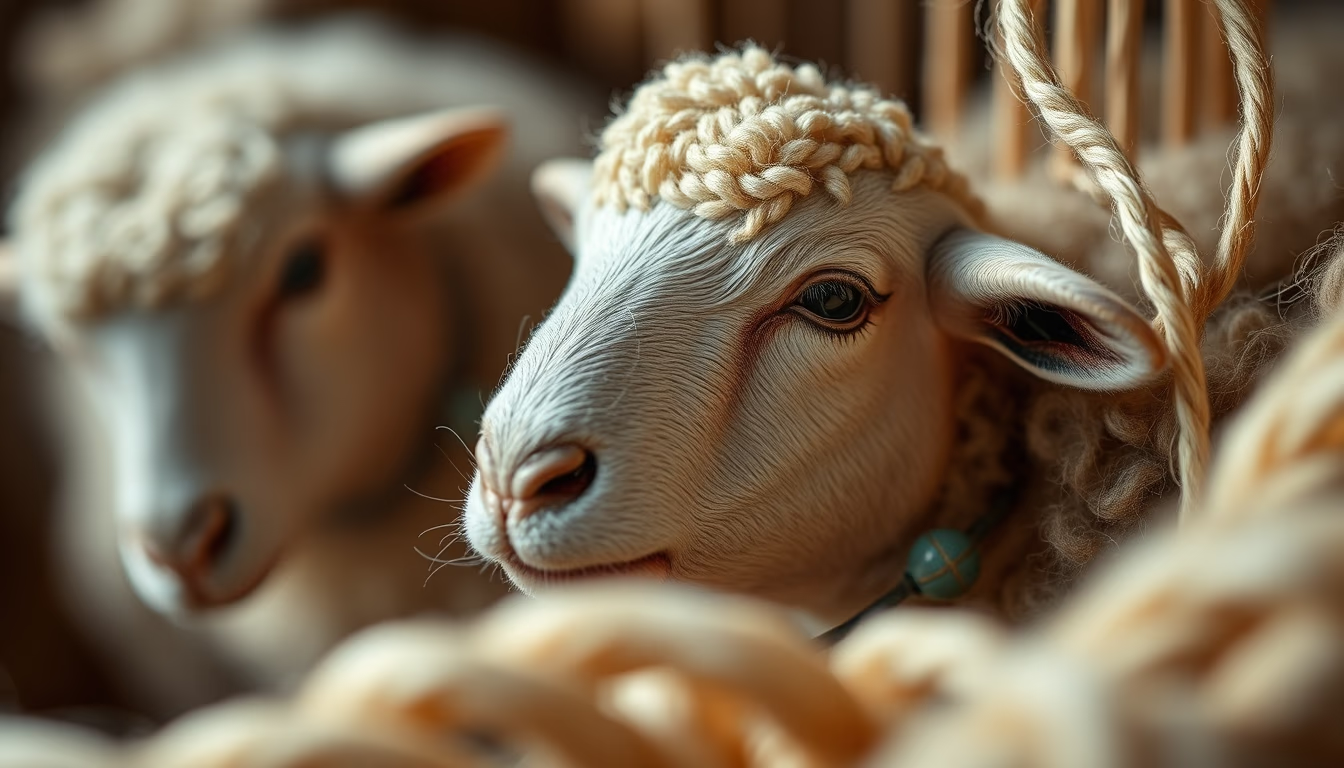
Flemish medieval tapestries were woven primarily in the urban centers of Flanders, such as Brussels, Bruges, and Tournai, which dominated the European tapestry market between the 14th and 16th centuries. They were made on high-warp looms, using wool yarns dyed with natural colors (like madder, woad, and cochineal) and often enriched with silk and metallic threads of gold and silver for the most luxurious pieces.
The compositions depicted historical, mythological, religious or allegorical scenes, often based on designs by renowned painters such as Bernard van Orley and Raphael (via cartoons sent from Italy). The term "millefleurs" describes the characteristic background of many pieces, covered with small wildflowers. The production of a single tapestry could take years of work by several weavers, and its value was so high that kings and nobles used them as symbols of power and wealth, carrying them on journeys to insulate castle walls.
An interesting fact is that during the French invasion of Flanders in the late 15th century, many weavers migrated to other regions, spreading the technique across Europe. Today, original examples can be seen in museums such as the Musée de Cluny (Paris), the Metropolitan Museum of Art (New York), and the Museu Nacional de Arte Antiga (Lisbon), as well as royal collections like those of the Palacios de La Granja and the Prado.
Frequently Asked Questions
What characterizes a Flemish medieval tapestry?
It is characterized by being woven on a high-warp loom, with naturally dyed wool and details in silk and metallic threads. Themes include historical or mythological scenes, many pieces feature a "millefleurs" background, and borders are often decorated with coats of arms or plant elements.
What were the main production centers of tapestries in medieval Flanders?
The cities of Brussels, Bruges, and Tournai were the most important centers. Brussels became especially known for the high quality of its tapestries from the 15th century, attracting commissions from kings across Europe.
How did Flemish tapestries influence European art?
They served as models for productions in other countries, spreading the technique and style through the migration of weavers. Additionally, the cartoons used for the tapestries were often created by major painters, influencing later painting and tapestry.
Direct URL
https://pub-c7d6a6ea828543ac903a74a341ccb2e1.r2.dev/imagens/tapestry-medieval-flemish-isometric-flat-lay-fresh6.avifHow to credit
Include a visible link back to UtilizAí. Copy one of the snippets below:
<a href="https://xn--utiliza-eza.com/en/midia/imagens/tapestry-medieval-flemish-isometric-flat-lay-fresh6">Tapestry medieval flemish</a> by <a href="https://xn--utiliza-eza.com">UtilizAí</a>, licensed under <a href="https://creativecommons.org/licenses/by/4.0/">CC BY 4.0</a>.
[Tapestry medieval flemish](https://xn--utiliza-eza.com/en/midia/imagens/tapestry-medieval-flemish-isometric-flat-lay-fresh6) by [UtilizAí](https://xn--utiliza-eza.com), CC BY 4.0
License: CC-BY-4.0