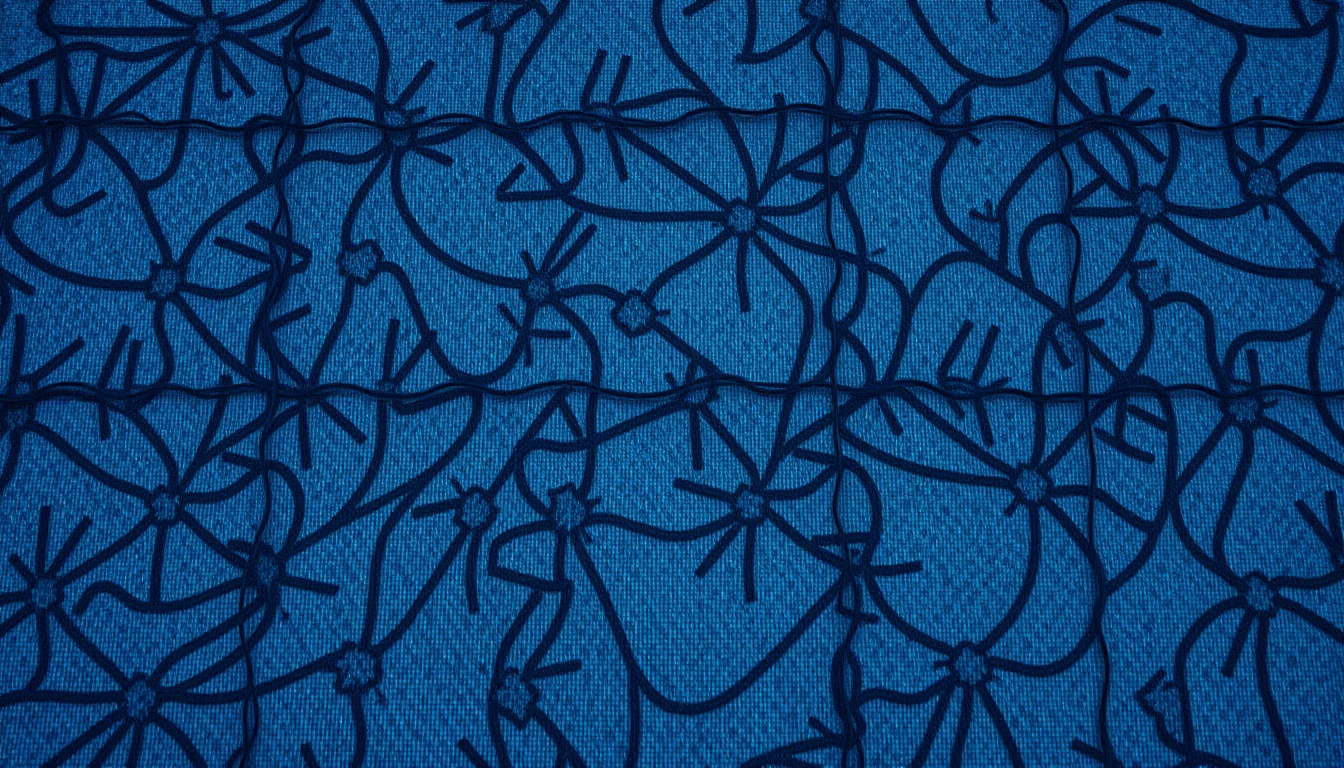
Tapestry medieval flemish
1344×768 · AVIF · CC BY 4.0
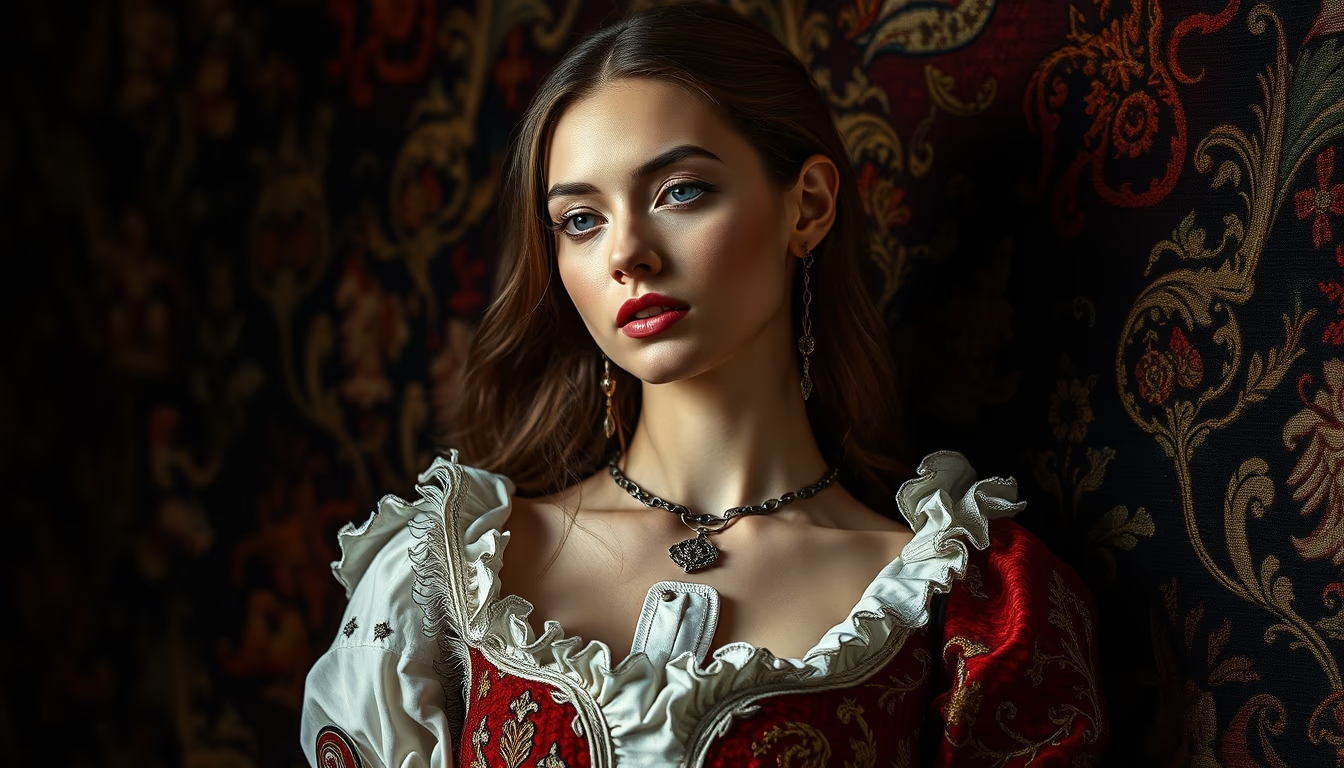
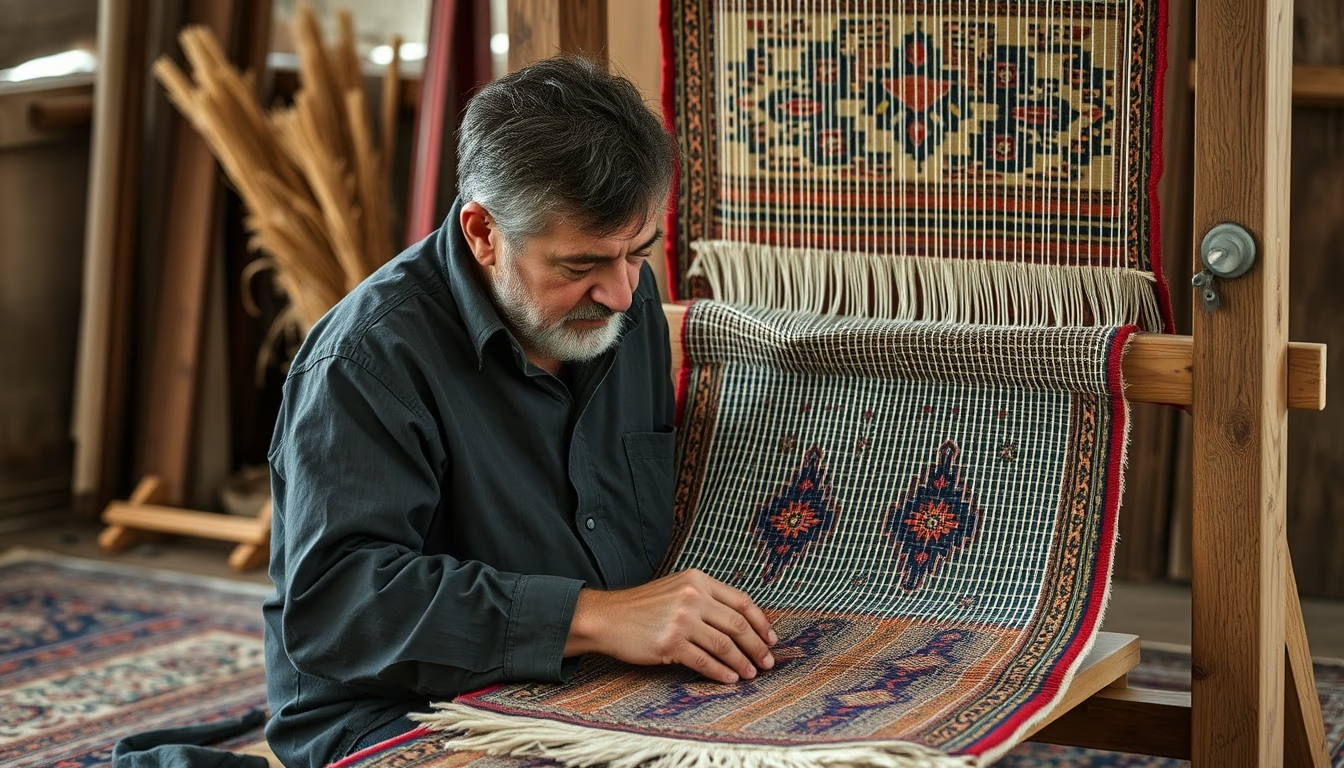
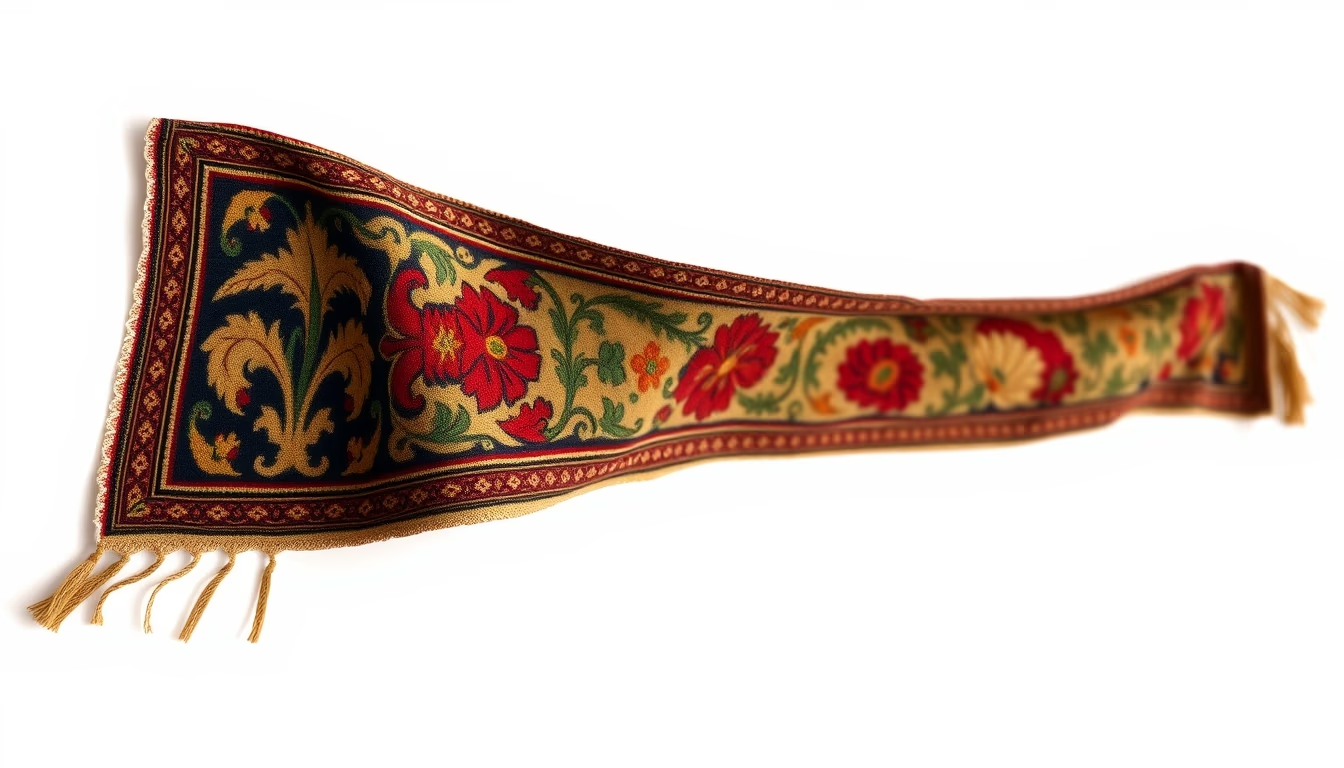
Medieval Flemish tapestry, produced in the 15th and 16th centuries in the Flanders region, represents a textile art form of high historical and artistic value.
About this subject
Medieval Flemish tapestries are among the highest exponents of European textile art. Produced mainly in the cities of Brussels, Tournai, and Arras during the 15th and 16th centuries, these pieces were hand-woven on looms using wool, silk, and sometimes gold and silver threads. Themes included biblical, mythological, hunting scenes, and allegories, often based on cartoons drawn by renowned artists such as Bernard van Orley. The Flemish tapestry technique was complex: weavers followed the design reversed, and the weft completely concealed the warp, resulting in detailed and colorful images. These tapestries were status symbols of wealth, commissioned by nobles, churches, and monarchs across Europe, such as the famous series The Lady and the Unicorn, although that is French. The trade of Flemish tapestries was so significant that it boosted the regional economy and set a quality standard that influenced other European manufactures. Interestingly, Flanders dominated this market thanks to the combination of high-quality English wool and the skill of local weavers, who passed down knowledge through generations. Many tapestries survive in museums like the Metropolitan Museum of Art and the Rijksmuseum, studied as historical documents and masterpieces of decorative art.
Frequently Asked Questions
What is the difference between Flemish and French tapestry?
Flemish tapestry, produced in Flanders (modern Belgium), was distinguished by the use of high-quality English wool and refined weaving technique with finer threads and higher density. French tapestry, like Gobelins, developed later and often received Flemish influence but with its own color palettes and styles.
How were medieval tapestries used in the Middle Ages?
Besides decoration, they provided thermal insulation for stone castle walls, divided rooms, and demonstrated political and economic power. They were also portable, accompanying nobles on travels between residences.
What are tapestry 'cartoons'?
Cartoons were full-scale preparatory drawings that guided weavers. Renowned artists like Van Orley created these cartoons, which were then reversed and followed during weaving to ensure compositional fidelity.
Direct URL
https://pub-c7d6a6ea828543ac903a74a341ccb2e1.r2.dev/imagens/tapestry-medieval-flemish-high-fashion-editorial-fresh0.avifHow to credit
Include a visible link back to UtilizAí. Copy one of the snippets below:
<a href="https://xn--utiliza-eza.com/en/midia/imagens/tapestry-medieval-flemish-high-fashion-editorial-fresh0">Tapestry medieval flemish</a> by <a href="https://xn--utiliza-eza.com">UtilizAí</a>, licensed under <a href="https://creativecommons.org/licenses/by/4.0/">CC BY 4.0</a>.
[Tapestry medieval flemish](https://xn--utiliza-eza.com/en/midia/imagens/tapestry-medieval-flemish-high-fashion-editorial-fresh0) by [UtilizAí](https://xn--utiliza-eza.com), CC BY 4.0
License: CC-BY-4.0