Tapestry medieval flemish
1344×768 · AVIF · CC BY 4.0
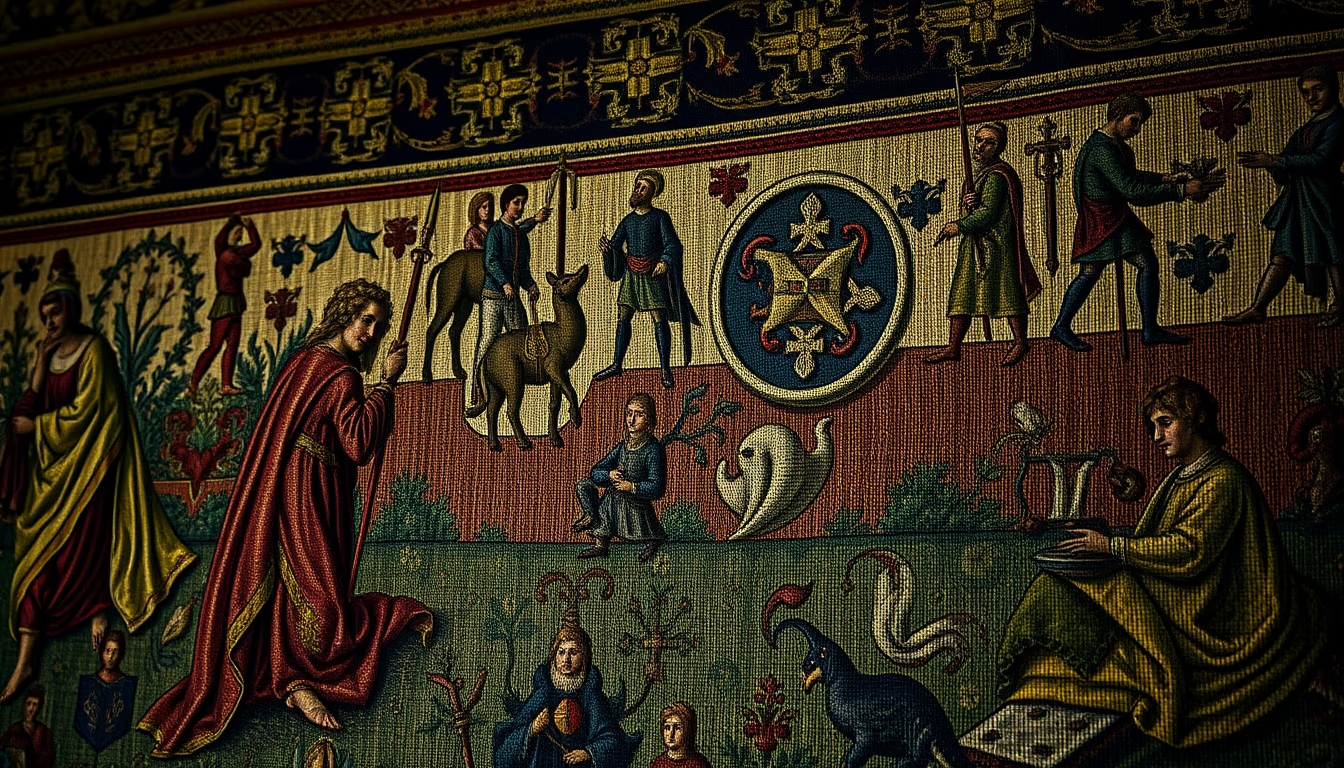
Medieval Flemish tapestries are textile masterpieces produced from the 14th to 16th centuries, renowned for technical refinement and complex narratives.
About this subject
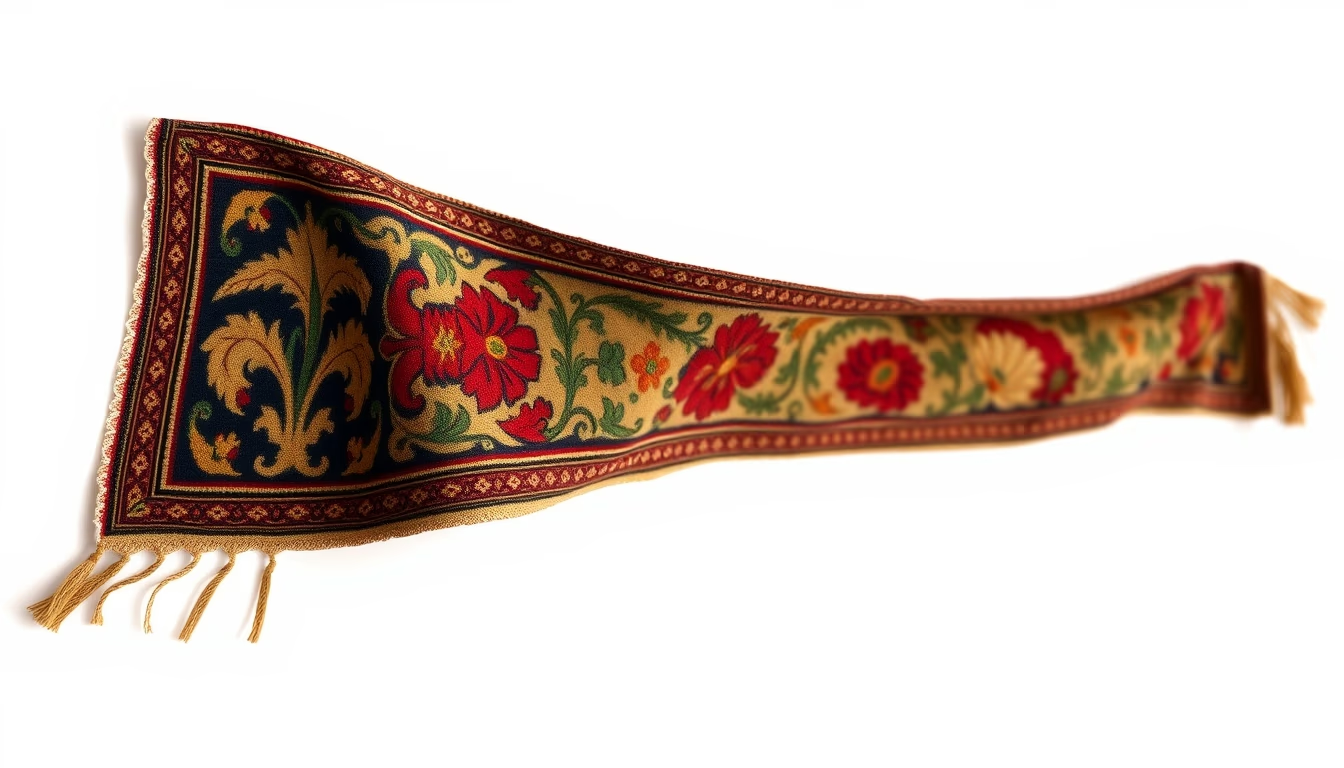
Medieval Flemish tapestries flourished in the 14th, 15th and 16th centuries, mainly in the textile centres of the Burgundian Netherlands, such as Brussels, Bruges, Tournai and Arras. These cities dominated high-warp and low-warp loom production, using wool, silk, and gold and silver threads. Themes ranged from religious and mythological scenes to historical events and courtly allegories. Patrons were nobles and wealthy burghers who commissioned these pieces as status symbols and to decorate castles and churches.
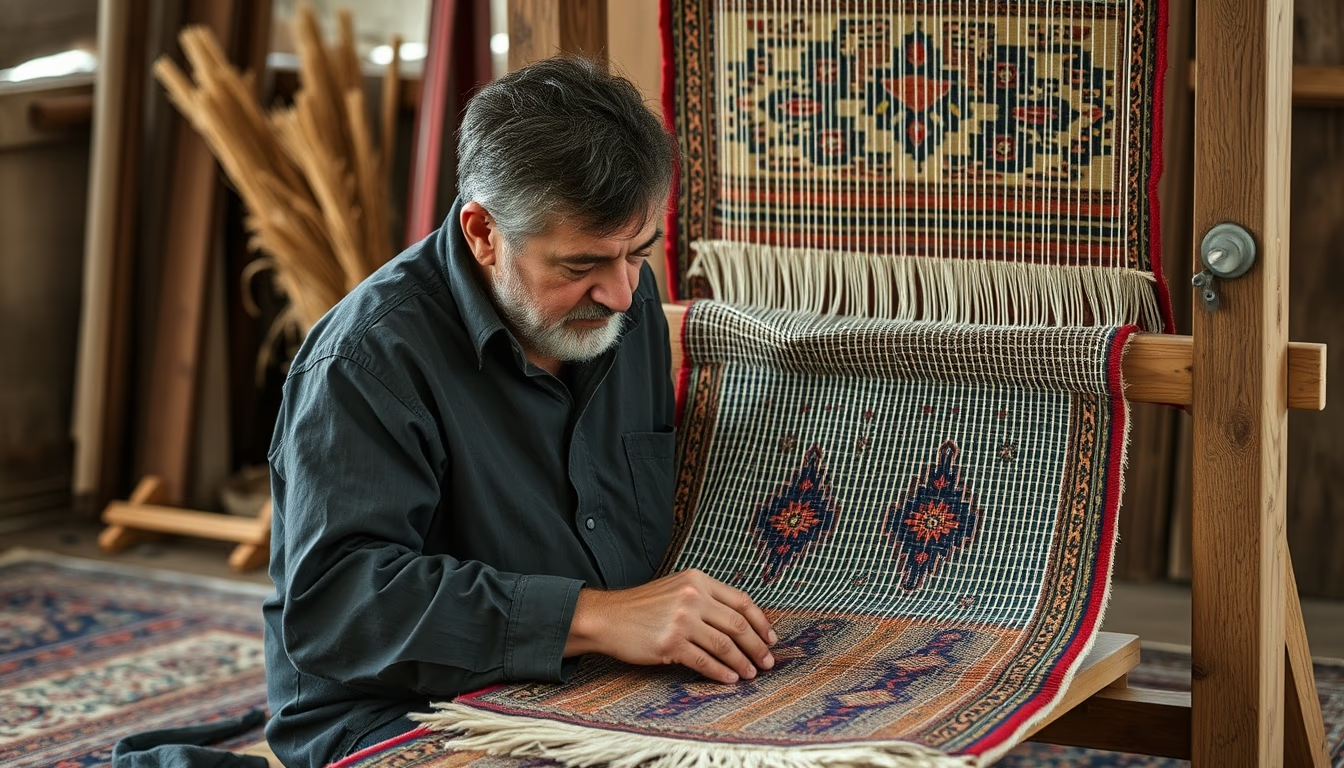
The weaving technique required exceptional skill: artisans worked from cartoons (preparatory designs) supplied by renowned painters, such as followers of Rogier van der Weyden. Threads were interwoven by hand to create minute details and vibrant colours. Tapestries also served as thermal insulation in damp environments and were easily transportable to accompany nobles on their travels.
The famous 'Lady and the Unicorn' series (late 15th century) exemplifies the symbolic and aesthetic richness of these works. Each tapestry represents one of the five senses, with a millefleurs background and elegant figures. Another iconic example is 'The Hunt of the Unicorn', which combines hunting scenes with Christian symbolism. Production declined in the 17th century with the rise of French tapestry, but the Flemish legacy remains one of the pinnacles of European textile art.
Frequently Asked Questions
What characterizes a medieval Flemish tapestry?
Medieval Flemish tapestries are woven with wool, silk, and precious metals, featuring complex narrative themes (religious, mythological, courtly). They stand out for their high-warp or low-warp technique and the influence of painters like Rogier van der Weyden.
Where were these tapestries produced?
The main production centers were Brussels, Bruges, Tournai, and Arras, in the Burgundian Netherlands (modern-day Belgium and northern France).
What is the cultural significance of Flemish tapestries?
They were status symbols and wealth displays, adorned castles and churches, provided thermal insulation, and conveyed visual stories to a largely illiterate population. They influenced European tapestry for centuries.
Direct URL
https://pub-c7d6a6ea828543ac903a74a341ccb2e1.r2.dev/imagens/tapestry-medieval-flemish-fine-art-photography-fresh16.avifHow to credit
Include a visible link back to UtilizAí. Copy one of the snippets below:
<a href="https://xn--utiliza-eza.com/en/midia/imagens/tapestry-medieval-flemish-fine-art-photography-fresh16">Tapestry medieval flemish</a> by <a href="https://xn--utiliza-eza.com">UtilizAí</a>, licensed under <a href="https://creativecommons.org/licenses/by/4.0/">CC BY 4.0</a>.
[Tapestry medieval flemish](https://xn--utiliza-eza.com/en/midia/imagens/tapestry-medieval-flemish-fine-art-photography-fresh16) by [UtilizAí](https://xn--utiliza-eza.com), CC BY 4.0
License: CC-BY-4.0