Taj mahal symmetric reflection
1344×768 · AVIF · CC BY 4.0
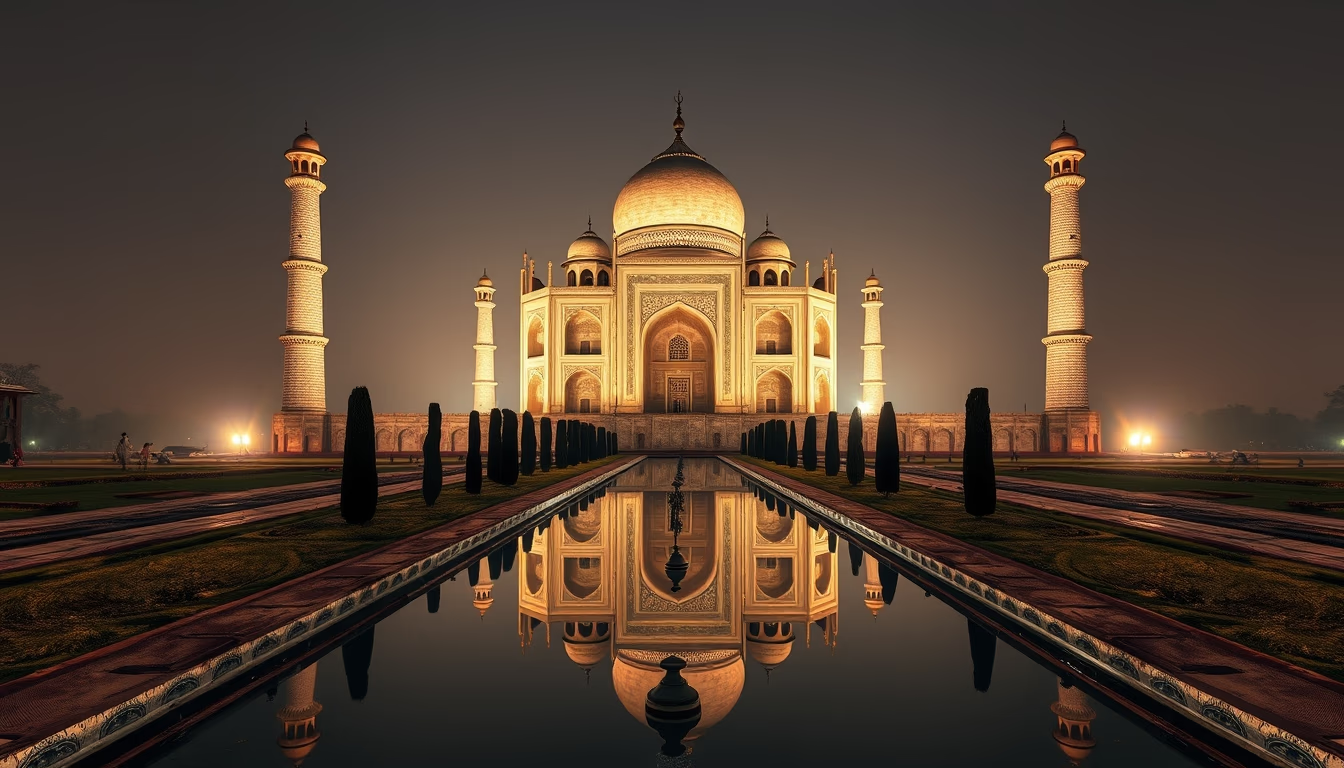
The Taj Mahal in Agra, India, is a white marble mausoleum built by Emperor Shah Jahan in memory of his wife Mumtaz Mahal, with gardens and a reflecting pool that enhance its perfect symmetry.
About this subject
The Taj Mahal is one of the most iconic monuments in the world, located in Agra, on the banks of the Yamuna River. It was commissioned by Mughal Emperor Shah Jahan in 1632 to house the tomb of his favorite wife, Mumtaz Mahal. Construction took about 22 years and involved thousands of artisans. The main structure is made of white marble quarried from Makrana, Rajasthan, and decorated with inlay work using semiprecious stones like jade, crystal, and turquoise. Symmetry is one of its most striking features: the central building, minarets, gardens, and the grand entrance gate are perfectly aligned along an axis. The reflecting pool in the Charbagh garden amplifies this symmetry, creating an illusion that the main dome floats on water at dawn and dusk. The Taj Mahal has been a UNESCO World Heritage Site since 1983 and attracts millions of visitors annually. The marble is believed to change color throughout the day, reflecting the hues of the sky. The main dome is about 35 meters high and is flanked by four smaller domes. The complex also includes a mosque and a guest house, both made of red sandstone. The construction involved about 20,000 workers, including calligraphers, jewelers, and stone carvers.
Frequently Asked Questions
Why is the Taj Mahal considered a masterpiece of symmetry?
The Taj Mahal was designed with perfect axial symmetry. The central mausoleum, minarets, gardens, and entrance gate are aligned on a single axis. The reflecting pool visually duplicates the structure, enhancing the symmetry.
What is the significance of the reflecting pool in the Charbagh garden?
The reflecting pool not only beautifies the garden but also serves to amplify the Taj Mahal's symmetry. It creates a mirrored image of the monument, symbolizing spiritual reflection in the Islamic paradise.
How many tourists visit the Taj Mahal each year?
The Taj Mahal receives about 7 to 8 million visitors annually, making it one of the most popular tourist destinations in the world. On peak days, it can receive over 50,000 people.
Direct URL
https://pub-c7d6a6ea828543ac903a74a341ccb2e1.r2.dev/imagens/taj-mahal-symmetric-reflection-fine-art-photography-p6.avifHow to credit
Include a visible link back to UtilizAí. Copy one of the snippets below:
<a href="https://xn--utiliza-eza.com/en/midia/imagens/taj-mahal-symmetric-reflection-fine-art-photography-p6">Taj mahal symmetric reflection</a> by <a href="https://xn--utiliza-eza.com">UtilizAí</a>, licensed under <a href="https://creativecommons.org/licenses/by/4.0/">CC BY 4.0</a>.
[Taj mahal symmetric reflection](https://xn--utiliza-eza.com/en/midia/imagens/taj-mahal-symmetric-reflection-fine-art-photography-p6) by [UtilizAí](https://xn--utiliza-eza.com), CC BY 4.0
License: CC-BY-4.0