Taiko drum japanese
1344×768 · AVIF · CC BY 4.0
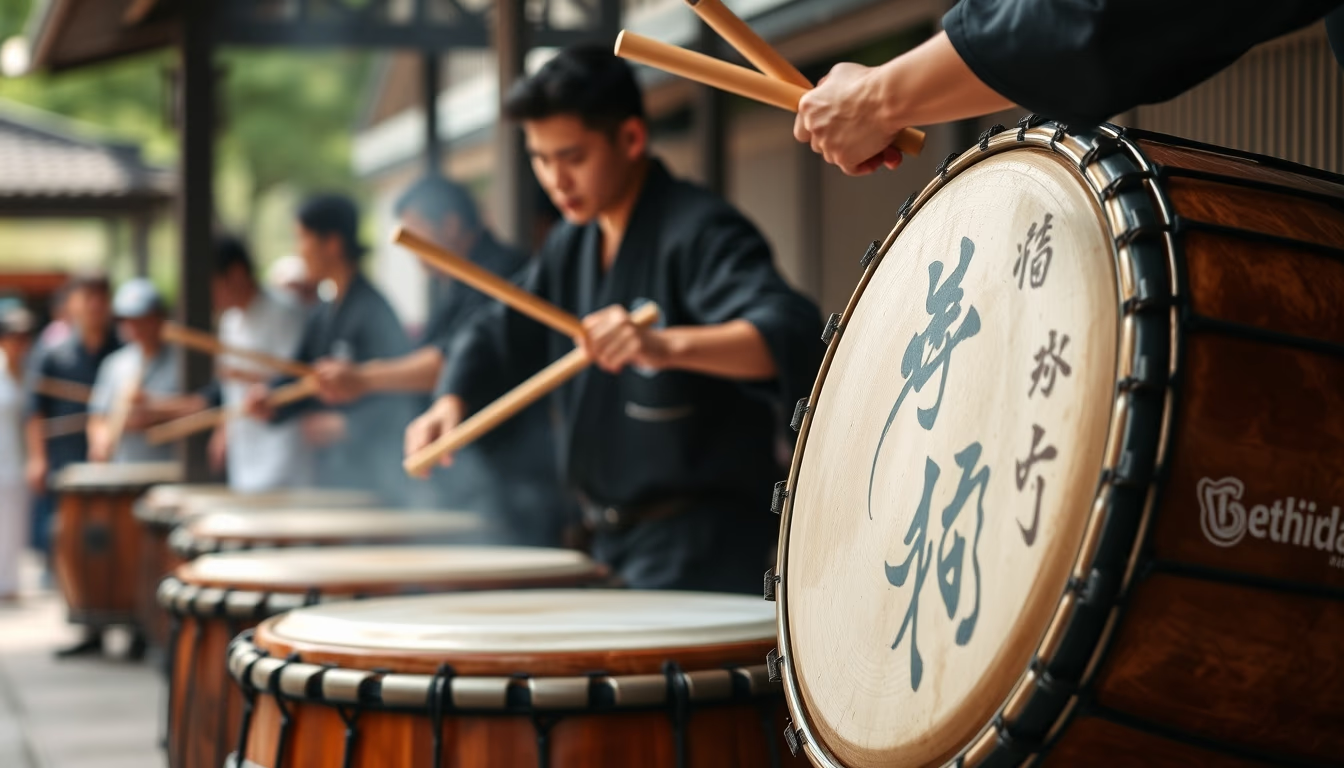
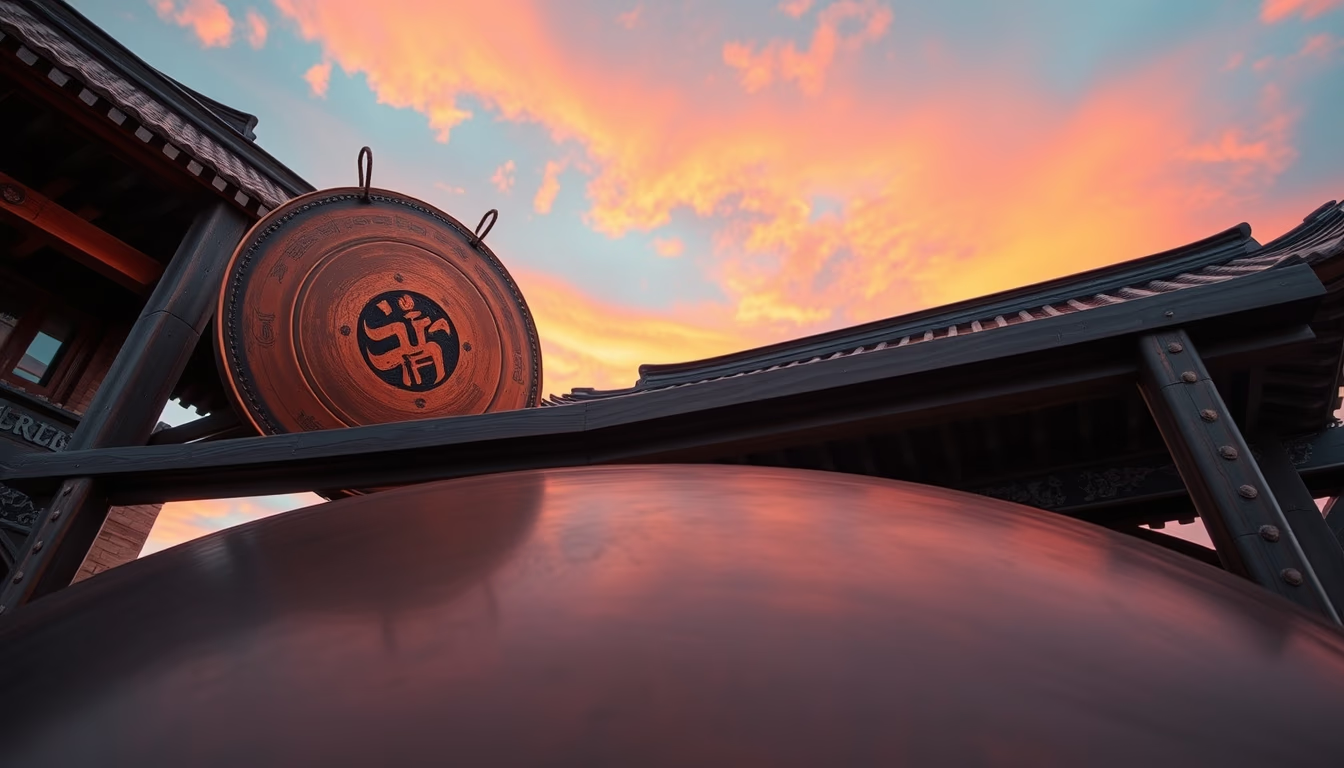
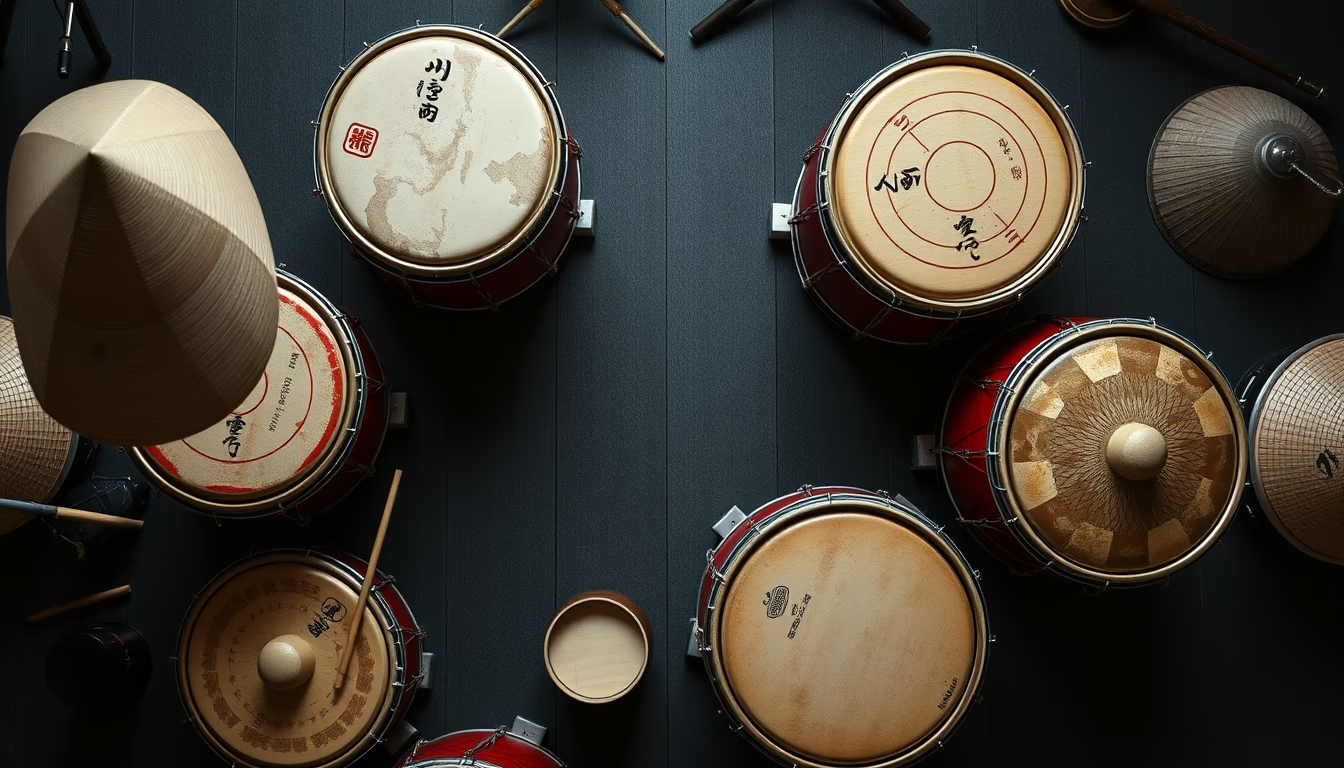
Taiko, large Japanese drums, blend deep sound and physical performance in festivals and centuries-old ceremonies.
About this subject
Taiko is a Japanese drum with a history spanning over a thousand years, tracing back to the Kofun period (300, 538 AD). Initially used in Shinto and Buddhist rituals, taiko also served for village communication and battlefield commands to intimidate enemies. Drums are handcrafted from keyaki (zelkova) wood, carved and covered with cow or horse hide stretched over metal rims. Each taiko produces a unique sound, ranging from deep bass to sharp treble, depending on size and hide tension. Variants include the nagado-daiko (long drum), shime-daiko (adjustable drum), and o-daiko (giant drum, sometimes over two meters in diameter).
Modern taiko performance, known as kumi-daiko, emerged in post-World War II Japan, popularized by groups like Ondekoza and Kodo (based on Sado Island). Kodo means "drum child" and is globally renowned for blending rhythmic virtuosity with intense choreography. Kumi-daiko transformed taiko from a ritual instrument into a performing art, often showcased at festivals (matsuri), theaters, and competitions. Playing requires not only musical skill but also physical strength, as drums are struck with thick wooden beaters (bachi) using full-body movements.
Culturally, taiko symbolizes unity, energy, and spirituality. At festivals like Awa Odori and Gion Matsuri, taiko drums set the rhythm for dances and processions. In Brazil, the Japanese-Brazilian community preserves the tradition, with groups such as Wadaiko Sho in São Paulo performing at cultural events. Taiko has also influenced popular music, appearing in film scores like "The Last Samurai" and collaborations with Western artists. The practice promotes discipline, teamwork, and respect, now taught in schools and dojos worldwide.
Frequently Asked Questions
What is the difference between taiko and other drums?
Taiko are Japanese drums traditionally made of keyaki wood and animal hide, ranging in size from small to gigantic. They differ due to their handcrafted construction, versatile sound, ritualistic use, and playing technique involving full-body movements.
Is taiko only used in religious ceremonies?
No. Originally yes, but today taiko is performed at festivals, artistic shows, competitions, and even in film scores. Modern kumi-daiko is a spectacle combining music and physical performance.
How did taiko arrive in Brazil?
It was brought by Japanese immigrants in the early 20th century. The Japanese-Brazilian community maintains taiko groups, such as Wadaiko Sho, performing at festivals and cultural events, preserving and spreading the tradition.
Direct URL
https://pub-c7d6a6ea828543ac903a74a341ccb2e1.r2.dev/imagens/taiko-drum-japanese-national-geographic-style-p5.avifHow to credit
Include a visible link back to UtilizAí. Copy one of the snippets below:
<a href="https://xn--utiliza-eza.com/en/midia/imagens/taiko-drum-japanese-national-geographic-style-p5">Taiko drum japanese</a> by <a href="https://xn--utiliza-eza.com">UtilizAí</a>, licensed under <a href="https://creativecommons.org/licenses/by/4.0/">CC BY 4.0</a>.
[Taiko drum japanese](https://xn--utiliza-eza.com/en/midia/imagens/taiko-drum-japanese-national-geographic-style-p5) by [UtilizAí](https://xn--utiliza-eza.com), CC BY 4.0
License: CC-BY-4.0