Taiko drum japanese
1344×768 · AVIF · CC BY 4.0
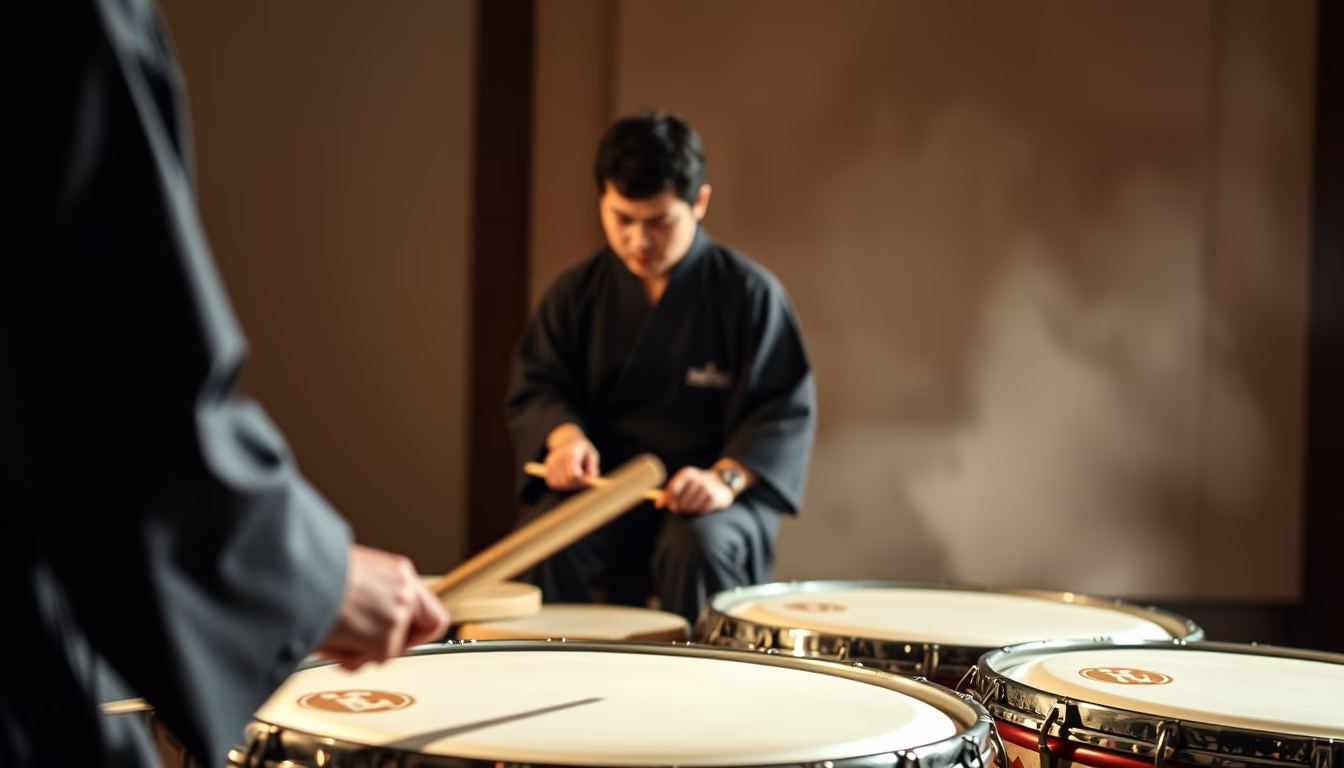
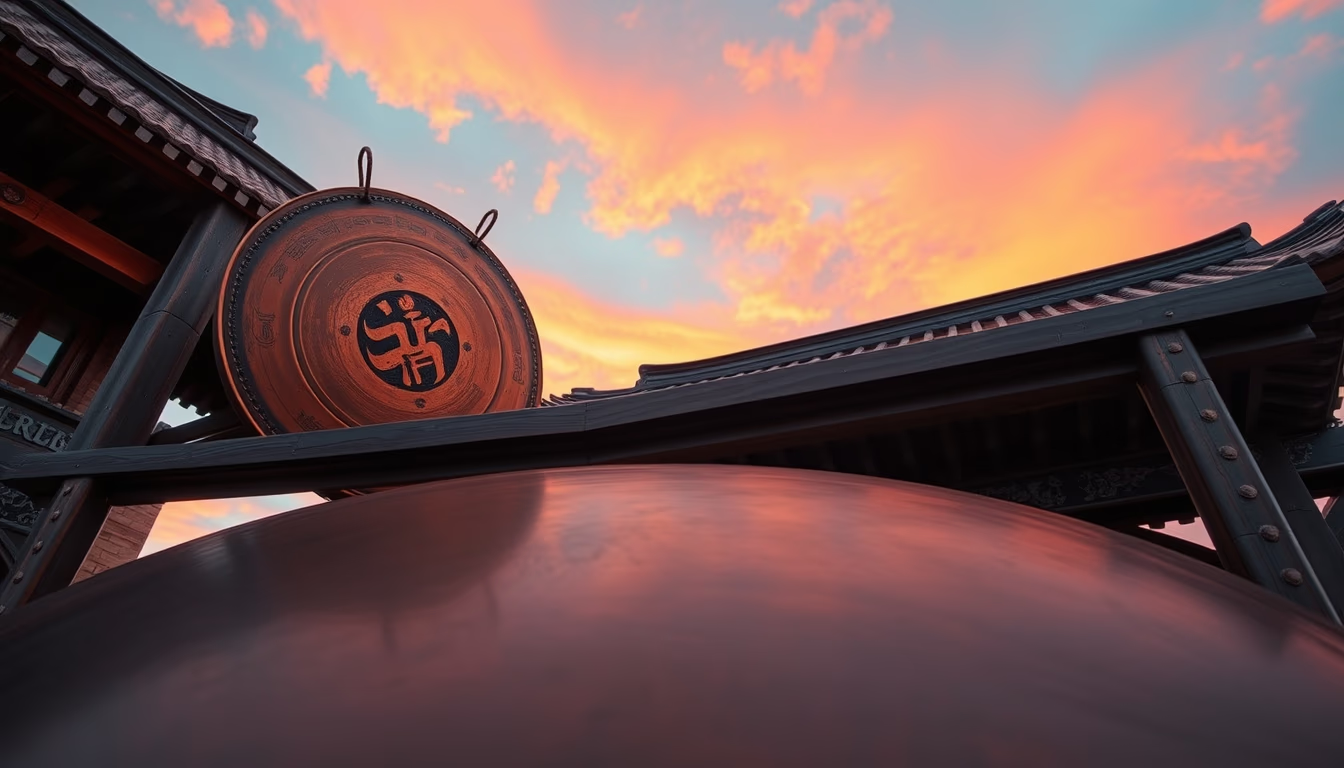
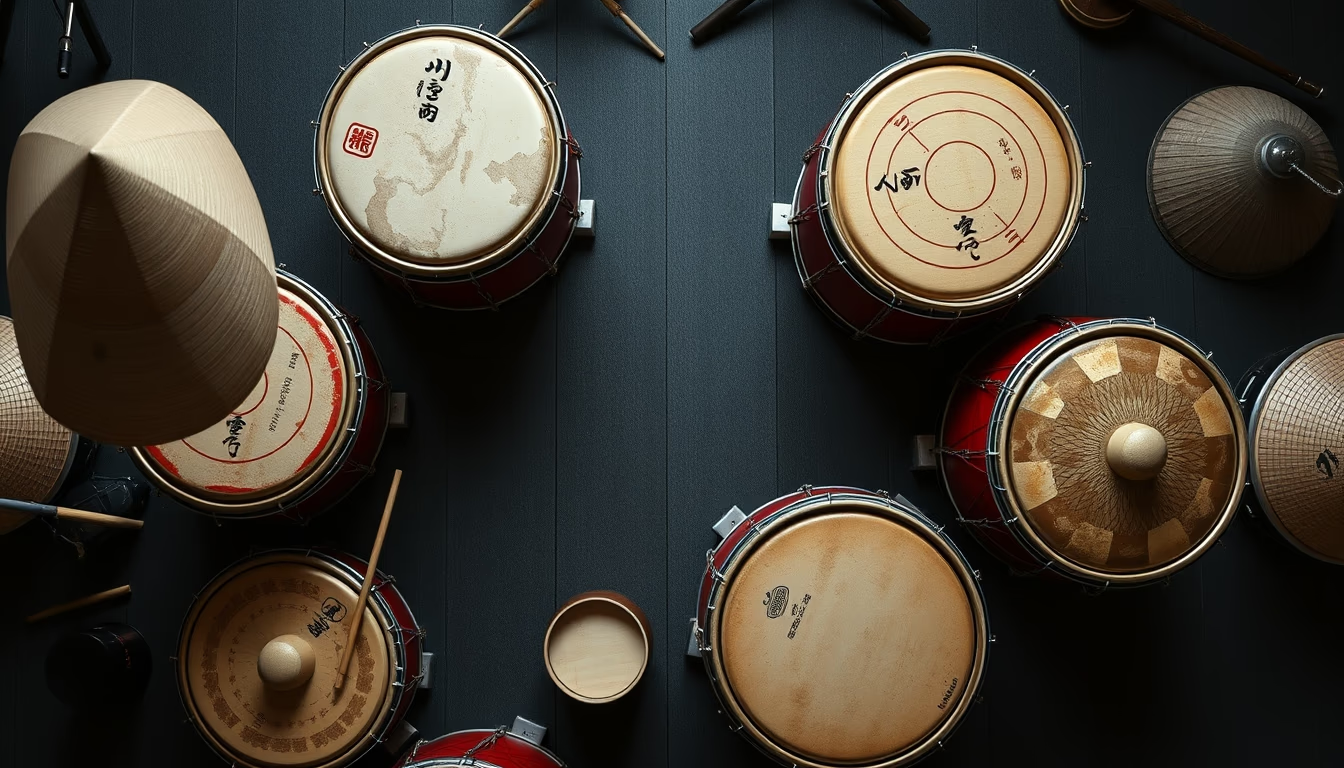
Taiko is a traditional Japanese drum used in ceremonies and festivals, with rhythmic beats expressing energy and spirituality.
About this subject
Taiko, literally 'big drum' in Japanese, is one of the most iconic instruments of Japanese culture. Its origins date back to the Yayoi period (300 BC, 300 AD), when drums were used in Shinto rituals to call upon the gods. During the feudal era, taiko was employed on battlefields to coordinate troops, transmit orders, and intimidate enemies. From the Edo period (1603, 1868), the instrument became popular in religious and community festivals, such as Bon Odori, where it marks the rhythm for dances.
There are several types of taiko. The nagado-daiko, with a long carved wooden body and cowhide stretched taut, is the most well-known. The shime-daiko is smaller and higher-pitched, tuned with ropes. Each drum is handcrafted, often from zelkova or oak wood. The hide is tensioned with tacks or ropes, and striking with wooden sticks (bachi) produces deep or sharp sounds depending on force and drum area.
The modern practice of taiko, called kumi-daiko (ensemble playing), was systematized in postwar Japan, notably by Daihachi Oguchi and the group Kodo. Formed in 1971 on Sado Island, Kodo became a global reference, combining precise technique, choreography, and meditation. Today, taiko is practiced worldwide, with groups in countries like Brazil, the United States, and Australia. In Brazil, the Nikkei community keeps the tradition alive, blending Brazilian rhythms into taiko.
Curiosity: the largest taiko drums can be over 3 meters in diameter and require multiple players. The Tokyo Taiko Festival attracts thousands of participants each year. In 2020, the instrument was featured at the opening ceremony of the Tokyo Olympics, symbolizing resilience and Japanese culture. Taiko is not just percussion; it is a spiritual expression that connects body, soul, and community.
Frequently Asked Questions
What is the difference between taiko and other drums?
Taiko stands out for its size and group playing style (kumi-daiko). While Western drums have precise tuning, taiko emphasizes natural resonance and physical expression. Its handcrafted construction and use in Shinto rituals are also unique characteristics.
How is a traditional taiko drum made?
The drum body is carved from a single piece of wood (usually zelkova or oak). Cow or horsehide is stretched over the opening and fastened with tacks or ropes. The drying process can take months. Tuning is adjusted by changing the tension of the hide.
What are the main styles of taiko performance?
Kumi-daiko (ensemble playing) features choreography and synchronized movements. Nagauta taiko is used in kabuki theater. Festival taiko, typical of matsuri, has strong, repetitive beats. Kodo's style incorporates meditation and physical endurance.
Direct URL
https://pub-c7d6a6ea828543ac903a74a341ccb2e1.r2.dev/imagens/taiko-drum-japanese-magazine-editorial-p2.avifHow to credit
Include a visible link back to UtilizAí. Copy one of the snippets below:
<a href="https://xn--utiliza-eza.com/en/midia/imagens/taiko-drum-japanese-magazine-editorial-p2">Taiko drum japanese</a> by <a href="https://xn--utiliza-eza.com">UtilizAí</a>, licensed under <a href="https://creativecommons.org/licenses/by/4.0/">CC BY 4.0</a>.
[Taiko drum japanese](https://xn--utiliza-eza.com/en/midia/imagens/taiko-drum-japanese-magazine-editorial-p2) by [UtilizAí](https://xn--utiliza-eza.com), CC BY 4.0
License: CC-BY-4.0