Switzerland alpine village winter
1344×768 · AVIF · CC BY 4.0
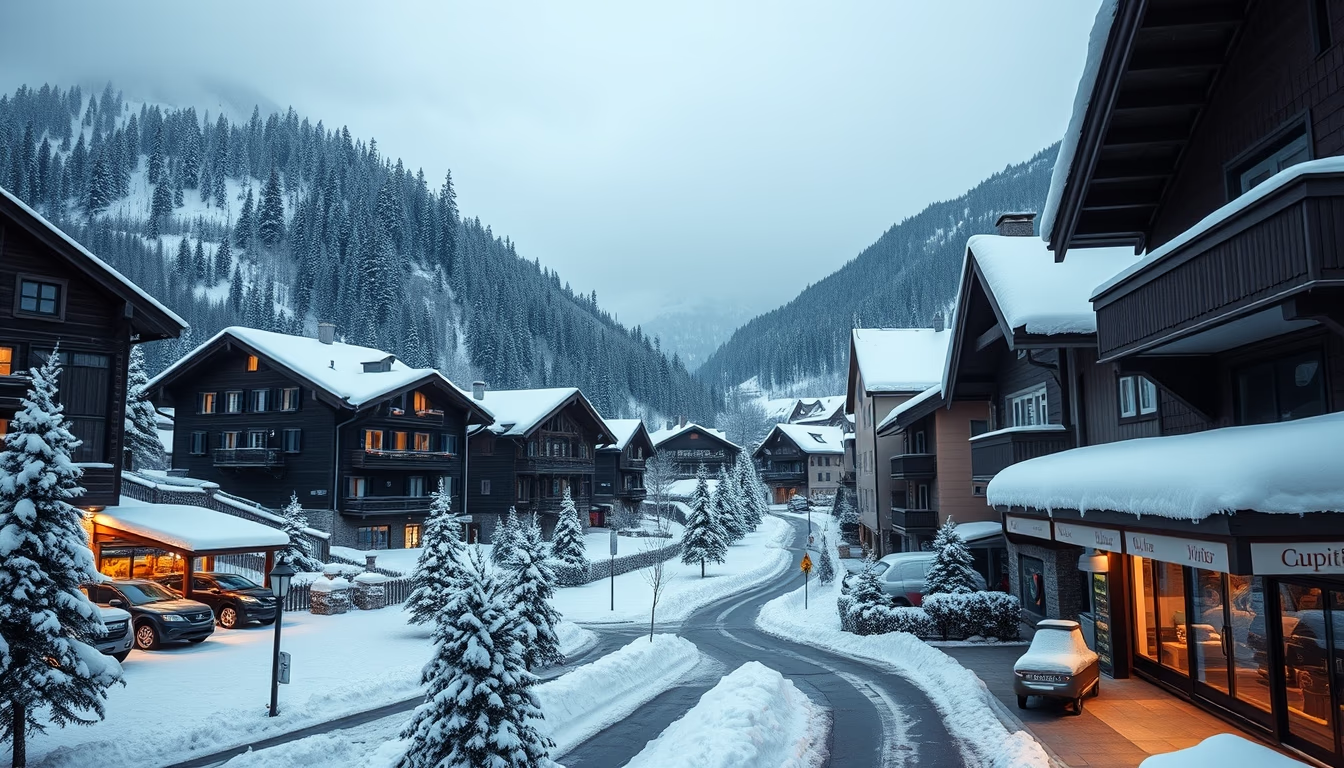
Swiss alpine villages offer snowy landscapes, wooden chalets, and towering mountains, attracting tourists from around the world in winter.
About this subject
Swiss alpine villages, such as Zermatt, Grindelwald, and Mürren, are renowned for their traditional wooden chalets, churches with pointed spiers, and narrow snow-covered streets. Situated at altitudes ranging from 1,000 to 1,650 meters, these locations offer spectacular views of the Alps, including iconic peaks like the Matterhorn and Jungfrau. Winter transforms the region into a breathtaking destination, with temperatures often dropping below freezing and snow cover lasting from December to April.
During the cold season, the villages become hubs for outdoor activities such as skiing, snowboarding, snowshoeing, and horse-drawn sleigh rides. Many towns are connected by cable cars and cogwheel trains, providing access to world-famous ski resorts. Culturally, the charm is undeniable: Christmas markets, cheese fondue in rustic restaurants, and festivals like the Saint Nicholas Parade in Küssnacht am Rigi delight visitors.
An interesting fact is that some alpine villages, like Zermatt, are car-free, preserving clean air and a peaceful atmosphere. Winter tourism is vital to the local economy, generating jobs in hospitality, food service, and retail. Official data shows that Switzerland receives about 10 million tourists annually, many seeking precisely this alpine experience. The blend of pristine nature, centuries-old traditions, and modern infrastructure makes Swiss villages a unique winter destination.
Frequently Asked Questions
What is the best time to visit Swiss alpine villages in winter?
The best time is from December to April, when snow cover is reliable and ski resorts are fully operational. January and February are the coldest months, with the highest chance of fresh snowfall.
What winter activities are most popular in these villages?
The most sought-after activities include alpine and cross-country skiing, snowboarding, snowshoeing, and sleigh rides. Many villages also offer ice skating and spa facilities.
Are Swiss alpine villages accessible for non-skiers?
Yes, they offer plenty of options for non-skiers, such as winter hiking trails, scenic cable cars, local museums, and fondue tastings. Additionally, public transportation is efficient and connects villages to other regions.
Direct URL
https://pub-c7d6a6ea828543ac903a74a341ccb2e1.r2.dev/imagens/switzerland-alpine-village-winter-commercial-product-photography-v9.avifHow to credit
Include a visible link back to UtilizAí. Copy one of the snippets below:
<a href="https://xn--utiliza-eza.com/en/midia/imagens/switzerland-alpine-village-winter-commercial-product-photography-v9">Switzerland alpine village winter</a> by <a href="https://xn--utiliza-eza.com">UtilizAí</a>, licensed under <a href="https://creativecommons.org/licenses/by/4.0/">CC BY 4.0</a>.
[Switzerland alpine village winter](https://xn--utiliza-eza.com/en/midia/imagens/switzerland-alpine-village-winter-commercial-product-photography-v9) by [UtilizAí](https://xn--utiliza-eza.com), CC BY 4.0
License: CC-BY-4.0