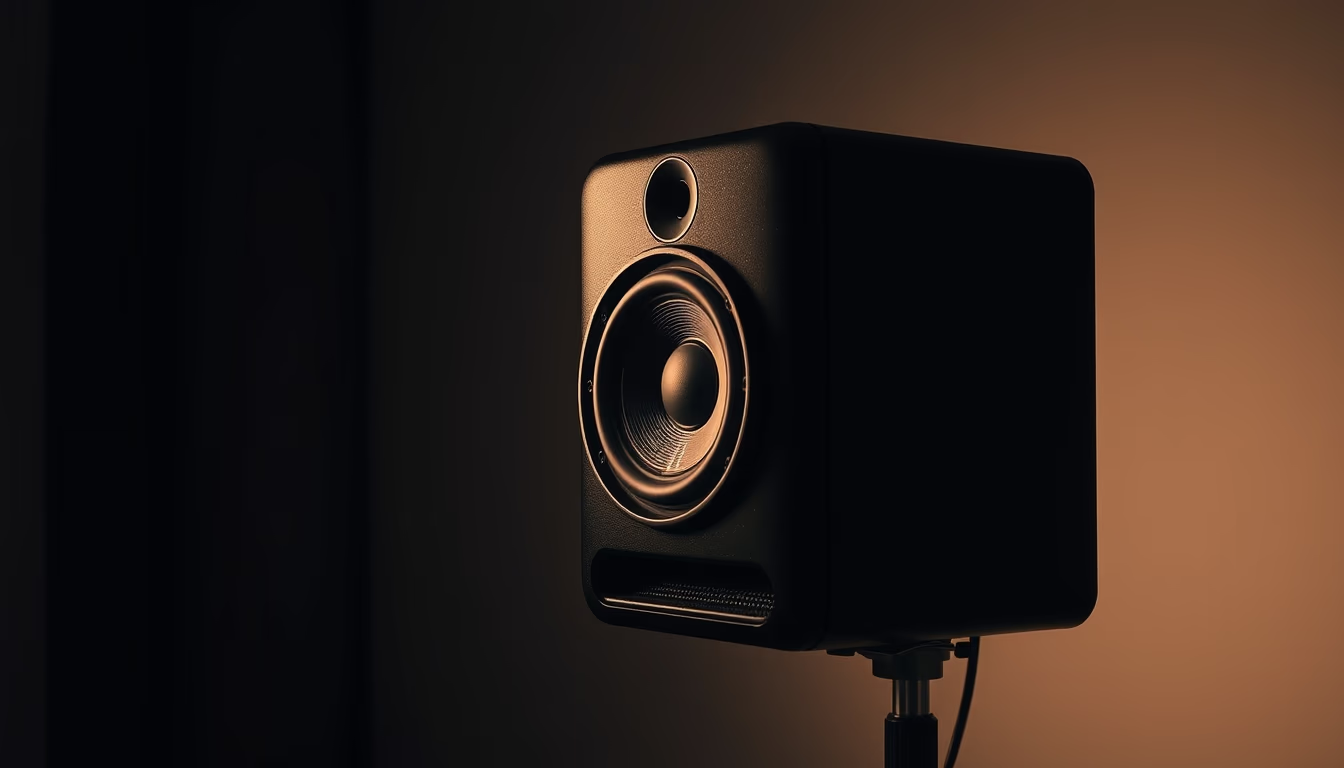
Studio monitor speaker
1344×768 · AVIF · CC BY 4.0
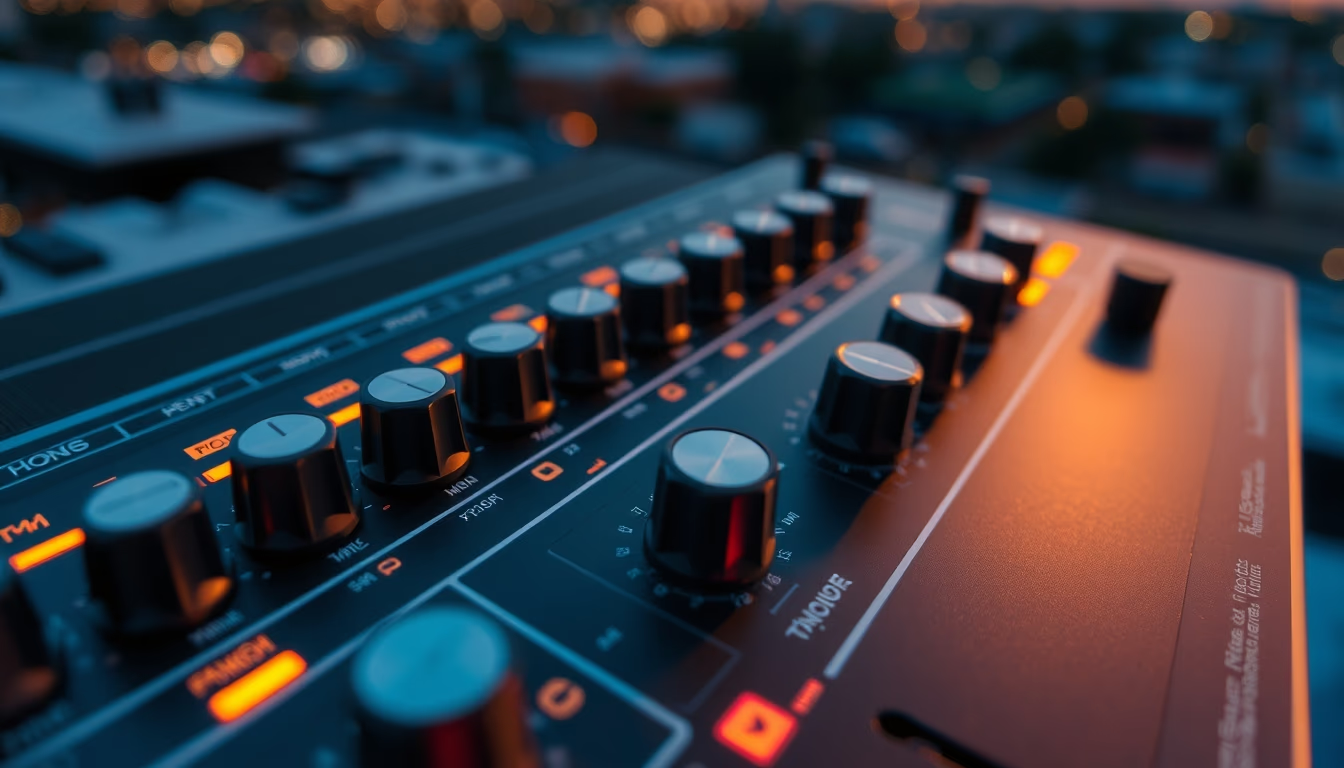
Studio monitor speaker designed for accurate audio monitoring, essential in professional music production and mixing.
About this subject
Studio monitors are loudspeakers designed to reproduce sound with the highest possible fidelity, without coloration or frequency emphasis. Unlike consumer speakers, which often boost bass or treble to please listeners, monitors have a flat frequency response, allowing audio engineers to identify imperfections in a mix. They are used in recording studios, mastering rooms, radio and TV production, and home studios. Proper positioning and room acoustics are crucial to get the best performance from these devices.
There are two main types of studio monitors: active and passive. Active monitors have built-in amplifiers, simplifying setup and ensuring each driver receives optimal power. Passive monitors require external amplification. In terms of configuration, two-way models (woofer and tweeter) are most common, but three-way options with a dedicated midrange driver also exist. Technologies such as waveguides and specialized cone materials (Kevlar, aluminum, fiberglass) aim to reduce distortion and improve sound dispersion.
Some models have become legendary in the industry. The Yamaha NS-10, originally released as a home hi-fi speaker, became a studio staple in the 1980s due to its aggressive midrange response, revealing sibilance and mix issues. Today, brands like Genelec, Adam Audio, KRK, and Focal dominate the market with lines combining precision and innovation. For beginners, it is recommended to invest in studio monitors before acoustic treatment, as they already provide valuable insight into mix quality.
Frequently Asked Questions
What is the difference between a studio monitor and a regular speaker?
Studio monitors have a flat frequency response, reproducing audio without boosts or cuts. Regular speakers often emphasize bass or treble to sound more pleasing, masking imperfections in a mix.
Do I need acoustic treatment to use studio monitors?
Acoustic treatment improves listening accuracy by reducing reflections and resonances, but it is not mandatory. Even without treatment, studio monitors provide a more reliable reference than consumer speakers.
What is the best studio monitor brand for beginners?
Brands like KRK, Yamaha (HS series), and M-Audio offer affordable and reliable models for beginners. The choice depends on budget and music style, but all provide good accuracy for learning.
Direct URL
https://pub-c7d6a6ea828543ac903a74a341ccb2e1.r2.dev/imagens/studio-monitor-speaker-studio-editorial-portrait-fresh1.avifHow to credit
Include a visible link back to UtilizAí. Copy one of the snippets below:
<a href="https://xn--utiliza-eza.com/en/midia/imagens/studio-monitor-speaker-studio-editorial-portrait-fresh1">Studio monitor speaker</a> by <a href="https://xn--utiliza-eza.com">UtilizAí</a>, licensed under <a href="https://creativecommons.org/licenses/by/4.0/">CC BY 4.0</a>.
[Studio monitor speaker](https://xn--utiliza-eza.com/en/midia/imagens/studio-monitor-speaker-studio-editorial-portrait-fresh1) by [UtilizAí](https://xn--utiliza-eza.com), CC BY 4.0
License: CC-BY-4.0