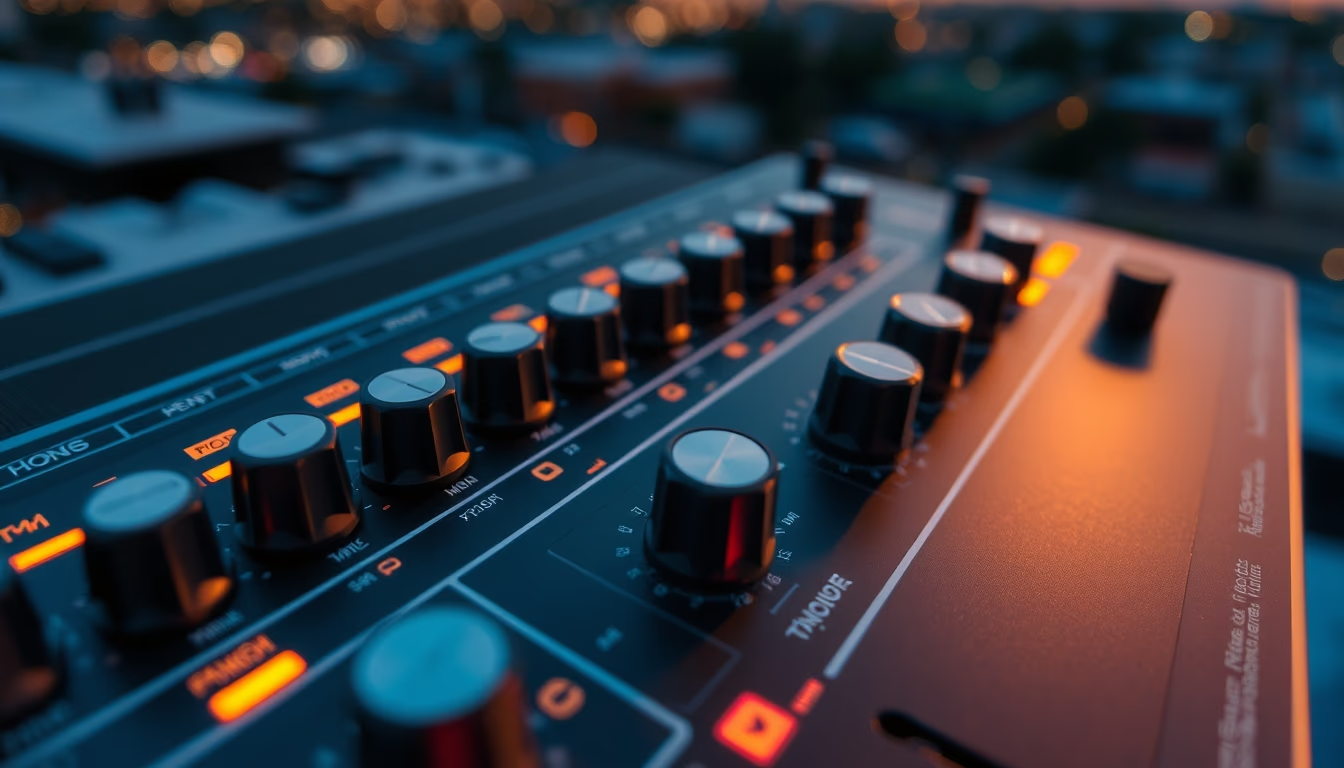
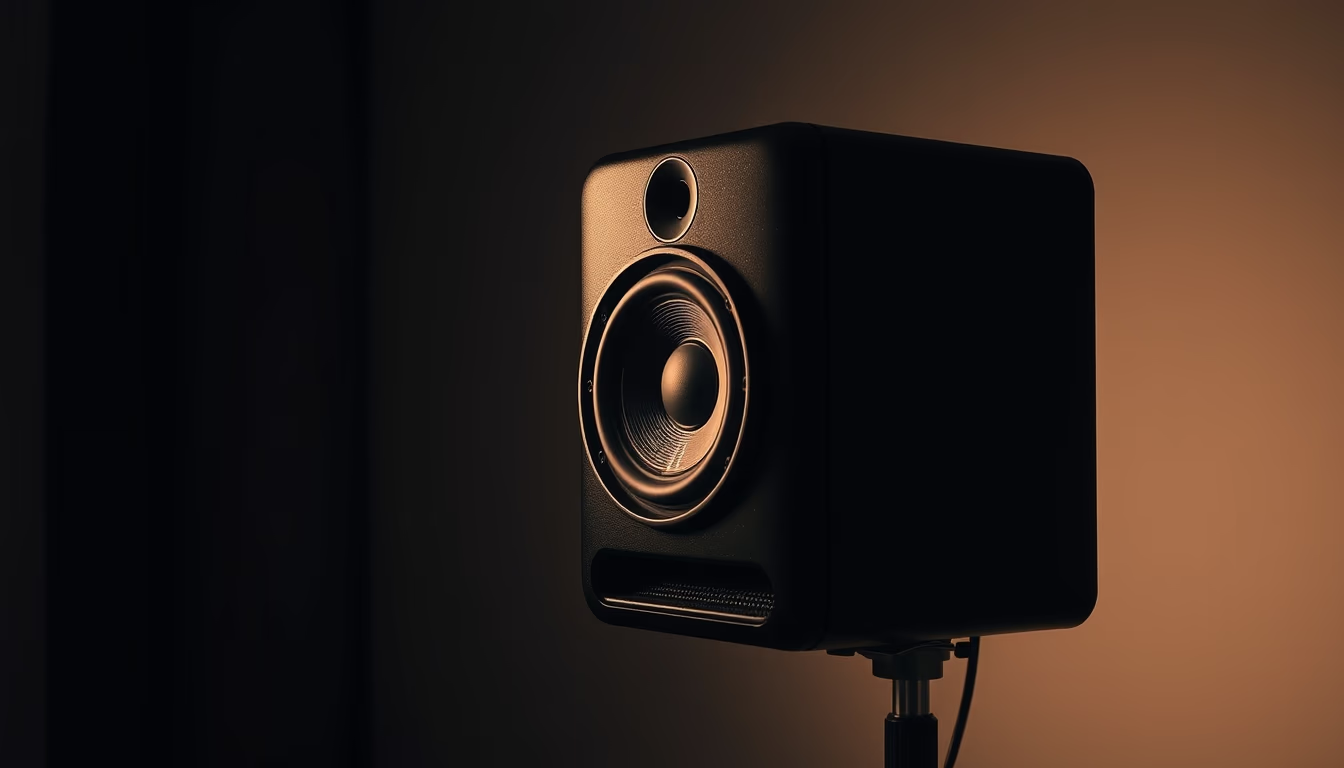
Studio monitor speaker
1344×768 · AVIF · CC BY 4.0
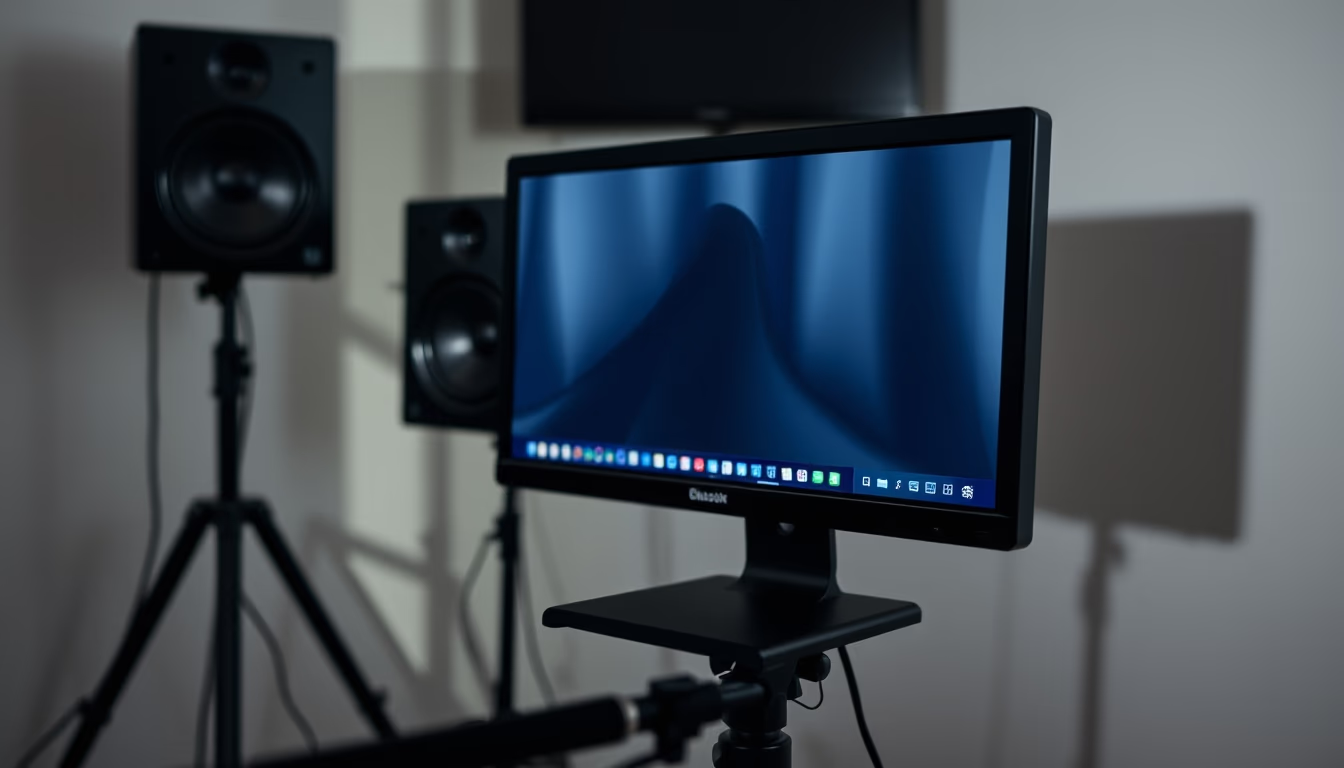
Studio monitor speakers are audio speakers designed for accurate sound reproduction, essential for music production and professional audio mixing.
About this subject
Studio monitor speakers, also called reference monitors, are a type of loudspeaker specifically designed to provide an extremely flat and neutral frequency response. Unlike consumer speakers, which often boost bass or treble to please casual listeners, studio monitors do not artificially color the sound. This allows audio engineers and music producers to hear every detail of the recording with precision, including sibilance, background noise, and tonal imbalances.
Technically, studio monitors are often near-field designs, intended to be positioned close to the listener. This minimizes the influence of room acoustics, as direct sound dominates over reflections. Many models are bi-amplified or tri-amplified, meaning they have dedicated amplifiers for each driver (woofer and tweeter), ensuring greater control and clarity. A typical frequency response ranges from about 40 Hz to 20 kHz with a tolerance of ±3 dB, considered ideal for critical monitoring.
The key difference between studio monitors and home or entertainment speakers lies in their purpose. While consumer speakers aim to please the listener with a “pleasant” sound, often emphasizing certain frequencies, studio monitors strive for sonic truth. This honesty is crucial during mixing and mastering, as it ensures the music translates well across different playback systems, from headphones to car stereos. Brands like Yamaha, KRK, Genelec, and JBL are industry references.
In a studio environment, the choice and placement of monitors are as important as the recording equipment itself. A well-treated room and properly calibrated monitors enable the producer to make accurate decisions about equalization, dynamics, and panning. Therefore, investing in quality studio monitors is essential for any serious audio professional or enthusiast.
Frequently Asked Questions
What is the difference between studio monitors and regular speakers?
Studio monitors have a flat frequency response (neutral) for accurate audio reproduction, while regular speakers often emphasize bass or treble to sound more pleasant to the average listener.
What does flat frequency response mean?
It means the monitor reproduces all frequencies (bass, midrange, treble) at the same level, without boosting or cutting any range. This allows you to hear the sound exactly as it was recorded.
Should I use active or passive monitors?
Active monitors have a built-in amplifier and are more common in studios for convenience and factory optimization. Passive monitors require an external amplifier, offering more flexibility but are less common today.
Direct URL
https://pub-c7d6a6ea828543ac903a74a341ccb2e1.r2.dev/imagens/studio-monitor-speaker-magazine-editorial-fresh6.avifHow to credit
Include a visible link back to UtilizAí. Copy one of the snippets below:
<a href="https://xn--utiliza-eza.com/en/midia/imagens/studio-monitor-speaker-magazine-editorial-fresh6">Studio monitor speaker</a> by <a href="https://xn--utiliza-eza.com">UtilizAí</a>, licensed under <a href="https://creativecommons.org/licenses/by/4.0/">CC BY 4.0</a>.
[Studio monitor speaker](https://xn--utiliza-eza.com/en/midia/imagens/studio-monitor-speaker-magazine-editorial-fresh6) by [UtilizAí](https://xn--utiliza-eza.com), CC BY 4.0
License: CC-BY-4.0