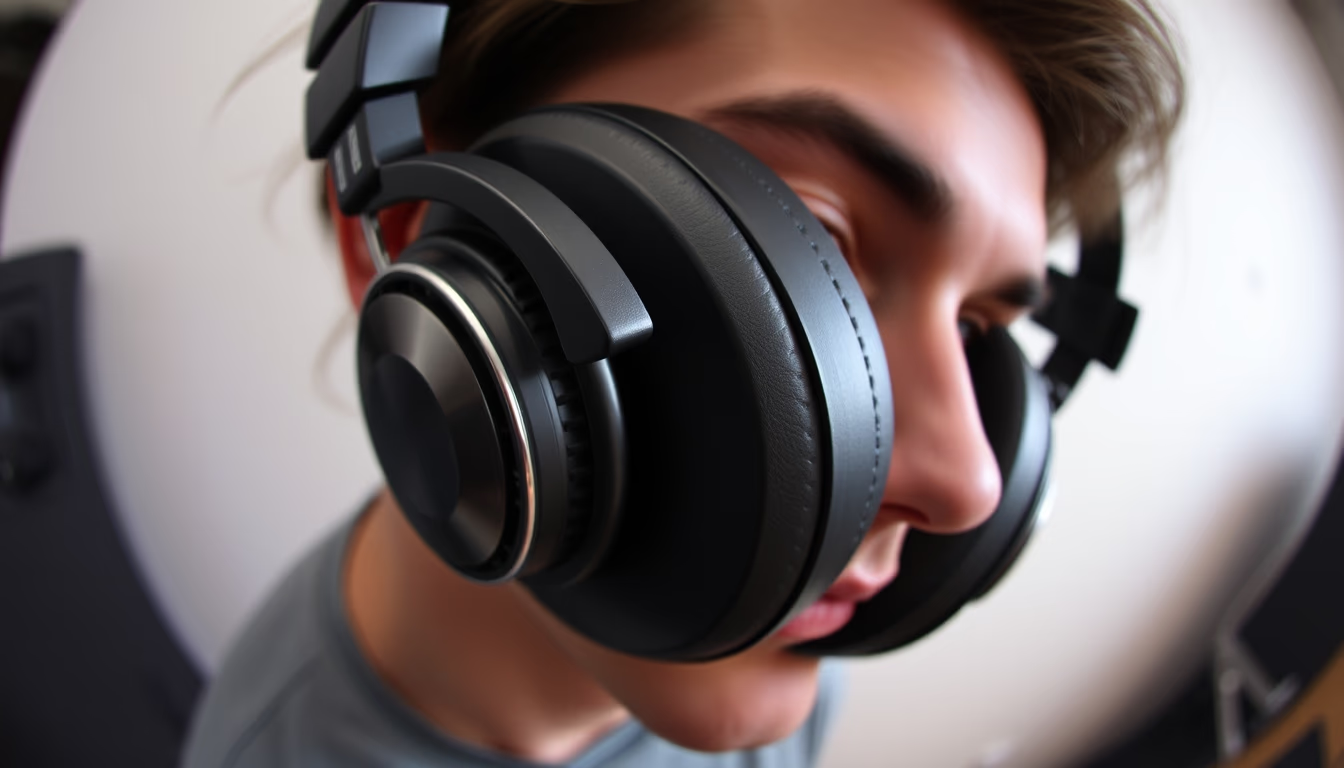
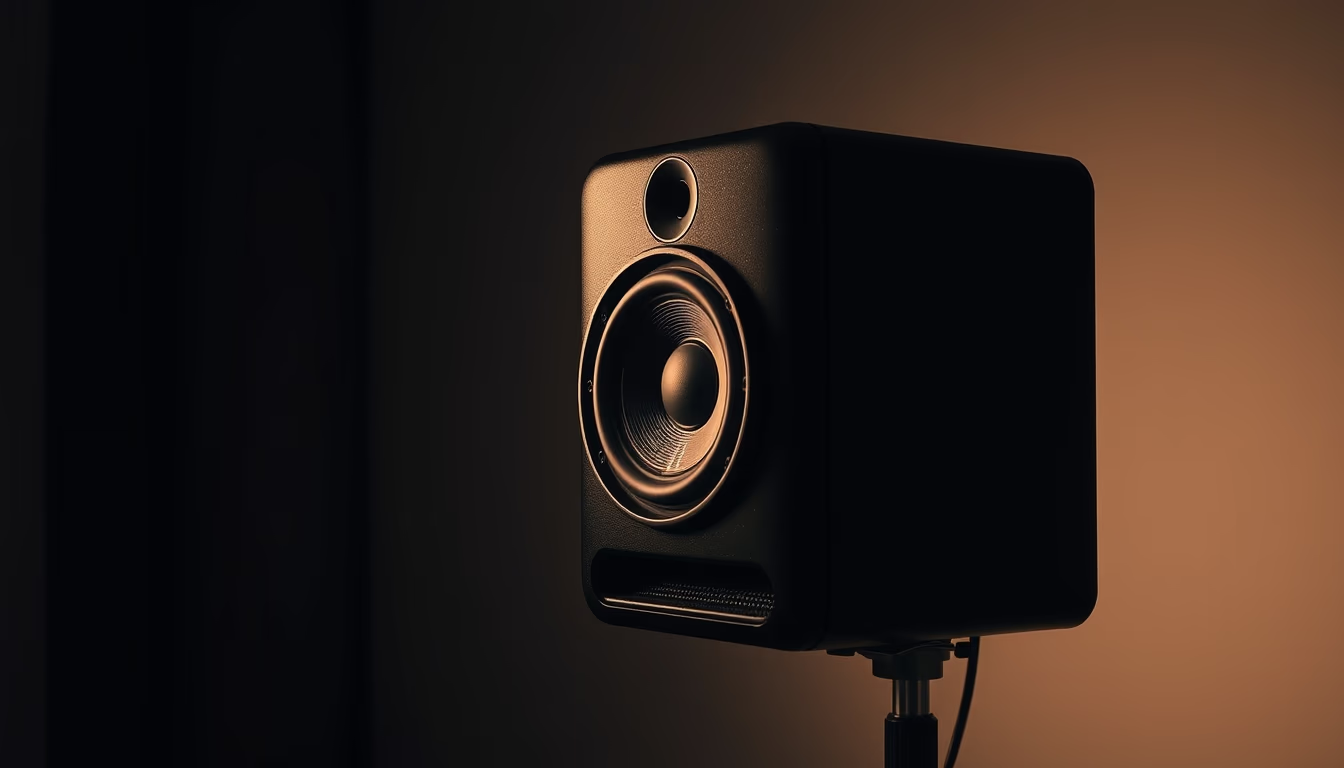
Studio monitor speaker
1344×768 · AVIF · CC BY 4.0
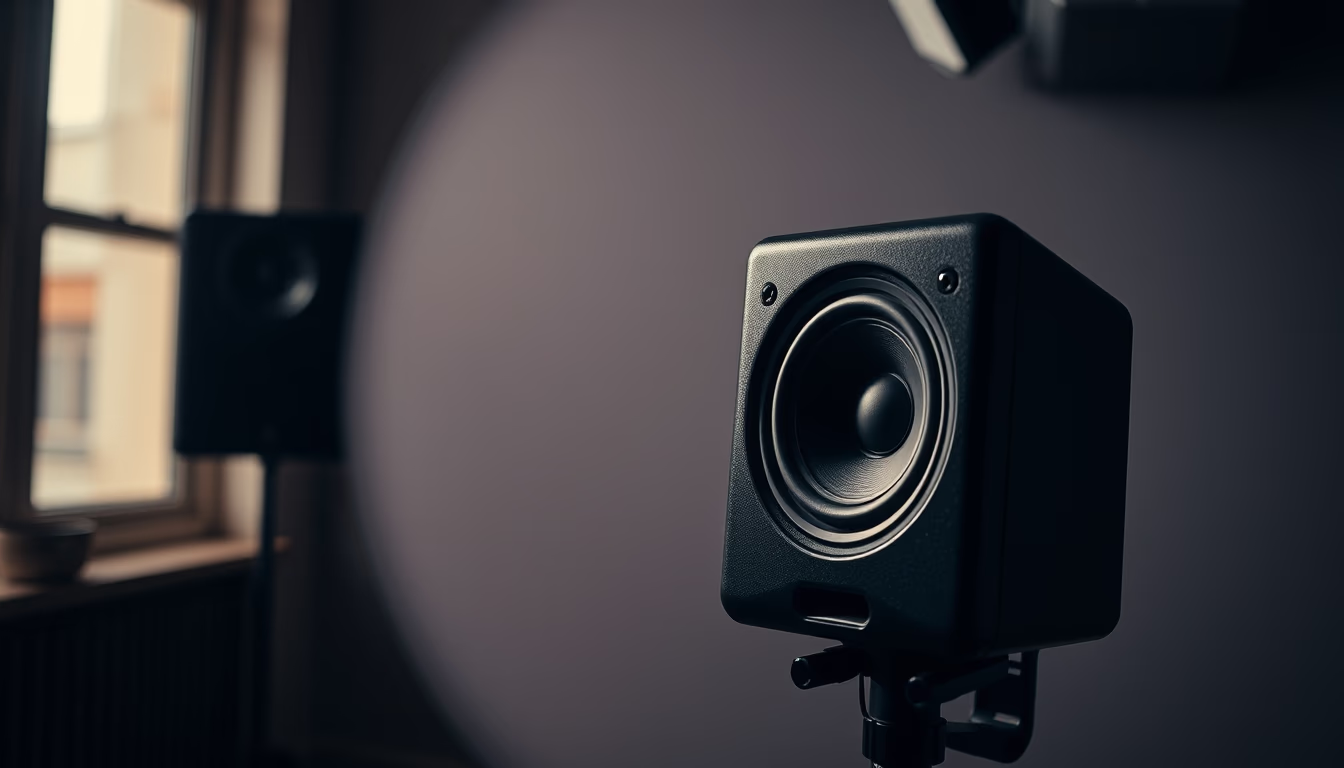
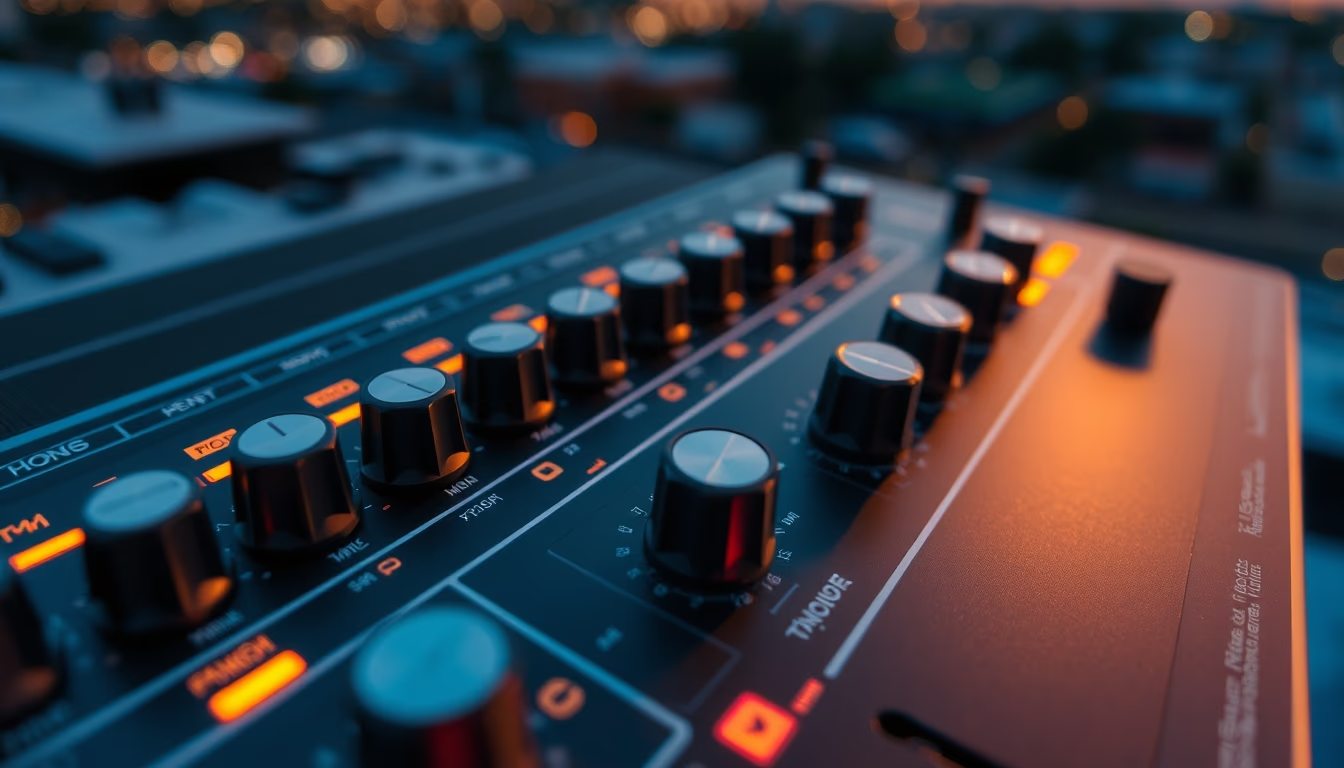
Studio monitor speakers are essential for professional music production due to their flat frequency response and sound accuracy.
About this subject
Studio monitor speakers, also known as reference monitors, are designed to reproduce audio with minimal coloration. Unlike consumer speakers, which often boost bass or treble to please listeners, monitors aim for a flat frequency response. This allows sound engineers and producers to hear exactly what was recorded, without masking or exaggeration, facilitating mixing and mastering decisions.
These devices are found in recording studios, broadcast rooms, post-production suites, and home studios. The room acoustics where monitors are placed directly affect sound perception, so professionals often use acoustic treatments (absorbers, bass traps) to minimize reflections. Renowned brands include Yamaha (NS-10 series, a classic), Genelec, KRK, Adam Audio, and JBL.
Interestingly, studio monitors are usually actively amplified (each driver has its own amplifier) for better control. Many models also offer EQ adjustments to compensate for room characteristics. The choice between nearfield (close listening) and midfield monitors depends on room size. In Brazil, local brands like Selenium also produce professional models.
Monitor use extends beyond music: they are essential for audio editing in film, podcasts, and gaming. The ITU-R BS.1116 standard recommends a specific target curve for studio monitors to ensure compatibility across playback systems.
Frequently Asked Questions
What is the difference between studio monitors and regular speakers?
Studio monitors have a flat frequency response without artificial boosts in bass or treble. Regular speakers often color the sound to sound more pleasing, which can mislead mixing decisions.
Do I need acoustic treatment to use studio monitors?
Yes, ideally. Room acoustics affect how you perceive frequencies. Without treatment, reflections can mask the true sound. At least absorber panels at early reflection points help significantly.
Active or passive monitors: which to choose?
Active monitors are more common in studios as they come with built-in amplification and optimized crossovers. Passive monitors require an external amplifier and allow more customization, but are less convenient.
Direct URL
https://pub-c7d6a6ea828543ac903a74a341ccb2e1.r2.dev/imagens/studio-monitor-speaker-fine-art-photography-fresh5.avifHow to credit
Include a visible link back to UtilizAí. Copy one of the snippets below:
<a href="https://xn--utiliza-eza.com/en/midia/imagens/studio-monitor-speaker-fine-art-photography-fresh5">Studio monitor speaker</a> by <a href="https://xn--utiliza-eza.com">UtilizAí</a>, licensed under <a href="https://creativecommons.org/licenses/by/4.0/">CC BY 4.0</a>.
[Studio monitor speaker](https://xn--utiliza-eza.com/en/midia/imagens/studio-monitor-speaker-fine-art-photography-fresh5) by [UtilizAí](https://xn--utiliza-eza.com), CC BY 4.0
License: CC-BY-4.0