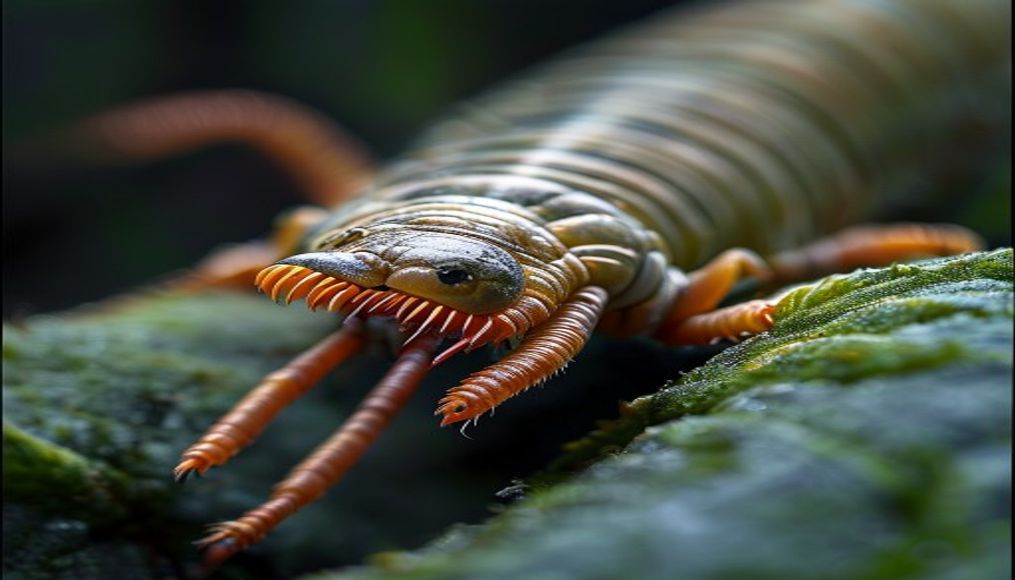
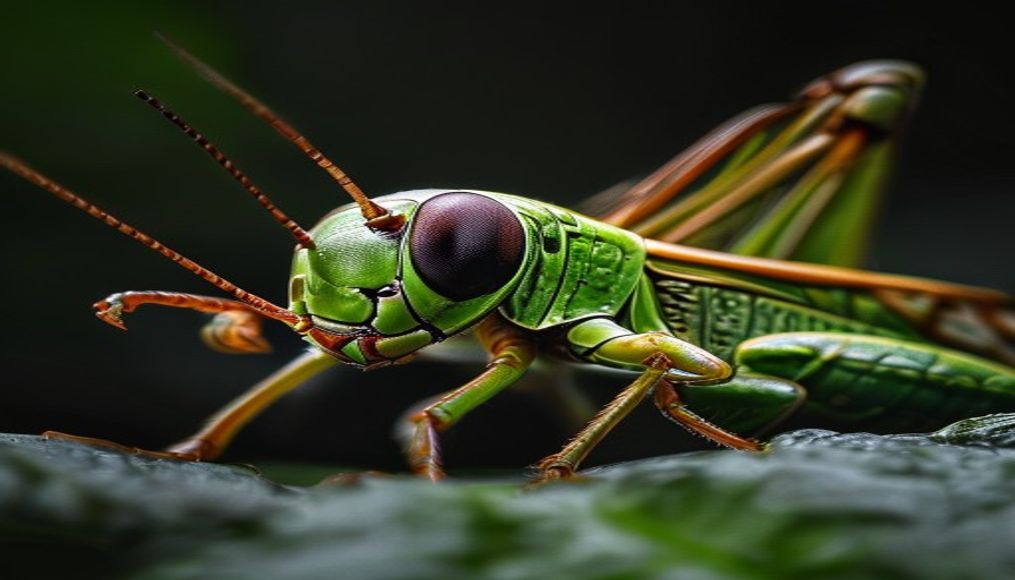
Stick insect camouflaged
1344×768 · AVIF · CC BY 4.0
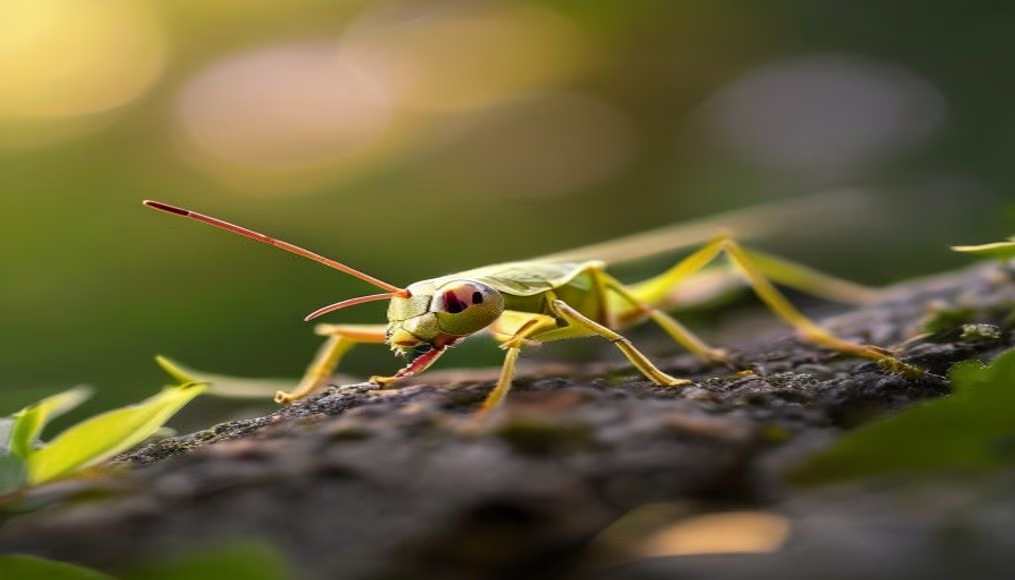
The stick insect is a master of camouflage, mimicking twigs and leaves to protect itself from predators in tropical and temperate forests.
About this subject
The stick insect (Order Phasmatodea) is an insect renowned for its extraordinary camouflage abilities. Its elongated, slender body closely resembles dry twigs, while some species mimic green leaves or moss. This evolutionary adaptation serves as a defense against visual predators such as birds, reptiles, and small mammals. Over 3,000 species of stick insects exist worldwide, primarily in tropical and subtropical regions like South America, Southeast Asia, and Australia. Some species are so specialized that they gently sway like branches in the wind, enhancing their disguise.
In Brazil, the diversity of stick insects is high, with native species in the Atlantic Forest and the Amazon. A fascinating fact is that females can reproduce through parthenogenesis, producing offspring without males, especially in isolated populations. Their eggs often resemble seeds and may take months to hatch. Stick insects are herbivores, feeding on leaves, and generally do not cause significant damage to plants.
Stick insects are also popular in the exotic pet trade and educational terrariums due to their peaceful behavior and easy care. In the wild, they play an ecological role as prey and as regulators of vegetation. Some species, like the giant stick insect (Phasmatodea gigantea), can reach over 30 cm in length, making them among the largest insects in the world. Despite their fragile appearance, they are resilient, protected by a chitinous exoskeleton.
Frequently Asked Questions
How do stick insects camouflage themselves?
They mimic twigs, leaves, or moss with their elongated bodies and cryptic coloration. Some sway like branches in the wind to deceive predators.
Where do stick insects live?
They inhabit tropical and temperate forests, especially in South America, Asia, and Australia. In Brazil, they are common in the Amazon and Atlantic Forest.
Are stick insects dangerous?
No. They are harmless to humans and have no venom. They are herbivores, feeding only on leaves.
Direct URL
https://pub-c7d6a6ea828543ac903a74a341ccb2e1.r2.dev/imagens/stick-insect-camouflaged-documentary-photography-p0.avifHow to credit
Include a visible link back to UtilizAí. Copy one of the snippets below:
<a href="https://xn--utiliza-eza.com/en/midia/imagens/stick-insect-camouflaged-documentary-photography-p0">Stick insect camouflaged</a> by <a href="https://xn--utiliza-eza.com">UtilizAí</a>, licensed under <a href="https://creativecommons.org/licenses/by/4.0/">CC BY 4.0</a>.
[Stick insect camouflaged](https://xn--utiliza-eza.com/en/midia/imagens/stick-insect-camouflaged-documentary-photography-p0) by [UtilizAí](https://xn--utiliza-eza.com), CC BY 4.0
License: CC-BY-4.0