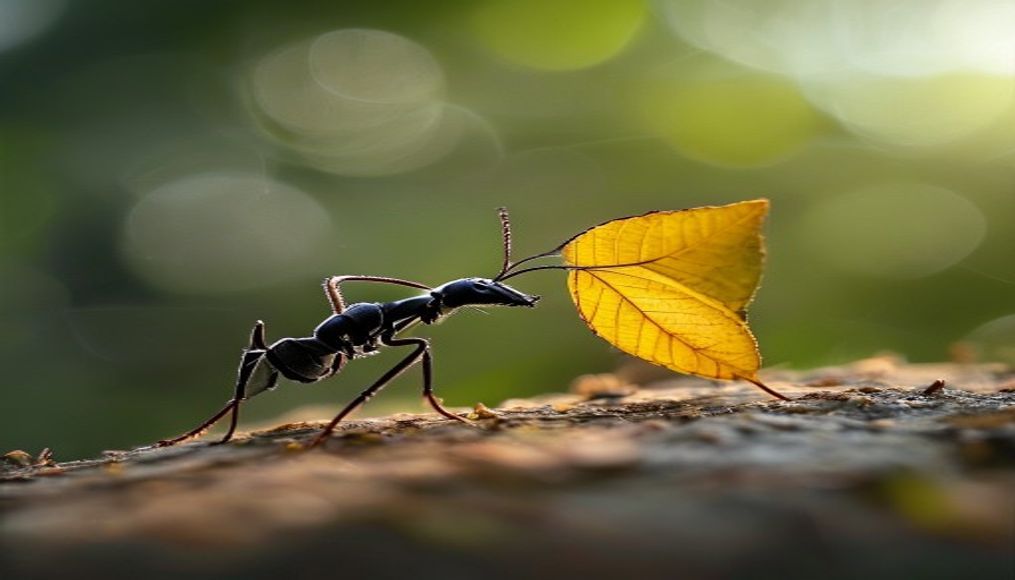
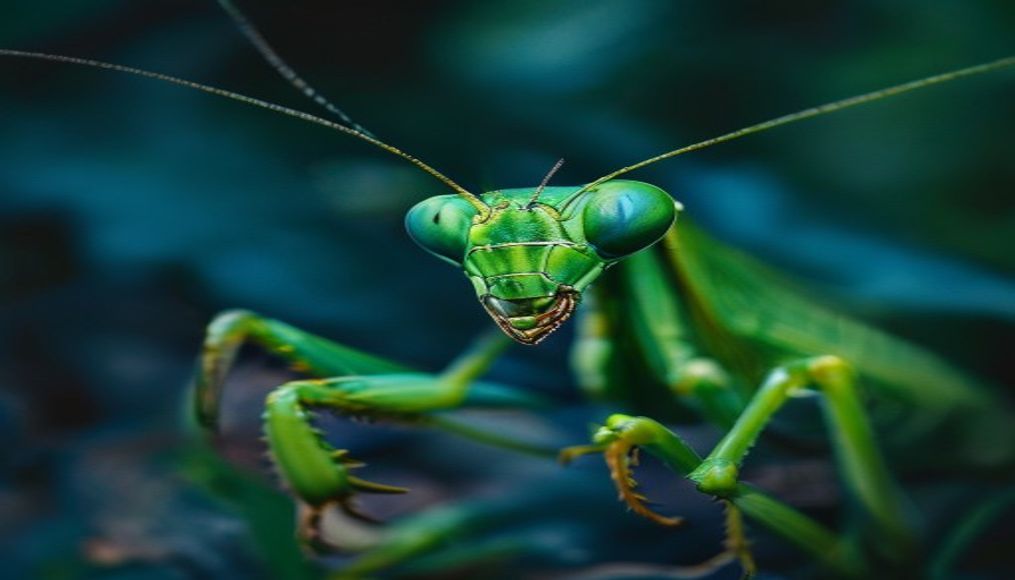
Stick insect camouflaged
1344×768 · AVIF · CC BY 4.0
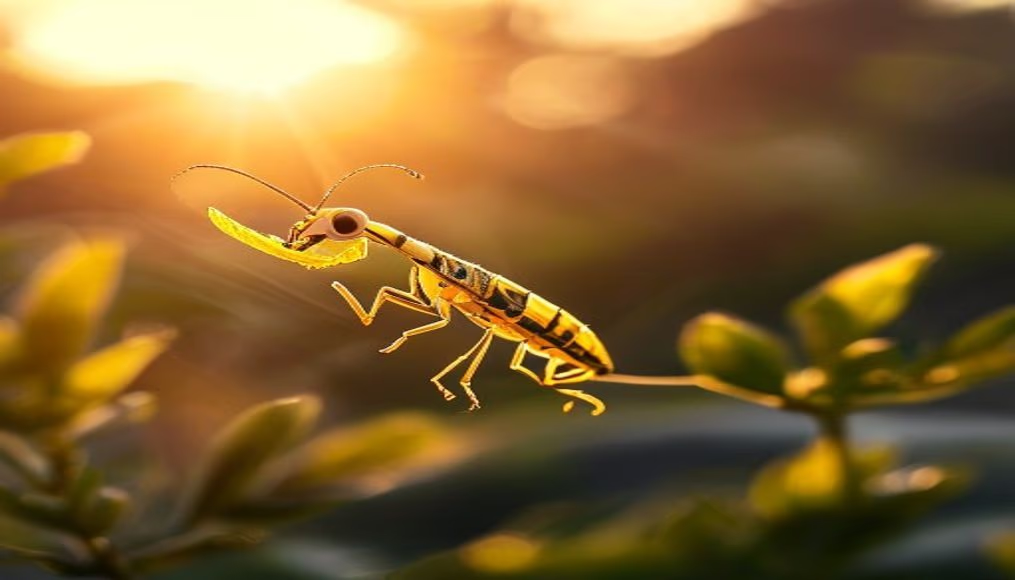
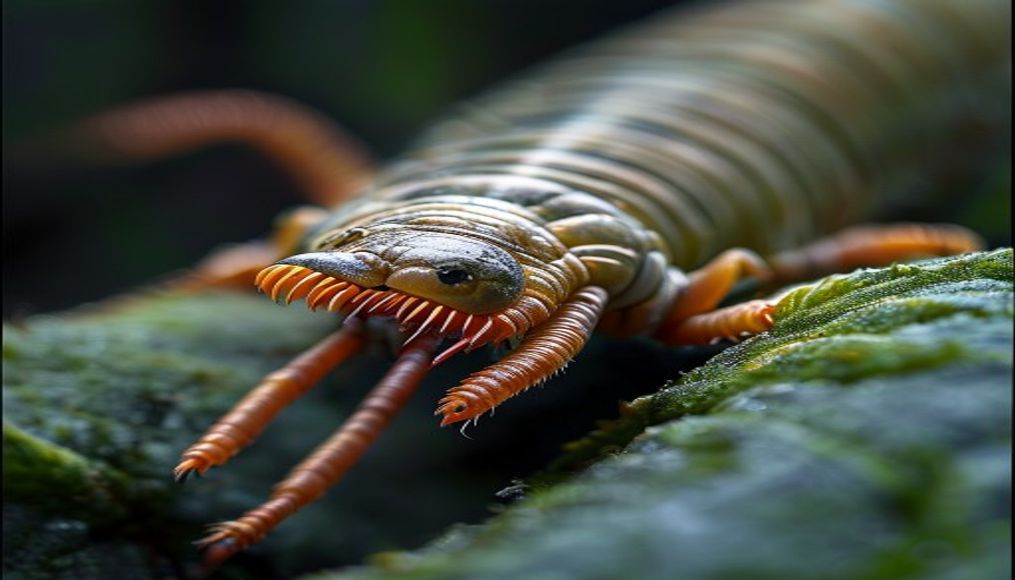
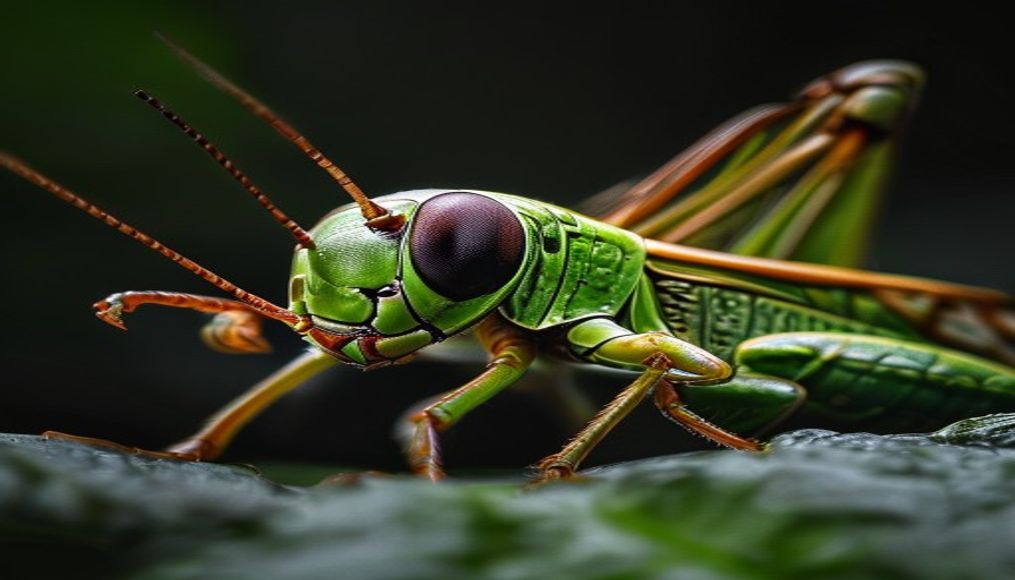
Stick insects are masters of camouflage, mimicking twigs and leaves to evade predators in tropical forests worldwide.
About this subject
Stick insects, order Phasmatodea, are renowned for their remarkable ability to camouflage as twigs or leaves. This evolutionary adaptation helps them evade predators such as birds, rodents, and spiders. With over 3,000 described species, they are found mainly in tropical and subtropical regions, including the Amazon, Southeast Asia, and Australia. Some species exceed 30 centimeters in length, making them the world's longest insects.
Their camouflage extends beyond shape: coloration ranges from green and brown to grayish tones, perfectly matching the surroundings. During the day, they remain motionless for hours, gently swaying like a branch in the wind, a behavior called catalepsy that deceives visual predators. Interestingly, some species feature spines or bumps that mimic lichen or tree bark, enhancing the disguise.
The life cycle of stick insects includes eggs that look like seeds, making them hard for parasites to find. Many females are parthenogenetic, reproducing without males to produce clones. These traits make stick insects a fascinating example of evolution in action, studied by biologists to understand natural selection and the diversity of defense strategies in the animal kingdom.
While harmless to humans, these insects play a key ecological role as herbivores, feeding on leaves and contributing to nutrient cycling. Their presence in an ecosystem indicates good environmental health, as they are sensitive to disturbances like deforestation and pollution.
Frequently Asked Questions
How do stick insects camouflage?
Stick insects perfectly mimic twigs or leaves through their elongated bodies, coloration, and stillness. Some species gently sway to simulate a branch moving in the wind.
Where are stick insects found?
They mainly inhabit tropical and subtropical forests in South America, Asia, Australia, and Pacific islands. A few species also occur in temperate regions.
Are stick insects dangerous to humans?
No, stick insects are harmless. They have no venom or strong jaws. When threatened, they may release a foul-smelling liquid, but it poses no real risk.
Direct URL
https://pub-c7d6a6ea828543ac903a74a341ccb2e1.r2.dev/imagens/stick-insect-camouflaged-cinematic-wide-shot-p1.avifHow to credit
Include a visible link back to UtilizAí. Copy one of the snippets below:
<a href="https://xn--utiliza-eza.com/en/midia/imagens/stick-insect-camouflaged-cinematic-wide-shot-p1">Stick insect camouflaged</a> by <a href="https://xn--utiliza-eza.com">UtilizAí</a>, licensed under <a href="https://creativecommons.org/licenses/by/4.0/">CC BY 4.0</a>.
[Stick insect camouflaged](https://xn--utiliza-eza.com/en/midia/imagens/stick-insect-camouflaged-cinematic-wide-shot-p1) by [UtilizAí](https://xn--utiliza-eza.com), CC BY 4.0
License: CC-BY-4.0