Stem cells petri dish
1344×768 · AVIF · CC BY 4.0
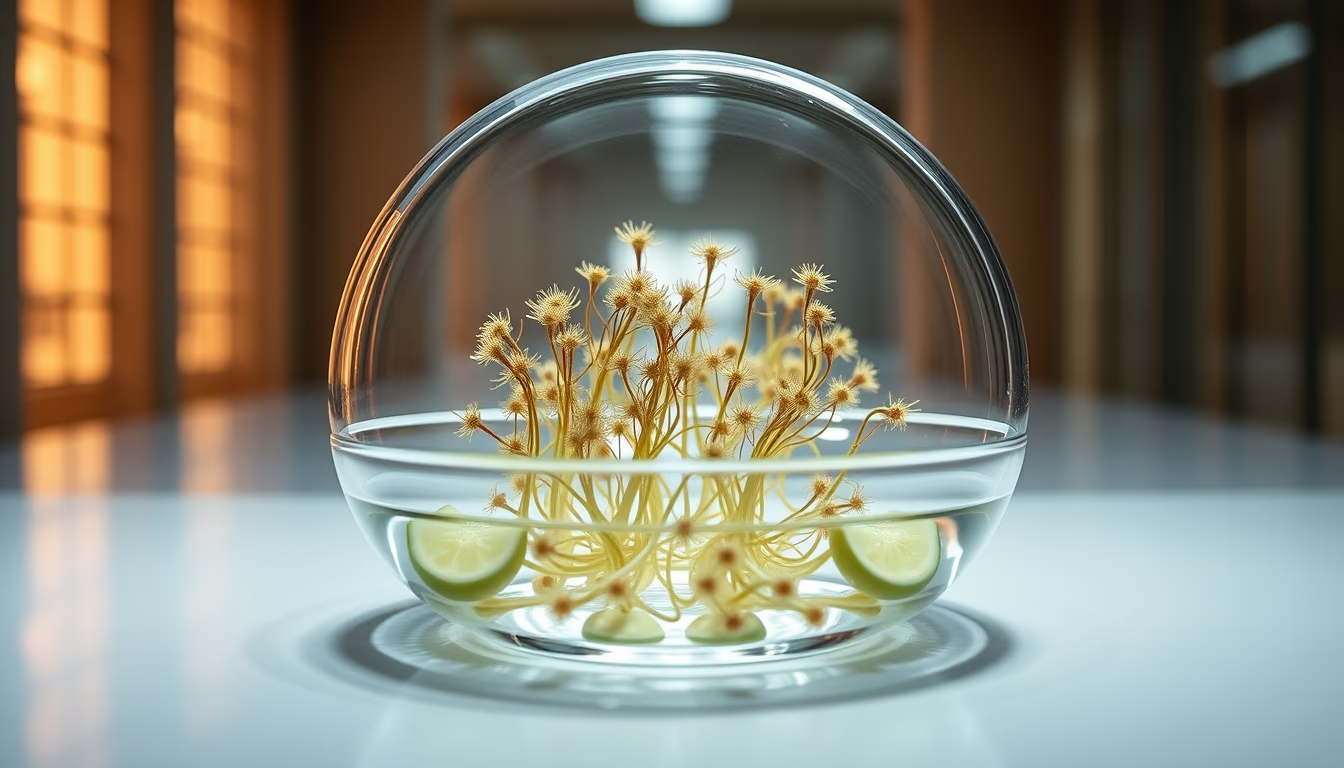
Stem cells cultured in a petri dish represent one of the cornerstones of regenerative medicine and modern biomedical research.
About this subject
Stem cells are undifferentiated cells capable of self-renewal and differentiation into multiple cell types. They are classified into three main categories: embryonic, adult, and induced pluripotent stem cells (iPSCs). Embryonic stem cells, derived from blastocysts, are totipotent, generating all tissues of the organism. Adult stem cells, found in tissues such as bone marrow and fat, are multipotent, limited to specific lineages. iPSCs, created by Shinya Yamanaka in 2006 (Nobel Prize 2012), are reprogrammed from somatic cells, avoiding ethical controversies.
In medicine, stem cells are used in bone marrow transplants for leukemia and in experimental therapies for neurodegenerative diseases, heart conditions, and diabetes. Culture in a petri dish requires a controlled environment with rich media containing growth factors and no contamination. This technique enables studies of cell development, drug testing, and disease modeling in vitro.
Brazil has specific legislation (Biosafety Law, 2005) allowing research with embryonic stem cells from consenting donors. Centers such as Instituto Butantan and USP develop cell lines for cell therapy. Globally, the stem cell therapy market moves billions of dollars, with challenges including teratomas and differentiation control.
Despite their promise, stem cells still face obstacles: high cost, need for standardization, and risk of tumorigenesis. Advances in gene editing (CRISPR) and organoids promise to overcome these limits, consolidating the field as one of the most dynamic in contemporary biology.
Frequently Asked Questions
What are stem cells?
They are undifferentiated cells that can self-renew and differentiate into specialized cell types. They are the foundation for tissue development and repair in the body.
What are the main types of stem cells?
The main types are: embryonic (totipotent), adult (multipotent), and induced pluripotent stem cells (iPSCs). Each type has different capacities and applications.
Which diseases can be treated with stem cells?
Currently, they are used in bone marrow transplants for leukemias and lymphomas. Research explores therapies for Parkinson's, Alzheimer's, type 1 diabetes, spinal cord injuries, and heart diseases.
Direct URL
https://pub-c7d6a6ea828543ac903a74a341ccb2e1.r2.dev/imagens/stem-cells-petri-dish-architectural-photography-p0.avifHow to credit
Include a visible link back to UtilizAí. Copy one of the snippets below:
<a href="https://xn--utiliza-eza.com/en/midia/imagens/stem-cells-petri-dish-architectural-photography-p0">Stem cells petri dish</a> by <a href="https://xn--utiliza-eza.com">UtilizAí</a>, licensed under <a href="https://creativecommons.org/licenses/by/4.0/">CC BY 4.0</a>.
[Stem cells petri dish](https://xn--utiliza-eza.com/en/midia/imagens/stem-cells-petri-dish-architectural-photography-p0) by [UtilizAí](https://xn--utiliza-eza.com), CC BY 4.0
License: CC-BY-4.0