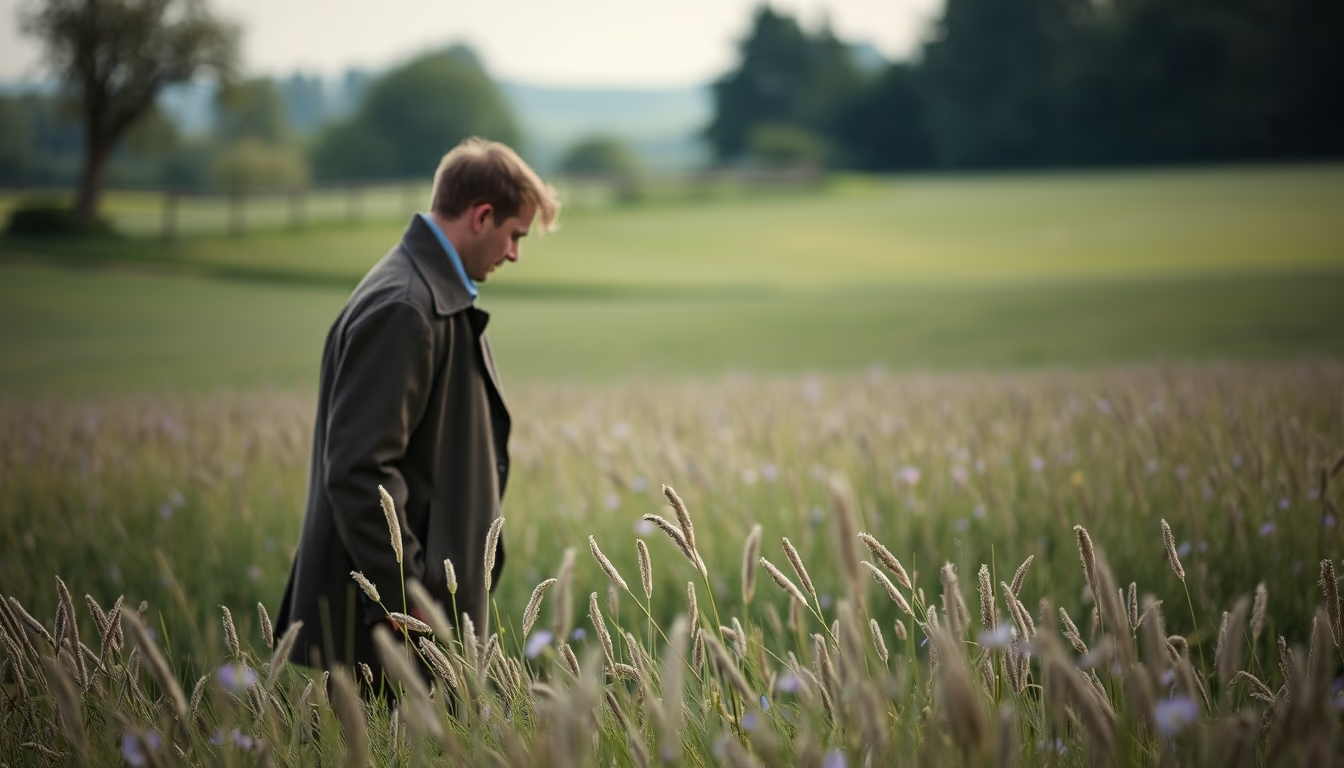
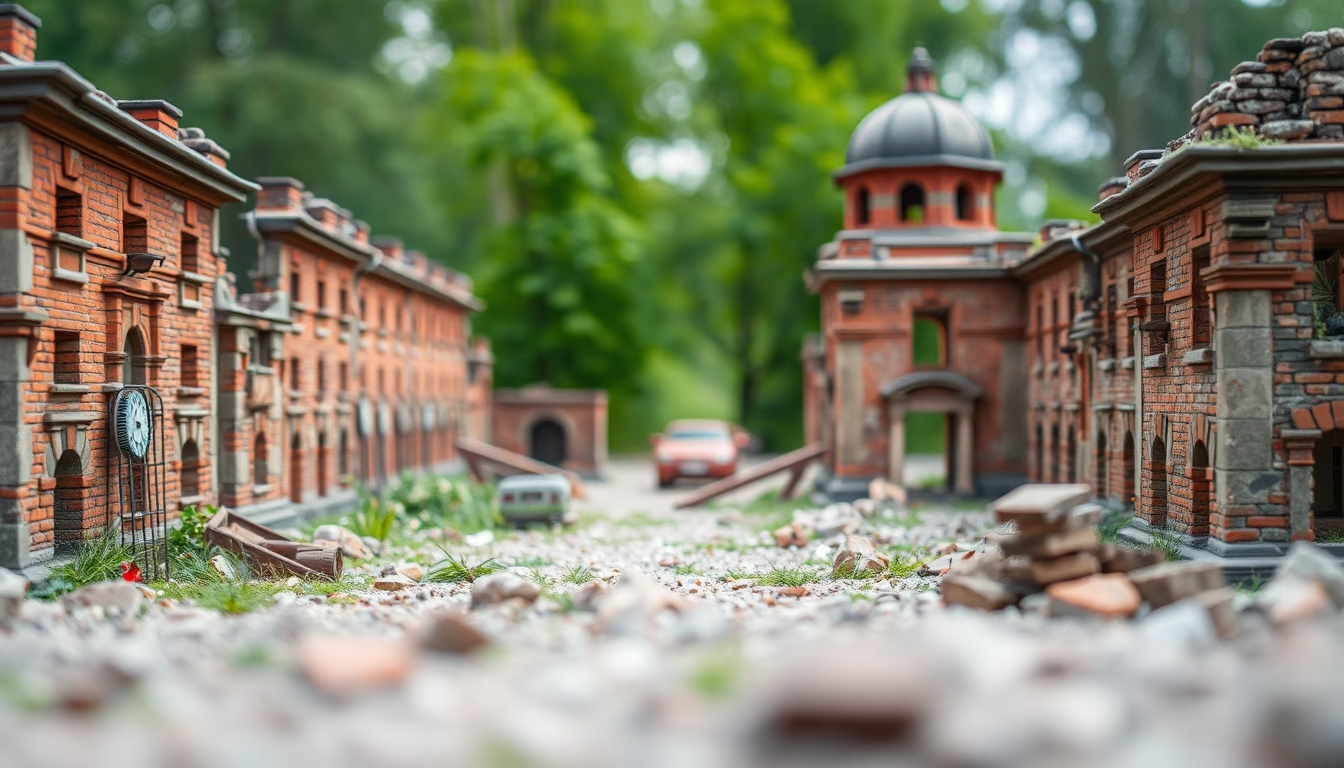
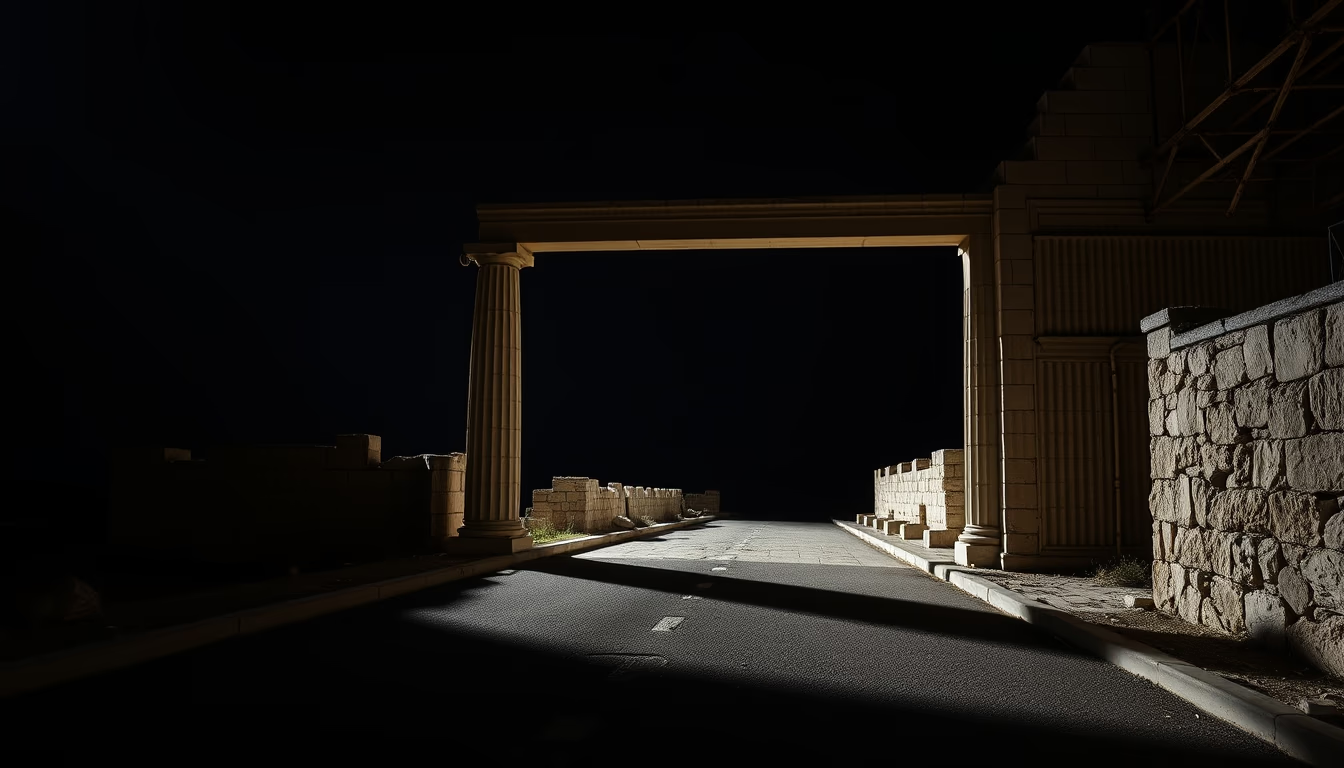
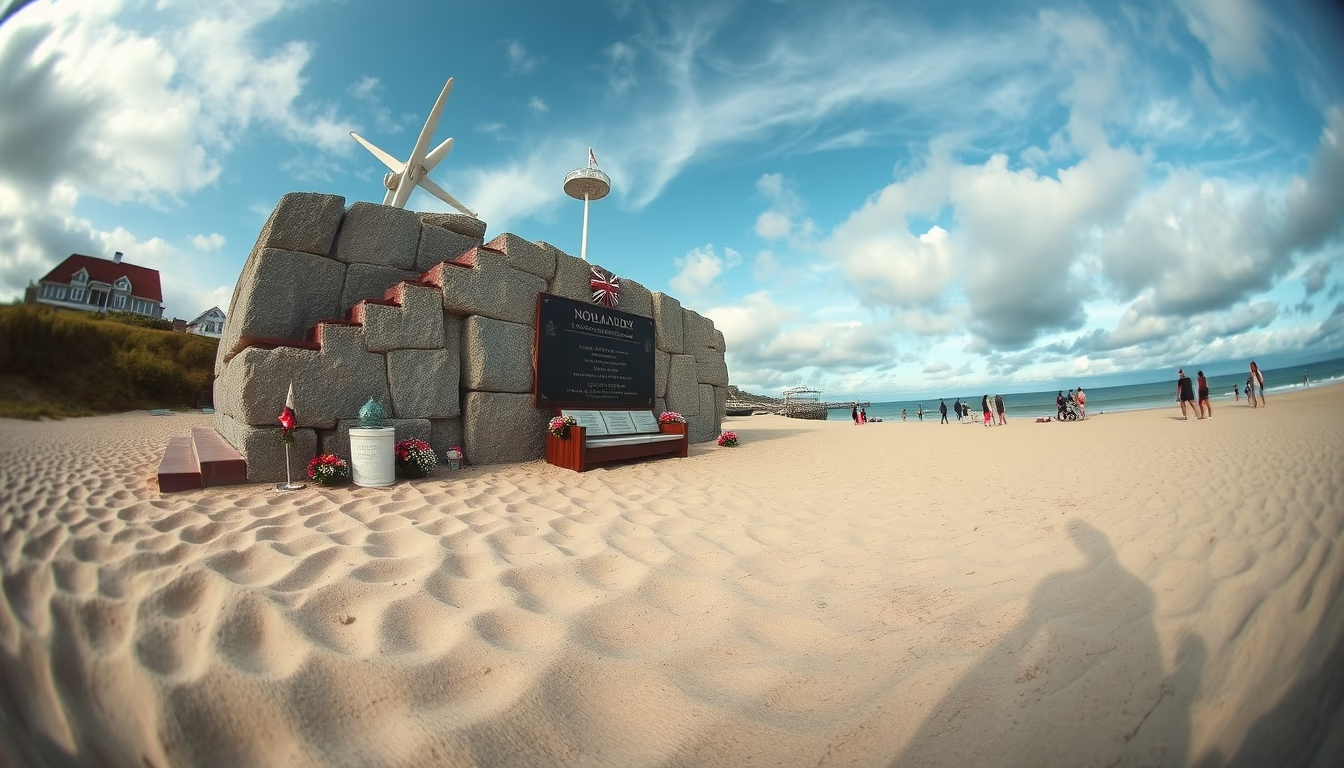
Stalingrad ruins
1344×768 · AVIF · CC BY 4.0
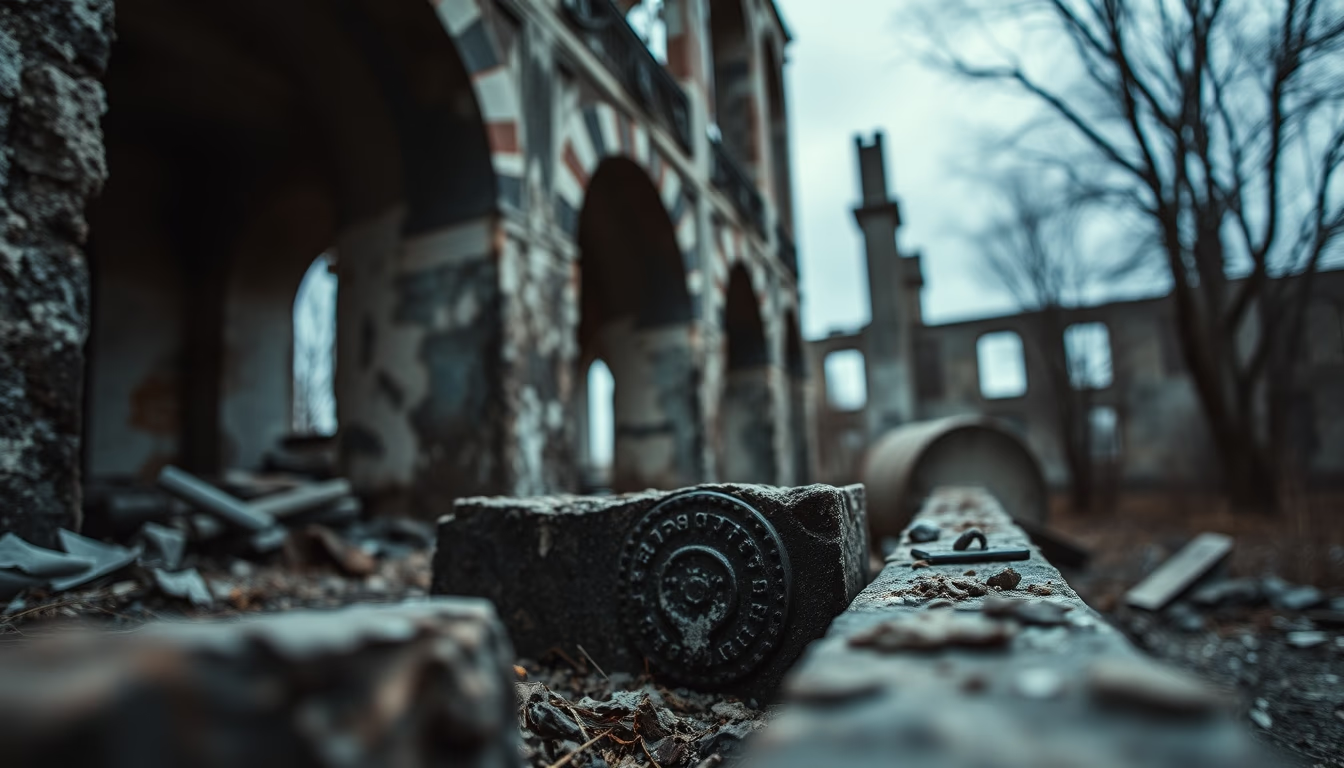
Ruins of Stalingrad, site of the bloodiest battle in World War II, which turned the tide of the conflict.
About this subject
The Battle of Stalingrad, fought from August 23, 1942, to February 2, 1943, was the turning point on the Eastern Front of World War II. The confrontation pitted Axis forces, led by Nazi Germany, against the Soviet Union for control of the industrial city of Stalingrad (now Volgograd). The city was almost completely destroyed, with aerial bombings and house-to-house fighting that reduced buildings to rubble. An estimated 2 million people died, including soldiers and civilians, making it the deadliest battle in history.
The ruins of Stalingrad became a symbol of Soviet resistance and human suffering. After the surrender of the German 6th Army in February 1943, the city lay in ruins, but the Soviet victory marked the start of the Red Army's advance towards Berlin. Reconstruction began immediately, and the city was rebuilt over decades, though some sites preserve the memory of destruction, such as the Mamayev Kurgan memorial.
Culturally, Stalingrad is remembered in books, films, and monuments. The original name, Volgograd, was restored in 1961 as part of de-Stalinization, but the name Stalingrad remains strongly associated with the battle. Photographic ruins from the era, with building skeletons and debris, are often used to illustrate the human cost of war and the brutality of modern urban combat.
Frequently Asked Questions
Why was Stalingrad so important in World War II?
Stalingrad was a vital industrial and logistics hub for the Soviet Union, also bearing Stalin's name. Its capture would cut Soviet supply routes. The German defeat at Stalingrad marked the first major surrender of a Nazi army and reversed the dynamics of the Eastern Front.
How many people died in the Battle of Stalingrad?
An estimated 1.5 to 2 million people died, including soldiers from both sides and Soviet civilians. It is considered the bloodiest battle in history.
Do the ruins of Stalingrad still exist today?
Much of the city was rebuilt, but some historical sites, such as the Grudinin mill and the Mamayev Kurgan memorial, preserve traces of the battle. Museums and memorials exhibit photographs and artifacts from the period.
Direct URL
https://pub-c7d6a6ea828543ac903a74a341ccb2e1.r2.dev/imagens/stalingrad-ruins-macro-closeup-fresh3.avifHow to credit
Include a visible link back to UtilizAí. Copy one of the snippets below:
<a href="https://xn--utiliza-eza.com/en/midia/imagens/stalingrad-ruins-macro-closeup-fresh3">Stalingrad ruins</a> by <a href="https://xn--utiliza-eza.com">UtilizAí</a>, licensed under <a href="https://creativecommons.org/licenses/by/4.0/">CC BY 4.0</a>.
[Stalingrad ruins](https://xn--utiliza-eza.com/en/midia/imagens/stalingrad-ruins-macro-closeup-fresh3) by [UtilizAí](https://xn--utiliza-eza.com), CC BY 4.0
License: CC-BY-4.0