Stalingrad ruins
1344×768 · AVIF · CC BY 4.0
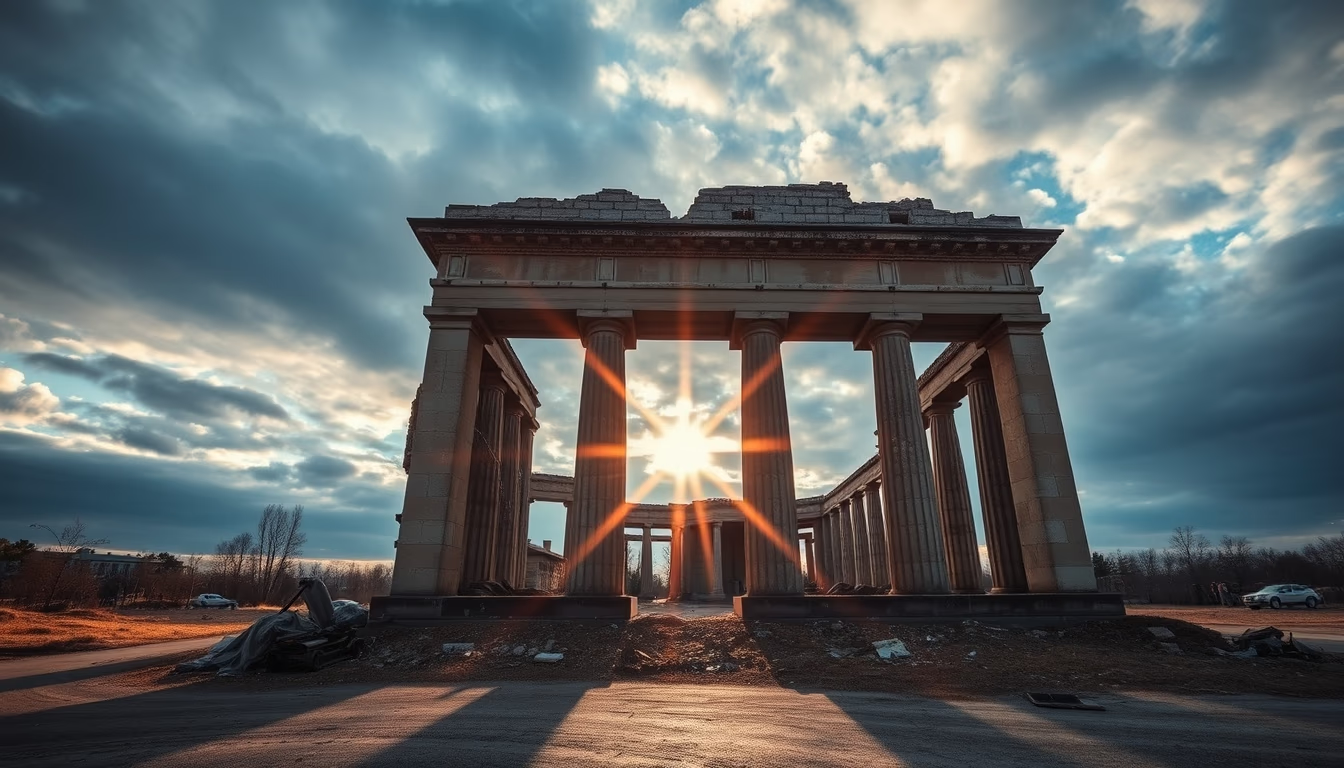
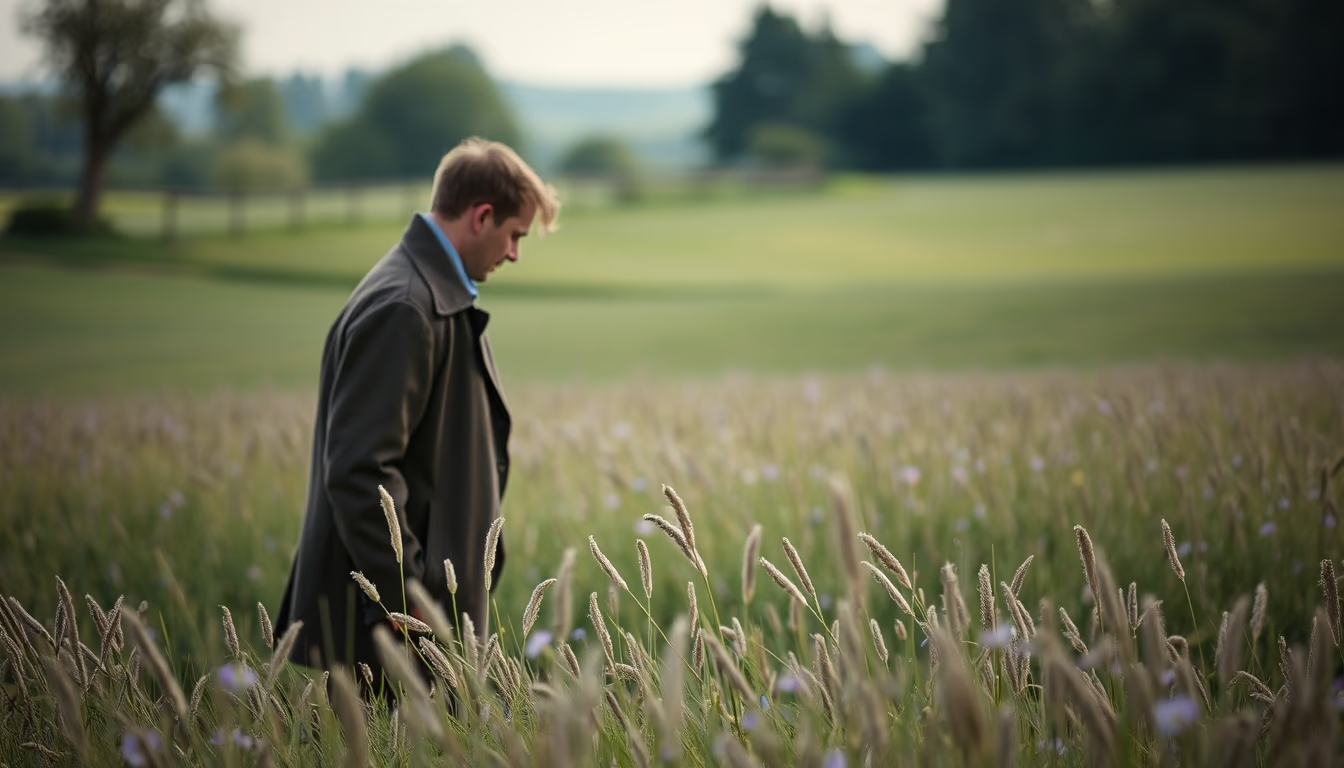
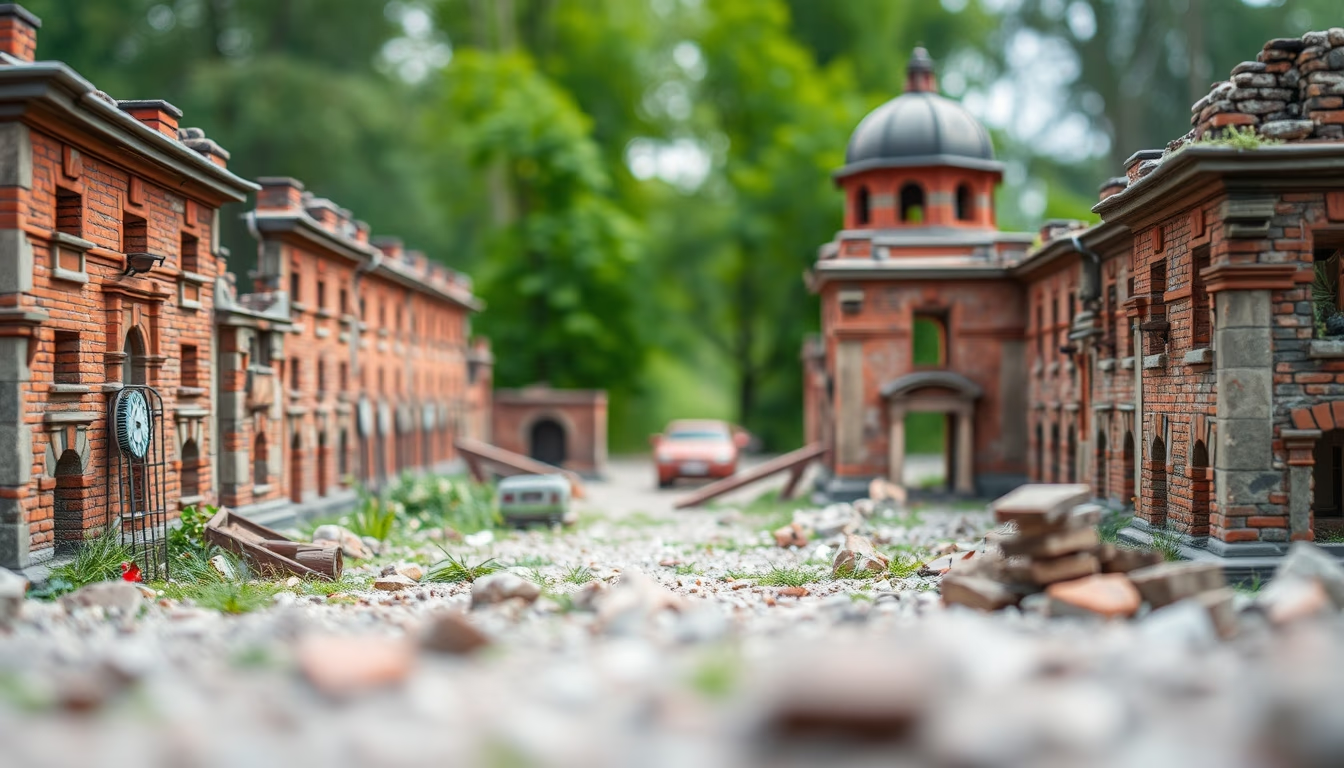
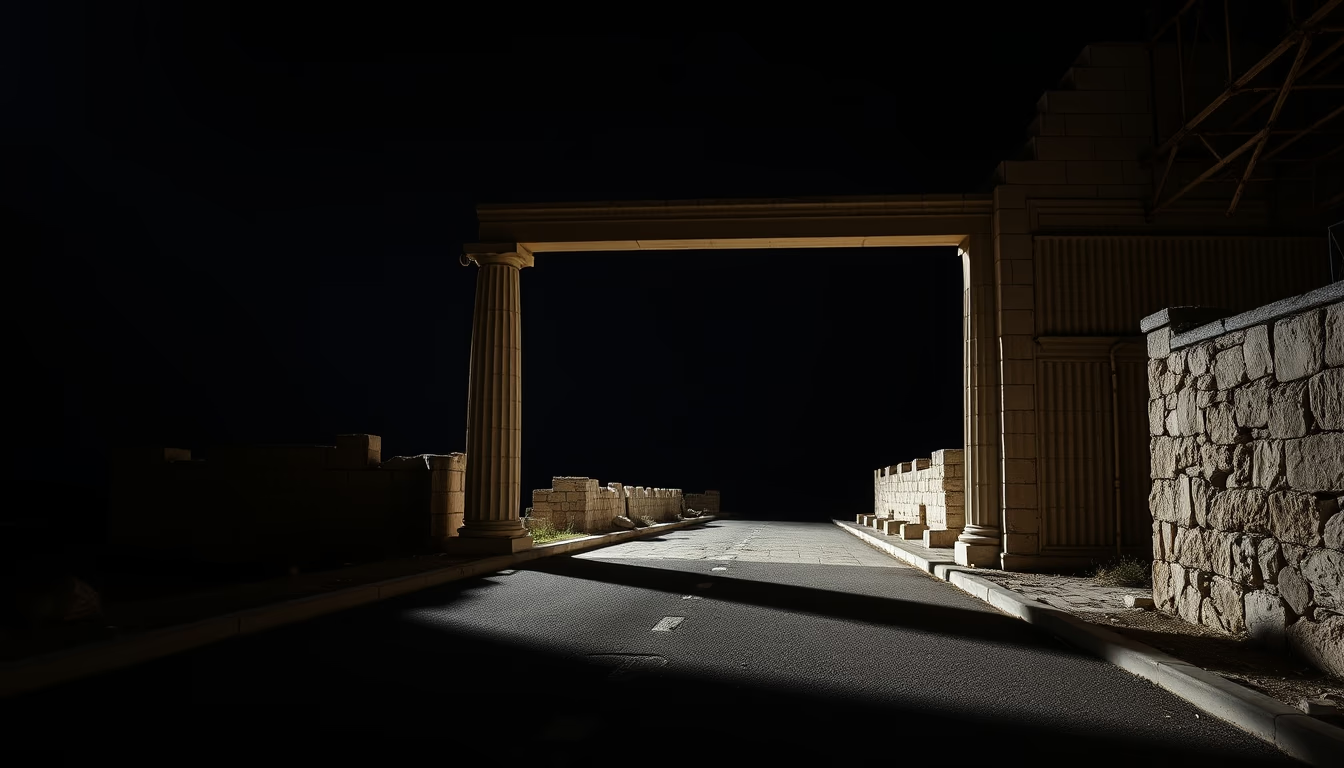
The ruins of Stalingrad, site of the bloodiest battle in World War II, symbolize Soviet resilience and the human cost of war.
About this subject
The Battle of Stalingrad, fought from August 1942 to February 1943, was the decisive turning point on the Eastern Front of World War II. German forces surrounded and bombarded the industrial city, reducing it to a landscape of ruins. Every building in Stalingrad became a fortress, with hand-to-hand combat in factories, streets, and rubble. The Soviet resistance, despite suffering over a million casualties, managed to encircle and destroy the German 6th Army, inflicting a catastrophic defeat on the Third Reich.
After the war, the ruins of Stalingrad became a symbol of Soviet sacrifice and determination. The city was rebuilt and renamed Volgograd in 1961, but traces of destruction were preserved in memorials such as the Battle of Stalingrad Museum and the Mamayev Kurgan complex. The latter features the statue "The Motherland Calls!", one of the tallest in the world, honoring the city's defenders. Original ruins of some buildings, like the Gerhardt Mill, were left untouched as a testament to the violence of the conflict.
The cultural impact of the battle is immense. Stalingrad is depicted in films, books, and global media as the ultimate example of urban warfare and resistance. The ruins, though partly replaced by modern constructions today, continue to attract historians and tourists seeking to understand the scale of what happened there. They are not merely physical remnants but a permanent record of an event that changed the course of contemporary history.
Frequently Asked Questions
Where was Stalingrad located?
Stalingrad was the former name of Volgograd, a city in southwestern Russia on the Volga River. It was renamed in 1961 during de-Stalinization.
How many people died in the Battle of Stalingrad?
Total casualties, including dead, wounded, and missing, are estimated to exceed 2 million, making it one of the bloodiest battles in history.
What remains of the Stalingrad ruins today?
Some original ruins, such as the Gerhardt Mill, have been preserved as memorials. The city was rebuilt and is now an industrial and cultural center with monuments attracting visitors.
Direct URL
https://pub-c7d6a6ea828543ac903a74a341ccb2e1.r2.dev/imagens/stalingrad-ruins-fine-art-photography-fresh5.avifHow to credit
Include a visible link back to UtilizAí. Copy one of the snippets below:
<a href="https://xn--utiliza-eza.com/en/midia/imagens/stalingrad-ruins-fine-art-photography-fresh5">Stalingrad ruins</a> by <a href="https://xn--utiliza-eza.com">UtilizAí</a>, licensed under <a href="https://creativecommons.org/licenses/by/4.0/">CC BY 4.0</a>.
[Stalingrad ruins](https://xn--utiliza-eza.com/en/midia/imagens/stalingrad-ruins-fine-art-photography-fresh5) by [UtilizAí](https://xn--utiliza-eza.com), CC BY 4.0
License: CC-BY-4.0