Stalingrad ruins
1344×768 · AVIF · CC BY 4.0
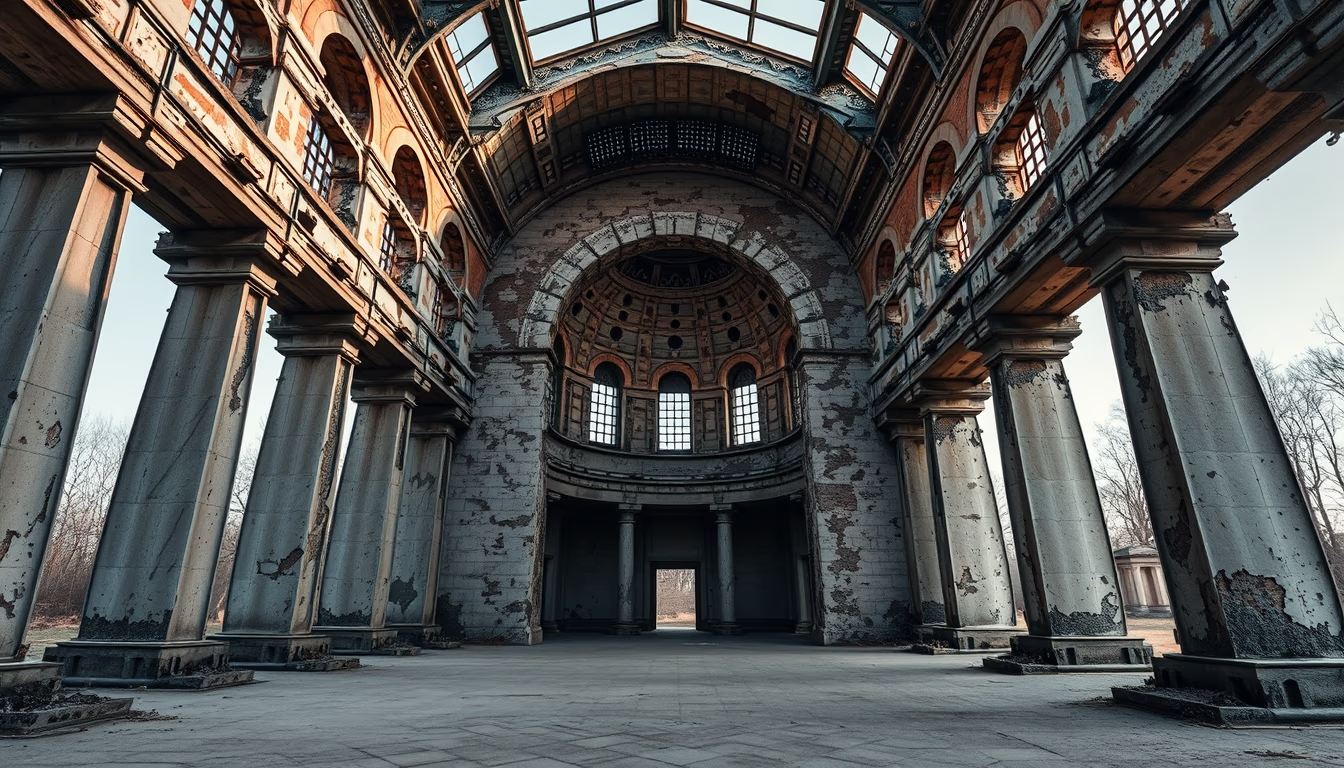
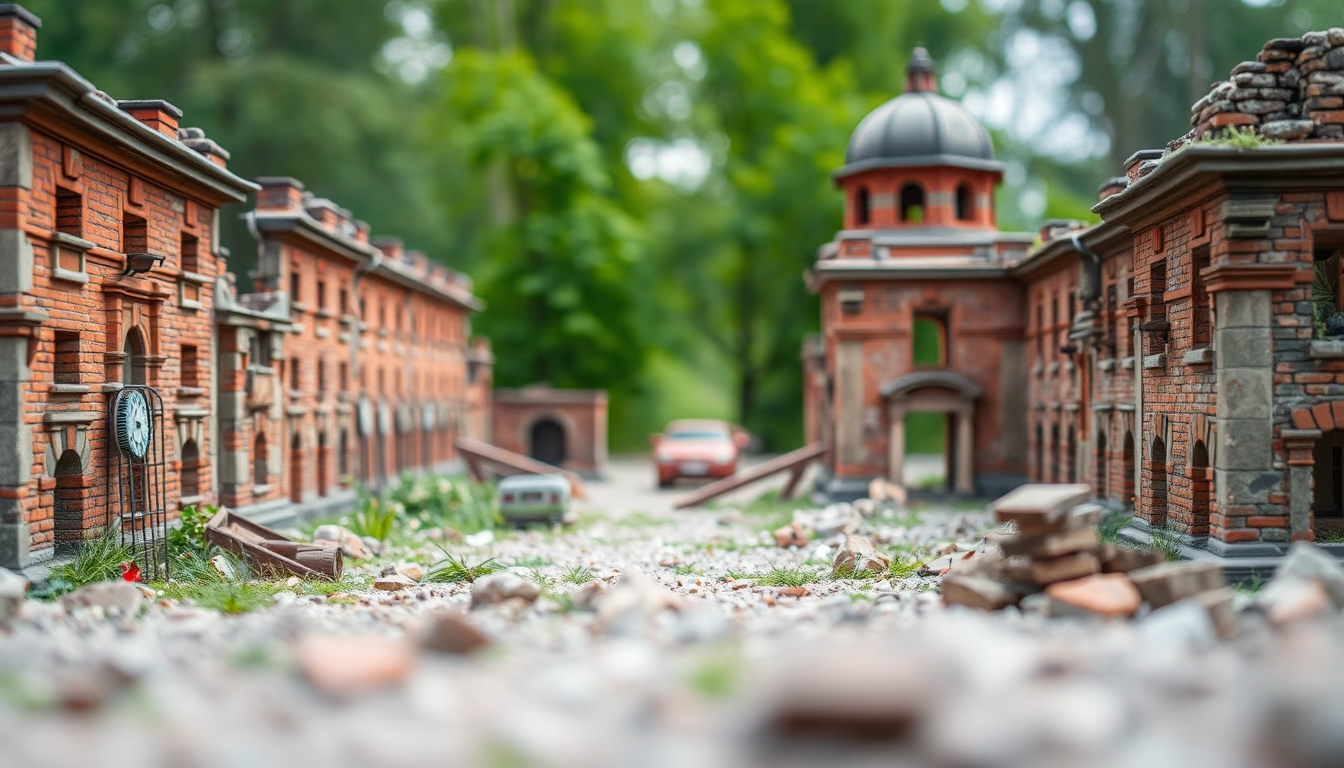
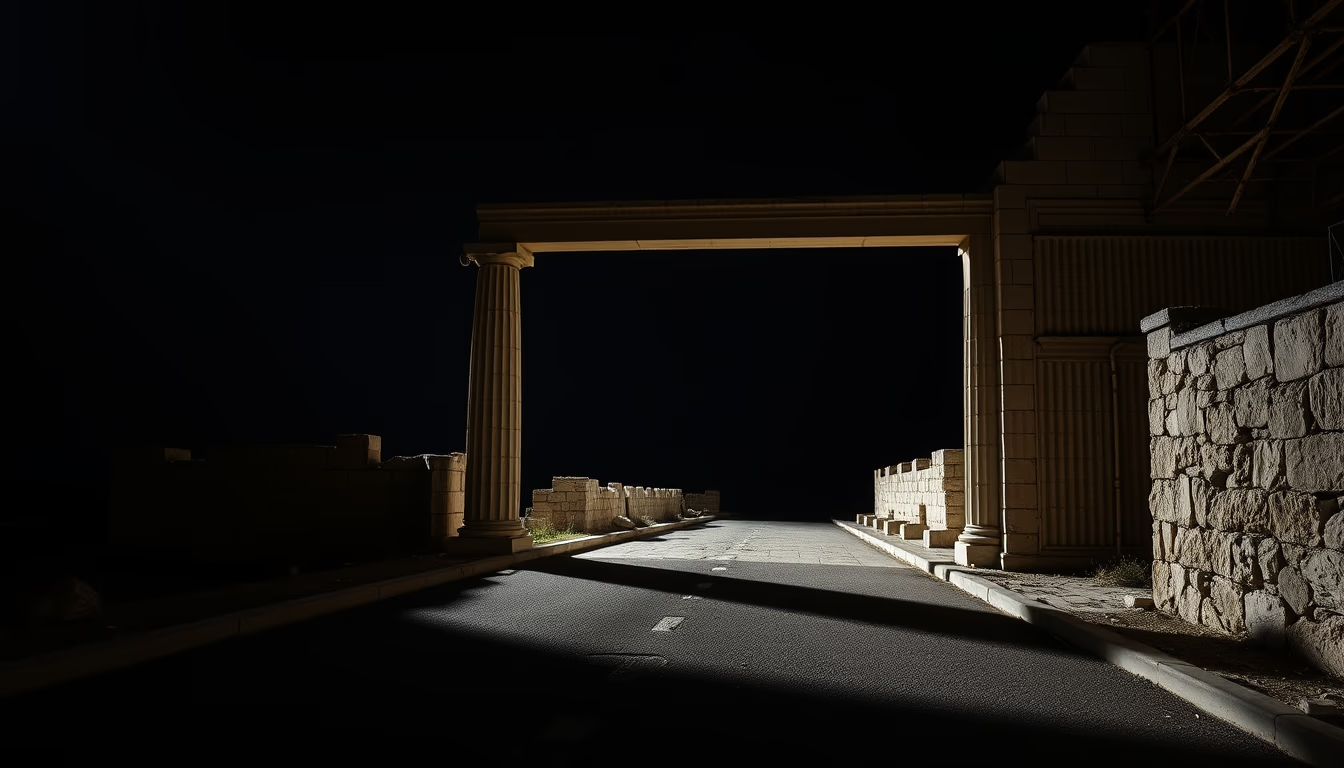
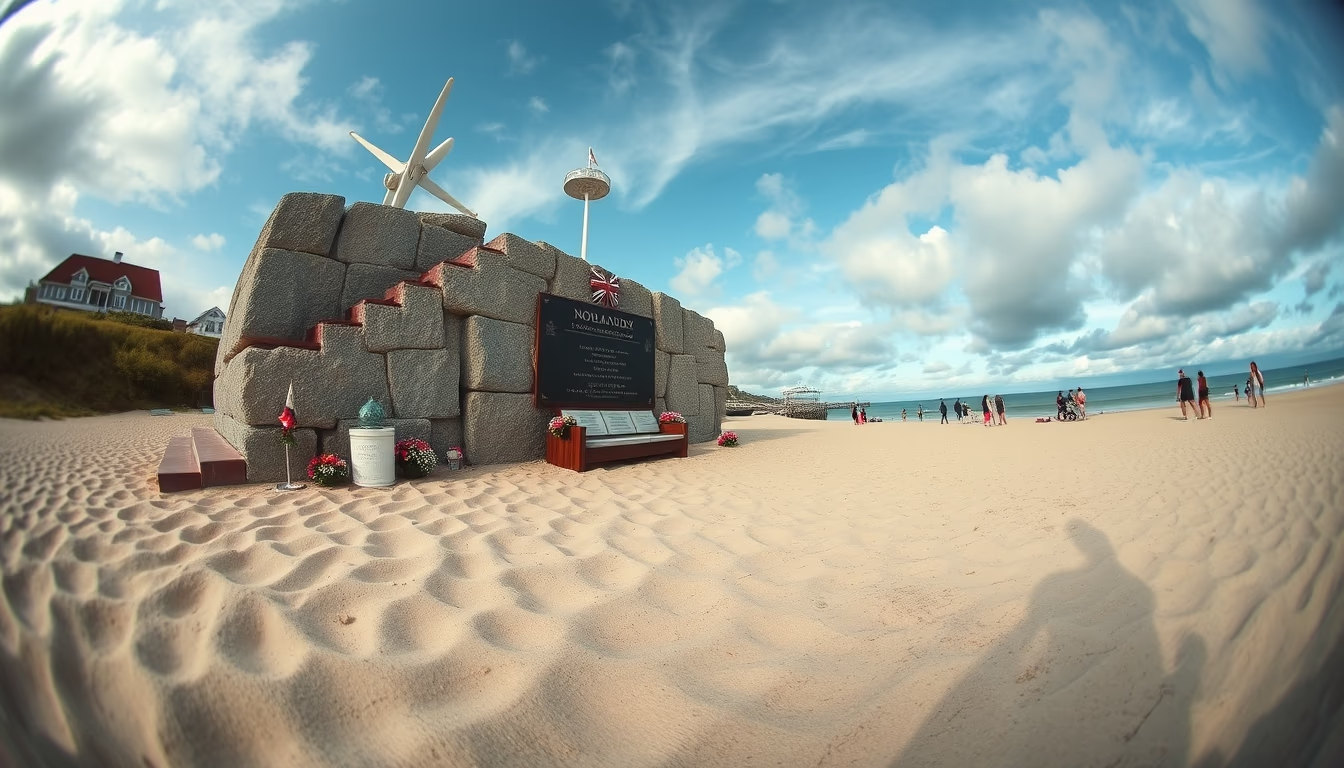
Ruins of Stalingrad, site of one of the bloodiest battles of World War II, where the city was razed and the turning point of the conflict took place.
About this subject
The Battle of Stalingrad, fought between August 23, 1942 and February 2, 1943, was the decisive engagement of World War II on the Eastern Front. Involving the German Army and Soviet forces, the struggle for the industrial city on the Volga River resulted in over 2 million casualties among soldiers and civilians. The city, then a major center for tank and armament production, was reduced to rubble by aerial bombings and house-to-house combat.
The ruins of Stalingrad became a symbol of Soviet resistance. Factories that remained operational, such as the Stalingrad Tractor Factory, turned into brutal battlegrounds while still producing weapons. The harsh winter of 1942-1943 worsened the situation for German troops, who, surrounded, suffered from lack of supplies. The surrender of Field Marshal Friedrich Paulus on January 31, 1943 marked the first major defeat of the Third Reich and the beginning of the Soviet advance toward Berlin.
After the war, the city was rebuilt and renamed Volgograd in 1961. However, original ruins were preserved in some locations as memorials. The Battle of Stalingrad Museum and the monument The Motherland Calls, erected on Mamayev Kurgan, now attract visitors from around the world. The scars of the battle are still visible in structures like the Gerhardt Mill, maintained as a deliberate ruin to remind of wartime destruction.
The battle also had immense cultural impact. Vasily Grossman's novel 'Life and Fate' and Joseph Vilsmaier's film 'Stalingrad' (1993) are examples of works portraying the horrors and bravery of the conflict. The ruins of Stalingrad are not merely historical remnants but a reminder of human resilience and the capacity to rebuild.
Frequently Asked Questions
How many people died in the Battle of Stalingrad?
Estimates vary, but it is believed that over 2 million people, including soldiers and civilians, died. The battle is considered one of the bloodiest in history.
Why was Stalingrad strategically important?
Stalingrad was a vital industrial center for Soviet armament production and controlled access to the Volga River and the oil fields of the Caucasus. Its capture would cut Soviet supply lines.
What remains of the ruins of Stalingrad after the war?
Much of the city was rebuilt, but some ruins were preserved, such as the Gerhardt Mill and parts of Mamayev Kurgan. They serve as memorials of the battle.
Direct URL
https://pub-c7d6a6ea828543ac903a74a341ccb2e1.r2.dev/imagens/stalingrad-ruins-architectural-photography-fresh10.avifHow to credit
Include a visible link back to UtilizAí. Copy one of the snippets below:
<a href="https://xn--utiliza-eza.com/en/midia/imagens/stalingrad-ruins-architectural-photography-fresh10">Stalingrad ruins</a> by <a href="https://xn--utiliza-eza.com">UtilizAí</a>, licensed under <a href="https://creativecommons.org/licenses/by/4.0/">CC BY 4.0</a>.
[Stalingrad ruins](https://xn--utiliza-eza.com/en/midia/imagens/stalingrad-ruins-architectural-photography-fresh10) by [UtilizAí](https://xn--utiliza-eza.com), CC BY 4.0
License: CC-BY-4.0