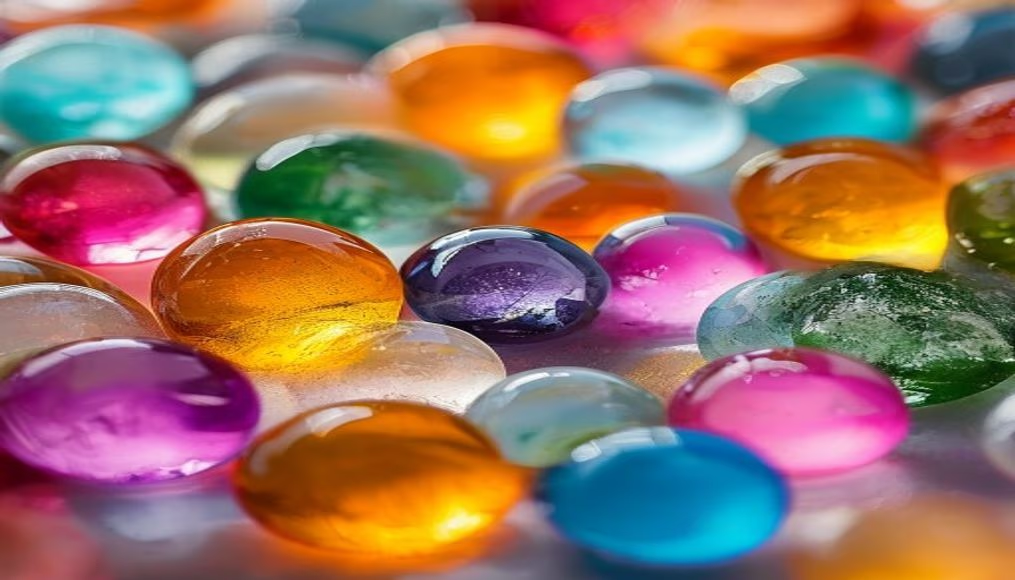
Stained glass workshop
1344×768 · AVIF · CC BY 4.0
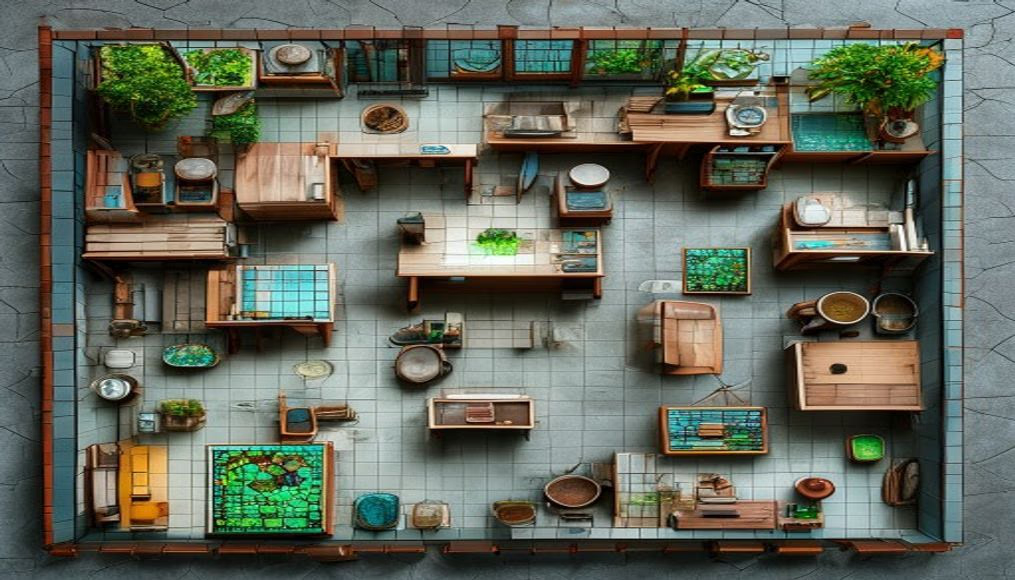
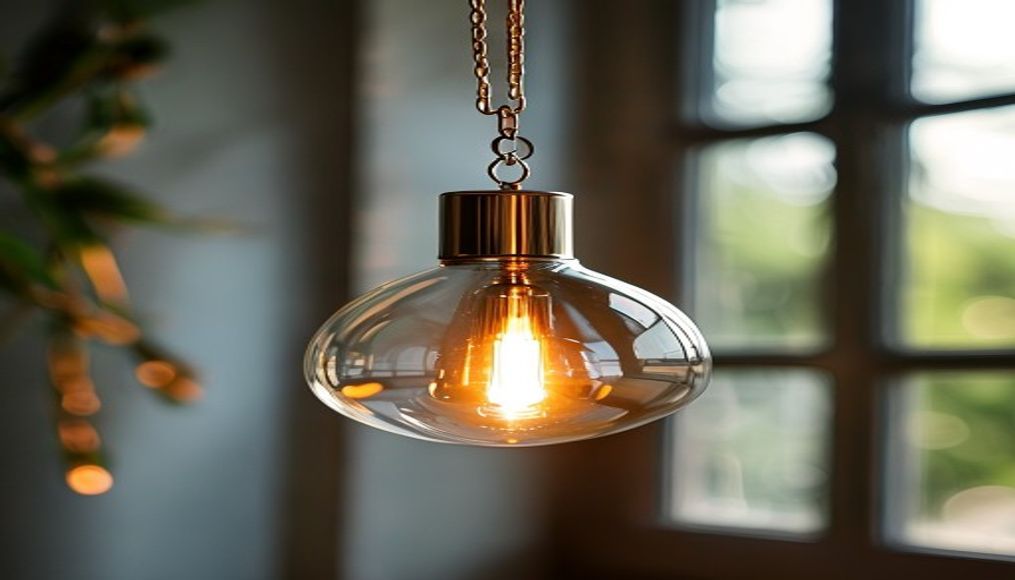
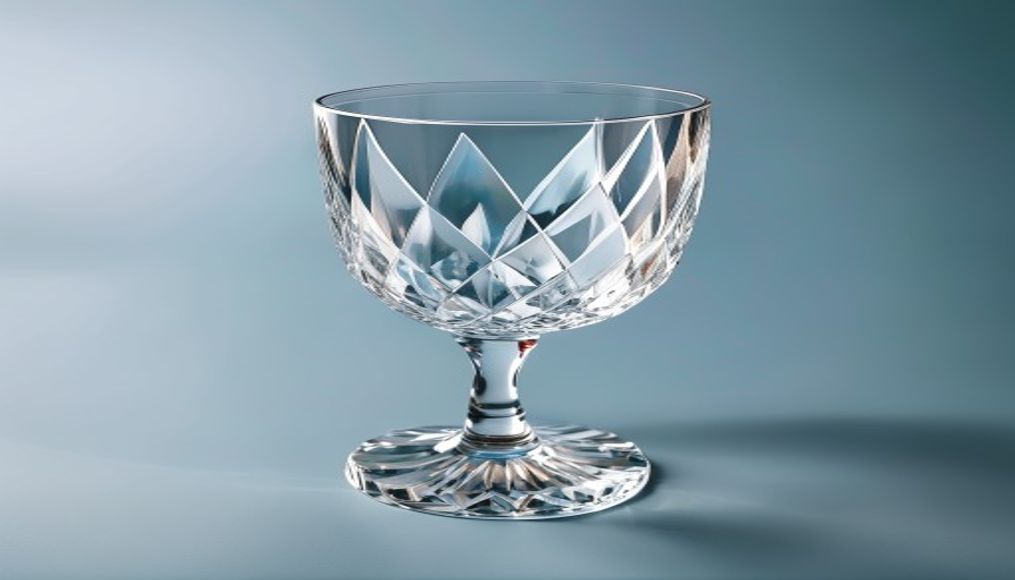
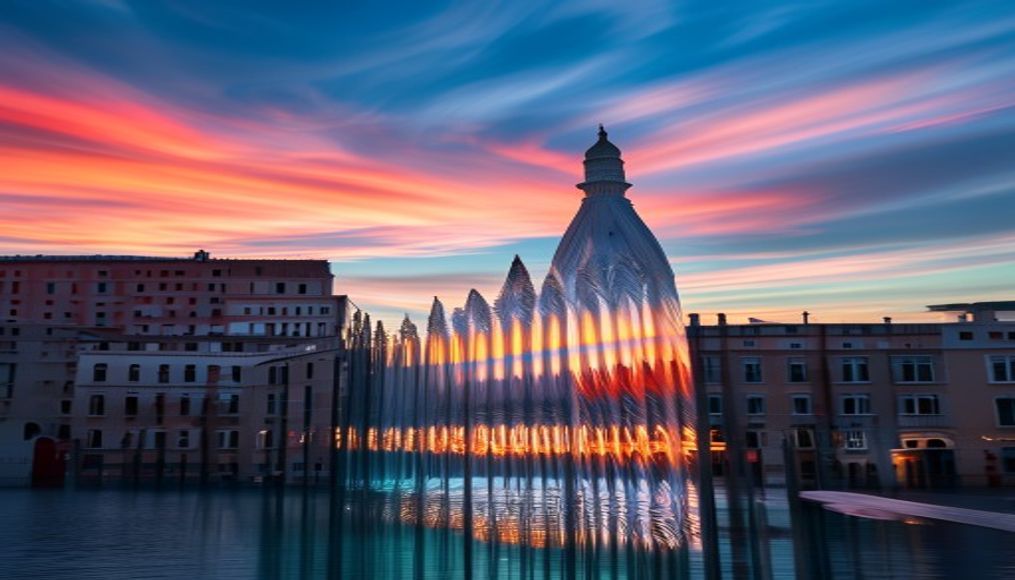
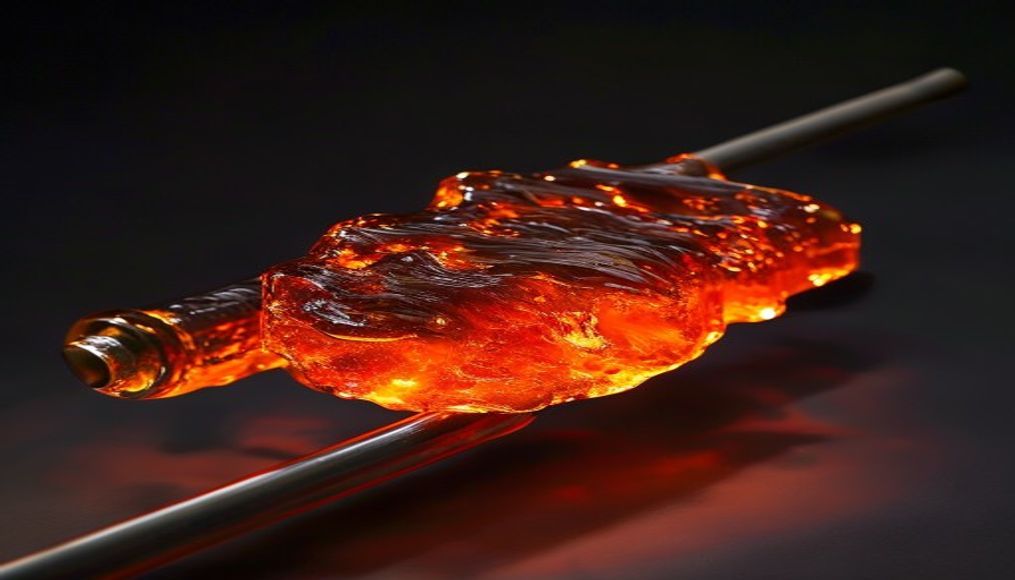
A stained glass workshop reveals the handcrafted universe behind this ancient technique that combines light, color, and glass.
About this subject
The art of stained glass dates back to the Middle Ages, when Gothic cathedrals such as Chartres in France used large panels of colored glass to narrate biblical stories to a mostly illiterate congregation. The handcrafted process involves cutting pieces of glass tinted with metal oxides (cobalt for blue, gold for red) and joining them with lead strips, forming compositions that, when illuminated by natural light, create stunning effects.
In Brazil, stained glass gained prominence in the 19th century with the arrival of European immigrants and flourished in neo-Gothic churches, such as the Sé Cathedral in São Paulo and the Church of São Francisco de Assis in Belo Horizonte, the latter featuring panels designed by Portinari. Today, contemporary artists explore stained glass in sculptures, abstract panels, and even interactive installations, keeping the tradition alive.
The typical workshop brings together specific tools: a glass cutter (with a tungsten carbide tip), breaking pliers, a soldering iron for joining lead strips, and a light table to visualize the fit of pieces. Precision in cutting and color choice are crucial, as any mistake can compromise the structure or visual harmony of the piece.
The technique, though seemingly ancient, is experiencing a revival in interior design and sustainable architecture. Modern stained glass panels can incorporate recycled glass and fusing techniques, bringing this millennia-old art form closer to contemporary ecological concerns.
Frequently Asked Questions
What are the basic materials needed to make stained glass?
Essential materials include colored glass, lead came, solder, flux, and tools such as a glass cutter, pliers, and a soldering iron. The choice of glass and lead thickness varies by project.
Is stained glass a difficult technique to learn?
Yes, it requires patience and practice. Precise glass cutting, soldering, and proper fitting demand training. Introductory courses last 20, 40 hours, but full mastery takes years.
Where can I see historical stained glass examples in Brazil?
Churches such as São Paulo's Sé Cathedral, Belo Horizonte's Church of São Francisco de Assis, and Brasília's Cathedral feature notable windows. Many museums and public buildings also display contemporary pieces.
Direct URL
https://pub-c7d6a6ea828543ac903a74a341ccb2e1.r2.dev/imagens/stained-glass-workshop-isometric-flat-lay-p3.avifHow to credit
Include a visible link back to UtilizAí. Copy one of the snippets below:
<a href="https://xn--utiliza-eza.com/en/midia/imagens/stained-glass-workshop-isometric-flat-lay-p3">Stained glass workshop</a> by <a href="https://xn--utiliza-eza.com">UtilizAí</a>, licensed under <a href="https://creativecommons.org/licenses/by/4.0/">CC BY 4.0</a>.
[Stained glass workshop](https://xn--utiliza-eza.com/en/midia/imagens/stained-glass-workshop-isometric-flat-lay-p3) by [UtilizAí](https://xn--utiliza-eza.com), CC BY 4.0
License: CC-BY-4.0