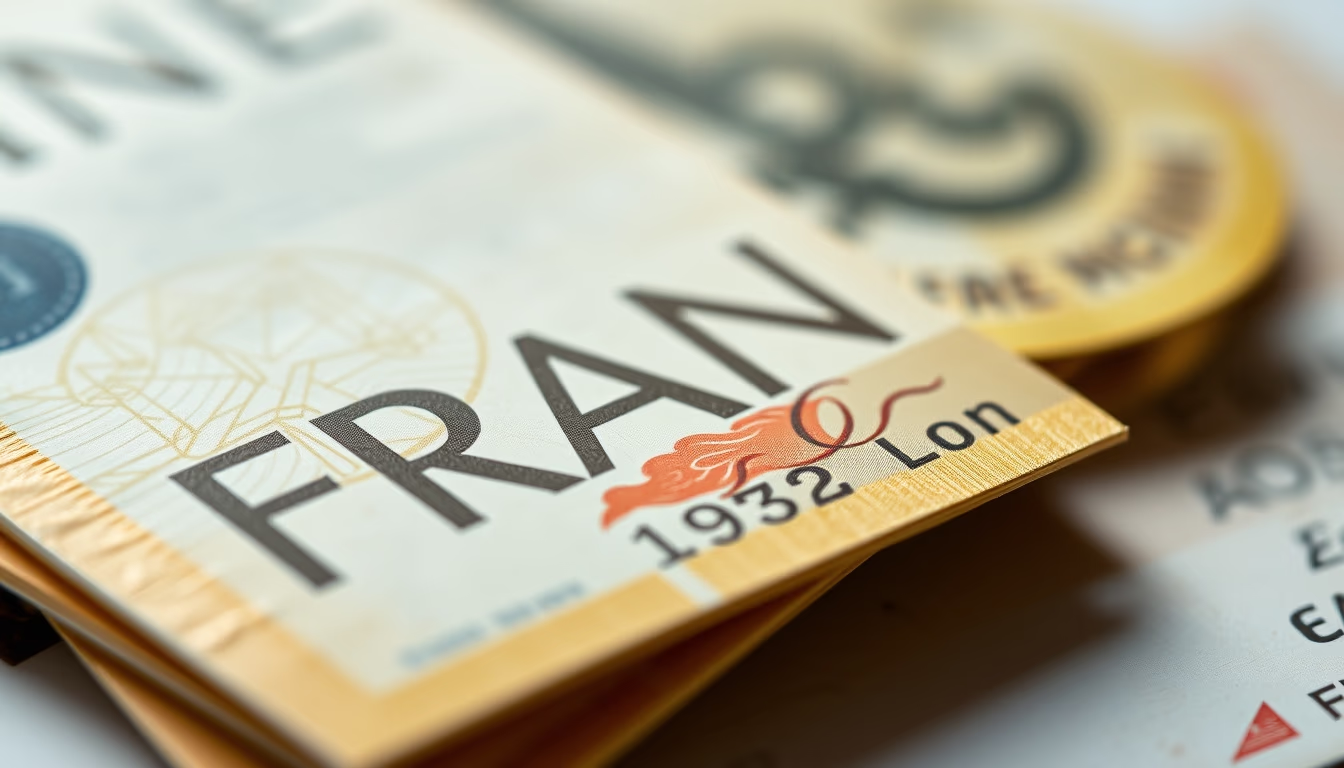
Spanish doubloon gold
1344×768 · AVIF · CC BY 4.0
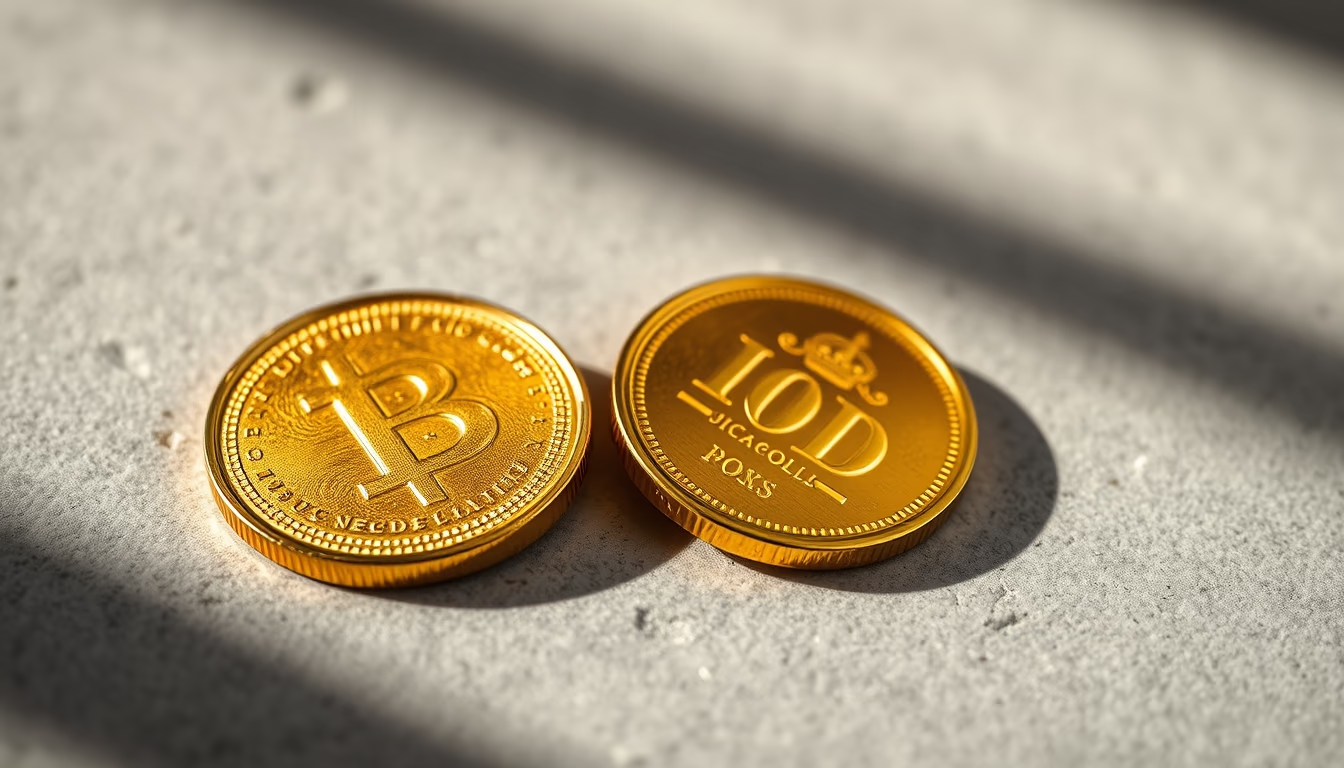
The Spanish gold doubloon was an iconic coin of the Spanish Empire, minted from the 16th to 19th centuries and used as a global trade standard.
About this subject
The Spanish gold doubloon, also called doblón, was a high-value gold coin minted by Spain from the reign of Charles I (Holy Roman Emperor Charles V) until the mid-19th century. Its name comes from the Spanish doblón, meaning 'double,' as it was originally worth two escudos of gold. A typical doubloon weighed about 6.77 grams of 22-karat gold, equivalent to roughly 2 escudos.
These coins were struck primarily at mints in Spain and its American colonies, such as Mexico, Peru, and Colombia. They were widely used in trade with the Indies and across Europe, becoming an international standard of exchange. Doubloons often bore the Spanish royal coat of arms on one side and a cross or the monarch's bust on the other.
Production of gold doubloons declined after the Napoleonic Wars and the independence of Latin American colonies, but the coin remained in circulation until the late 19th century. Today, original doubloons are highly valued collectibles, especially those in good condition and from the period of the Spanish treasure fleets.
Interestingly, the doubloon is often associated with pirates and buried treasure in popular culture, but historically it was a respected legal tender coin. The Spanish doubloon influenced the coinage of several other nations and remains a symbol of wealth in heraldry and literature.
Frequently Asked Questions
What was the value of a Spanish gold doubloon?
A doubloon was worth two escudos of gold, approximately 6.77 grams of 22-karat gold. In the 17th century, its purchasing power was significant; for instance, it could buy a horse or pay several months' rent.
Where were Spanish doubloons minted?
They were minted in Spain (mainly in Seville and Madrid) and in the American colonies such as Mexico (Mexico City), Peru (Lima), and Colombia (Bogotá). Coins from the colonies were known as 'Indies doubloons.'
Why are doubloons associated with pirates?
The association arises because these coins were used in transatlantic trade and carried on Spanish ships, often targeted by pirates and privateers. Many shipwreck treasures, such as the 1715 fleet, contained thousands of doubloons.
Direct URL
https://pub-c7d6a6ea828543ac903a74a341ccb2e1.r2.dev/imagens/spanish-doubloon-gold-magazine-editorial-fresh6.avifHow to credit
Include a visible link back to UtilizAí. Copy one of the snippets below:
<a href="https://xn--utiliza-eza.com/en/midia/imagens/spanish-doubloon-gold-magazine-editorial-fresh6">Spanish doubloon gold</a> by <a href="https://xn--utiliza-eza.com">UtilizAí</a>, licensed under <a href="https://creativecommons.org/licenses/by/4.0/">CC BY 4.0</a>.
[Spanish doubloon gold](https://xn--utiliza-eza.com/en/midia/imagens/spanish-doubloon-gold-magazine-editorial-fresh6) by [UtilizAí](https://xn--utiliza-eza.com), CC BY 4.0
License: CC-BY-4.0