Sourdough bread fresh
1344×768 · AVIF · CC BY 4.0
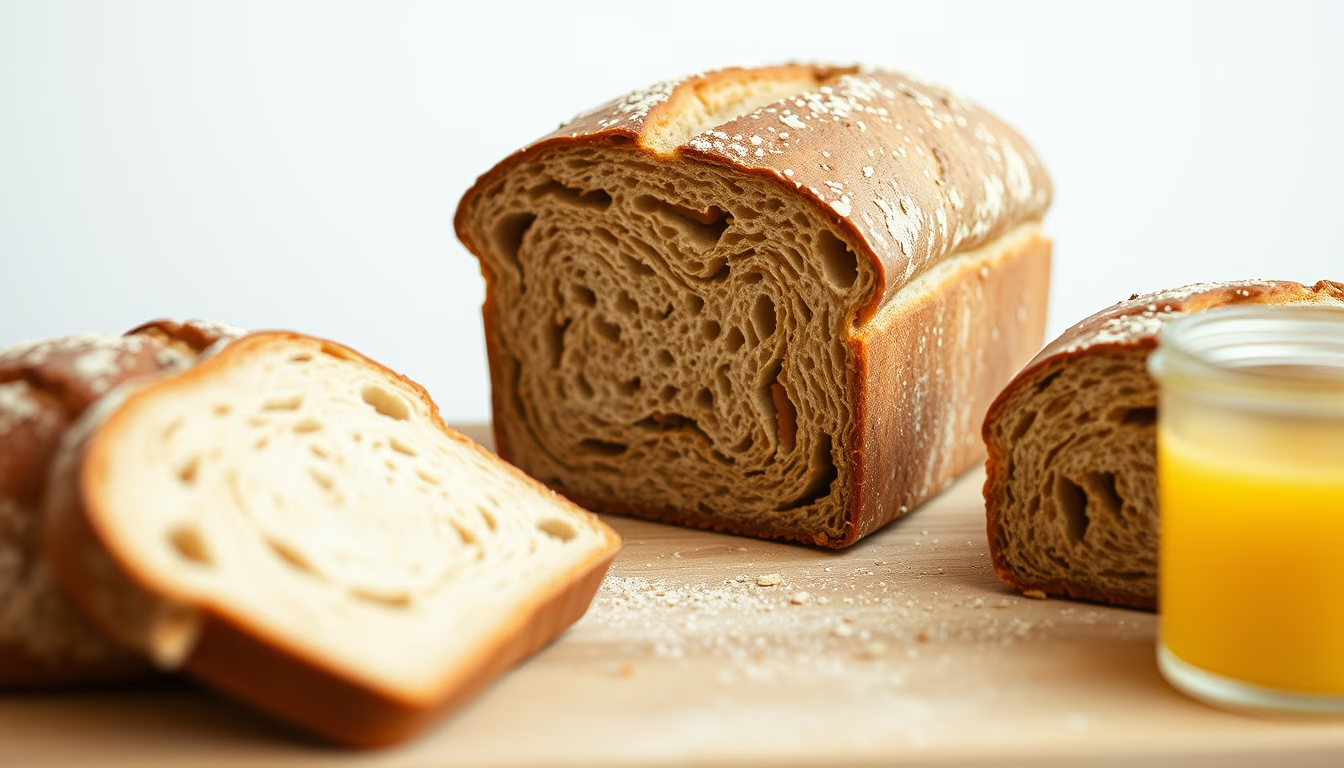
Sourdough bread, fermented solely by wild yeast and bacteria, revives ancient techniques and now symbolizes artisanal baking.
About this subject
Sourdough is a type of bread made without commercial yeast, relying solely on a natural culture of wild yeast and lactic acid bacteria known as a starter or levain. This technique dates back to ancient Egypt, around 1500 BCE, and remained the standard leavening method until the late 19th century, when industrial yeast became widespread. The fermentation process is longer, typically 12 to 24 hours, which develops complex, tangy flavors and a characteristic open crumb texture.
The biology behind sourdough is fascinating: the symbiosis between yeasts (e.g., Saccharomyces cerevisiae) and bacteria (mainly Lactobacillus) produces carbon dioxide and organic acids, such as acetic and lactic acid. The resulting acidity inhibits unwanted mold growth and gives the bread a longer shelf life. Studies show that sourdough has a lower glycemic index than conventional bread and improves mineral bioavailability because phytic acid is neutralized during fermentation.
Culturally, sourdough has deep roots across the globe. In California, the famous San Francisco sourdough relies on a specific strain, Lactobacillus sanfranciscensis, adapted to the local climate. In Germany, naturally fermented rye bread (Roggenbrot) is a dietary staple, while in Italy, panettone and ciabatta often use levain. The COVID-19 pandemic sparked a renaissance in home sourdough baking, with countless people cultivating their own starters and sharing recipes online.
Today, sourdough represents more than bread: it embodies a return to slow food, beneficial microbiota, and a connection to basic ingredients. Its sensory complexity, from slightly acidic aromas to nutty flavors, appeals to both amateur bakers and renowned chefs. Maintaining an active starter requires regular feeding and temperature control, but the reward is a unique loaf with character and history.
Frequently Asked Questions
What is the difference between sourdough and regular bread?
Sourdough uses a natural starter instead of commercial yeast. The longer fermentation results in a tangier flavor, denser texture, and improved digestibility. Sourdough also has a longer shelf life and a lower glycemic index.
How do I keep my sourdough starter active?
Keep the starter at room temperature (20-25°C) and feed it with equal parts flour and water every 12-24 hours. If not using for days, refrigerate and feed once a week. Always discard some of the mixture before feeding to prevent excessive buildup.
Is sourdough actually healthier than regular bread?
For many people, yes. The long fermentation reduces gluten and phytic acid, aiding digestion and mineral absorption. The glycemic index is lower, which helps blood sugar control. However, celiacs should still avoid it because gluten is not completely eliminated.
Direct URL
https://pub-c7d6a6ea828543ac903a74a341ccb2e1.r2.dev/imagens/sourdough-bread-fresh-film-grain-authentic-p4.avifHow to credit
Include a visible link back to UtilizAí. Copy one of the snippets below:
<a href="https://xn--utiliza-eza.com/en/midia/imagens/sourdough-bread-fresh-film-grain-authentic-p4">Sourdough bread fresh</a> by <a href="https://xn--utiliza-eza.com">UtilizAí</a>, licensed under <a href="https://creativecommons.org/licenses/by/4.0/">CC BY 4.0</a>.
[Sourdough bread fresh](https://xn--utiliza-eza.com/en/midia/imagens/sourdough-bread-fresh-film-grain-authentic-p4) by [UtilizAí](https://xn--utiliza-eza.com), CC BY 4.0
License: CC-BY-4.0