Smart traffic signal
1344×768 · AVIF · CC BY 4.0
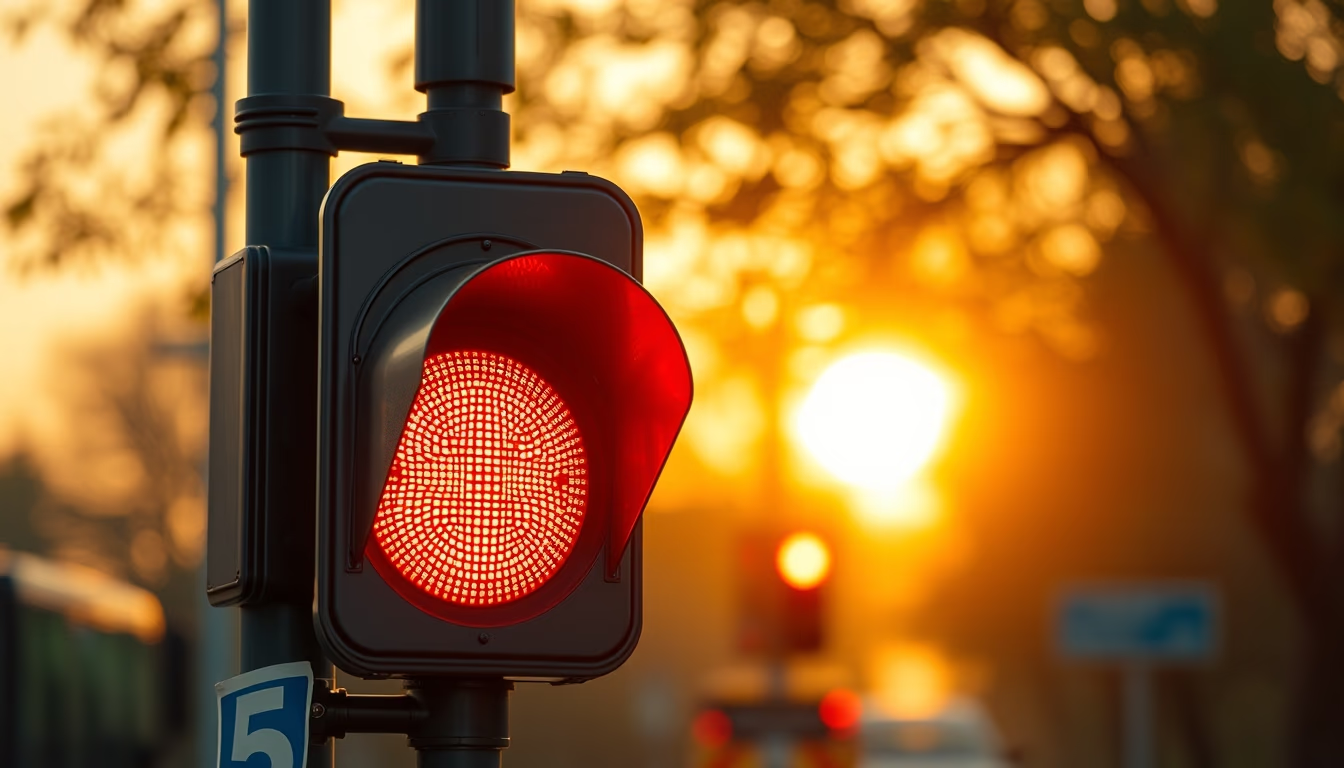
Smart traffic signals use sensors and AI to adjust timings in real time, reducing congestion and emissions in modern cities.
About this subject
Smart traffic signals represent an evolution of traditional traffic control systems. Unlike fixed-time traffic lights, they use sensors such as cameras, radars, and inductive loops to monitor real-time vehicle and pedestrian flow. Machine learning algorithms process this data and automatically adjust signal cycles to optimize mobility. Cities like São Paulo and Curitiba are already piloting such technologies to tackle chronic congestion.
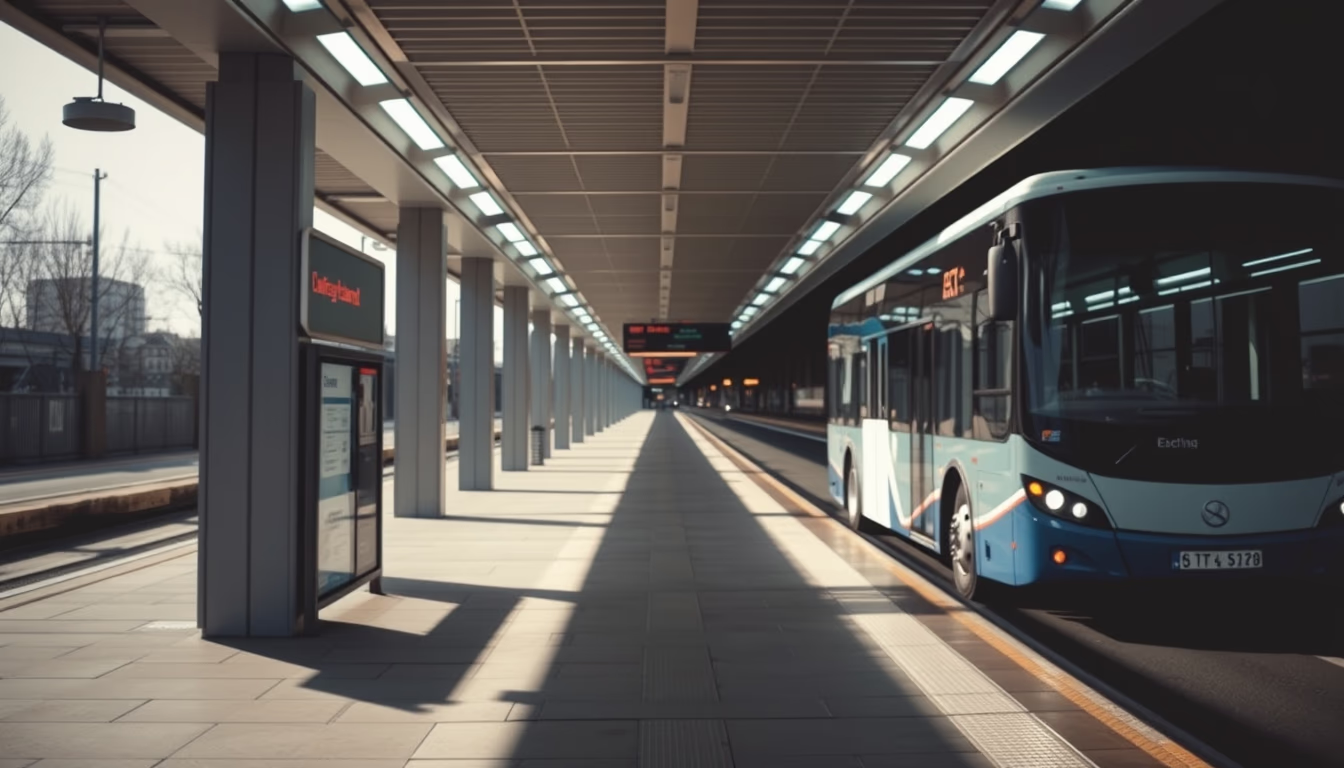
The benefits are significant. Studies show that smart traffic signals can reduce average travel time by up to 30%, decrease stops and accelerations, and cut fuel consumption and CO2 emissions proportionally. They also prioritize public transport, buses, and emergency vehicles by granting faster passage. This improves overall traffic system efficiency.
Despite the advantages, adoption faces challenges. Installation and maintenance costs are high, and integration with existing infrastructure requires standardization. Privacy concerns also arise from collecting vehicle and pedestrian data. The future trend is combining with vehicle-to-infrastructure (V2I) and 5G networks, enabling signals to communicate directly with autonomous vehicles for smoother, safer traffic.
Frequently Asked Questions
How do smart traffic signals work?
They use sensors like cameras and radars to detect vehicle and pedestrian flow. AI algorithms adjust signal timings in real time based on actual demand, rather than fixed cycles.
Which Brazilian cities have smart traffic signals?
Cities such as São Paulo, Curitiba, and Belo Horizonte have pilot projects or systems installed on specific corridors. Implementation is still limited but growing.
Can smart traffic signals reduce accidents?
Yes, by reducing abrupt stops and starts and adapting green times to heavy flows, they decrease rear-end collisions and pedestrian accidents. Emergency prioritization also helps.
Direct URL
https://pub-c7d6a6ea828543ac903a74a341ccb2e1.r2.dev/imagens/smart-traffic-signal-cinematic-wide-shot-p0.avifHow to credit
Include a visible link back to UtilizAí. Copy one of the snippets below:
<a href="https://xn--utiliza-eza.com/en/midia/imagens/smart-traffic-signal-cinematic-wide-shot-p0">Smart traffic signal</a> by <a href="https://xn--utiliza-eza.com">UtilizAí</a>, licensed under <a href="https://creativecommons.org/licenses/by/4.0/">CC BY 4.0</a>.
[Smart traffic signal](https://xn--utiliza-eza.com/en/midia/imagens/smart-traffic-signal-cinematic-wide-shot-p0) by [UtilizAí](https://xn--utiliza-eza.com), CC BY 4.0
License: CC-BY-4.0