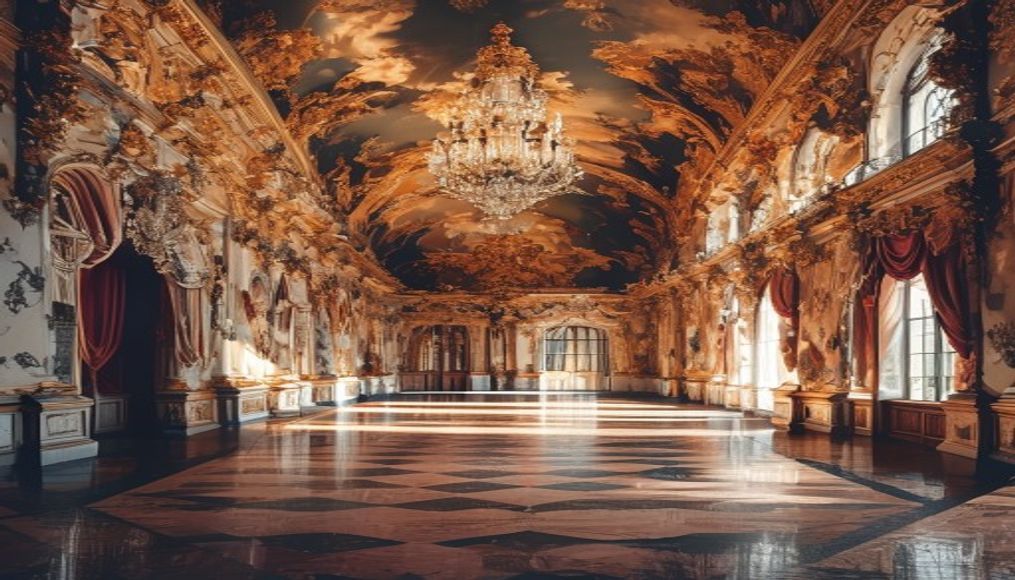
Sistine chapel detail
1344×768 · AVIF · CC BY 4.0
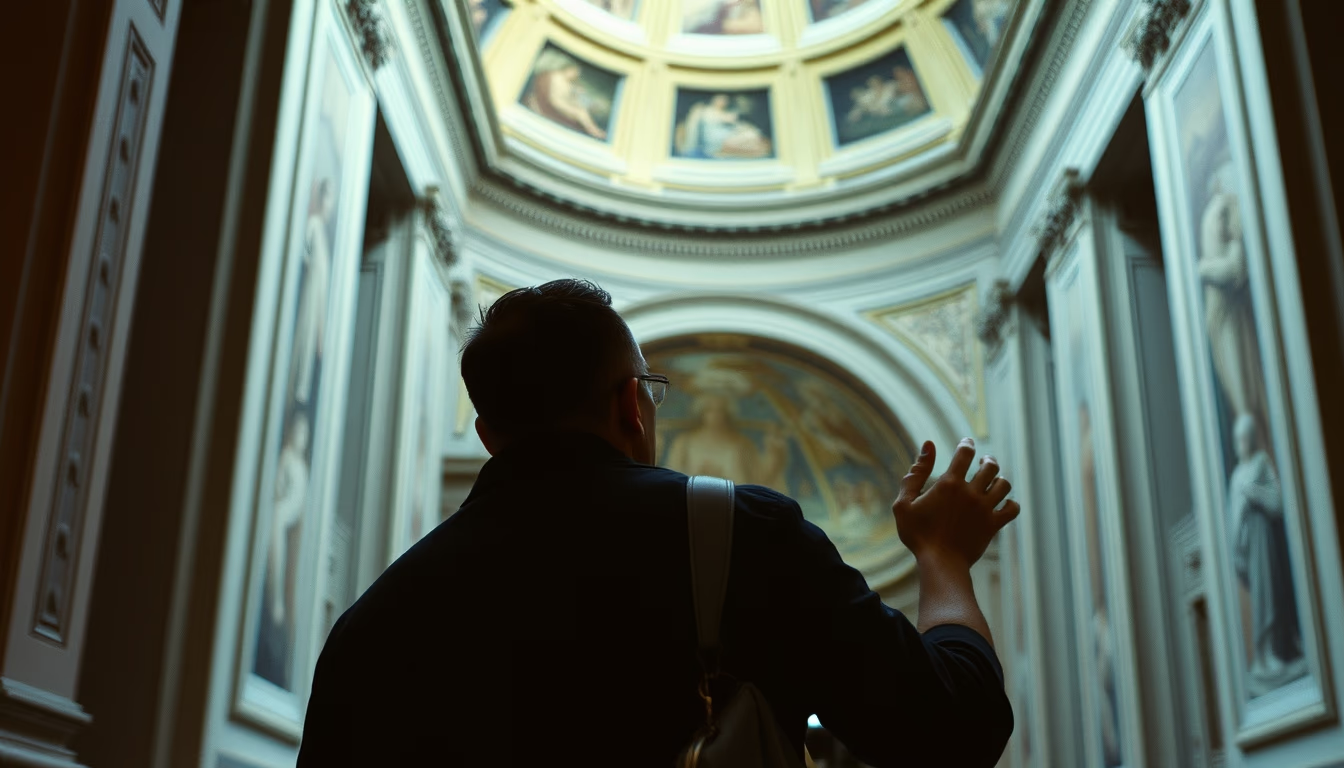
Details of the Sistine Chapel frescoes, Michelangelo's masterpiece in the Vatican, reveal the genius of the Italian Renaissance.
About this subject
The Sistine Chapel, located in the Apostolic Palace in Vatican City, is one of the most iconic sites in art history. Built between 1473 and 1481 under Pope Sixtus IV, from whom it derives its name, the chapel originally featured a simple starry ceiling. It was Pope Julius II who commissioned Michelangelo to decorate the ceiling between 1508 and 1512, resulting in one of the greatest achievements of Western painting. The ceiling, with its nine scenes from the Book of Genesis, including the famous 'Creation of Adam', is renowned for its compositional complexity and masterful use of fresco technique. Later, between 1535 and 1541, Michelangelo returned to paint 'The Last Judgment' on the altar wall, a monumental work depicting the Second Coming of Christ and the fate of souls. The chapel also serves as the site of the papal conclave, where cardinals gather to elect a new pope. A fascinating detail is that the vibrant red used by Michelangelo in many figures was derived from cinnabar, a mercury mineral, whose application required skill to prevent darkening over time. Restorations carried out between 1980 and 1994 removed centuries of soot and grime, revealing surprisingly vivid original colors and details previously hidden.
Frequently Asked Questions
How long did Michelangelo take to paint the Sistine Chapel ceiling?
Michelangelo took about four years, from 1508 to 1512, to paint the ceiling frescoes. Despite being a sculptor, he developed innovative techniques while working on scaffolding.
How many figures are on the Sistine Chapel ceiling?
The ceiling contains over 300 figures, including prophets, sibyls, ancestors of Christ, and the central scenes from Genesis. Each figure was carefully designed to integrate with the painted architecture.
Why was The Last Judgment controversial?
The 'Last Judgment' was controversial for its nude figures and dramatic depiction of judgment. During the Council of Trent, there were calls to destroy it, but instead, painter Daniele da Volta was hired to add drapery over the most explicit parts.
Direct URL
https://pub-c7d6a6ea828543ac903a74a341ccb2e1.r2.dev/imagens/sistine-chapel-detail-film-grain-authentic-p2.avifHow to credit
Include a visible link back to UtilizAí. Copy one of the snippets below:
<a href="https://xn--utiliza-eza.com/en/midia/imagens/sistine-chapel-detail-film-grain-authentic-p2">Sistine chapel detail</a> by <a href="https://xn--utiliza-eza.com">UtilizAí</a>, licensed under <a href="https://creativecommons.org/licenses/by/4.0/">CC BY 4.0</a>.
[Sistine chapel detail](https://xn--utiliza-eza.com/en/midia/imagens/sistine-chapel-detail-film-grain-authentic-p2) by [UtilizAí](https://xn--utiliza-eza.com), CC BY 4.0
License: CC-BY-4.0