Sistine chapel ceiling
1344×768 · AVIF · CC BY 4.0
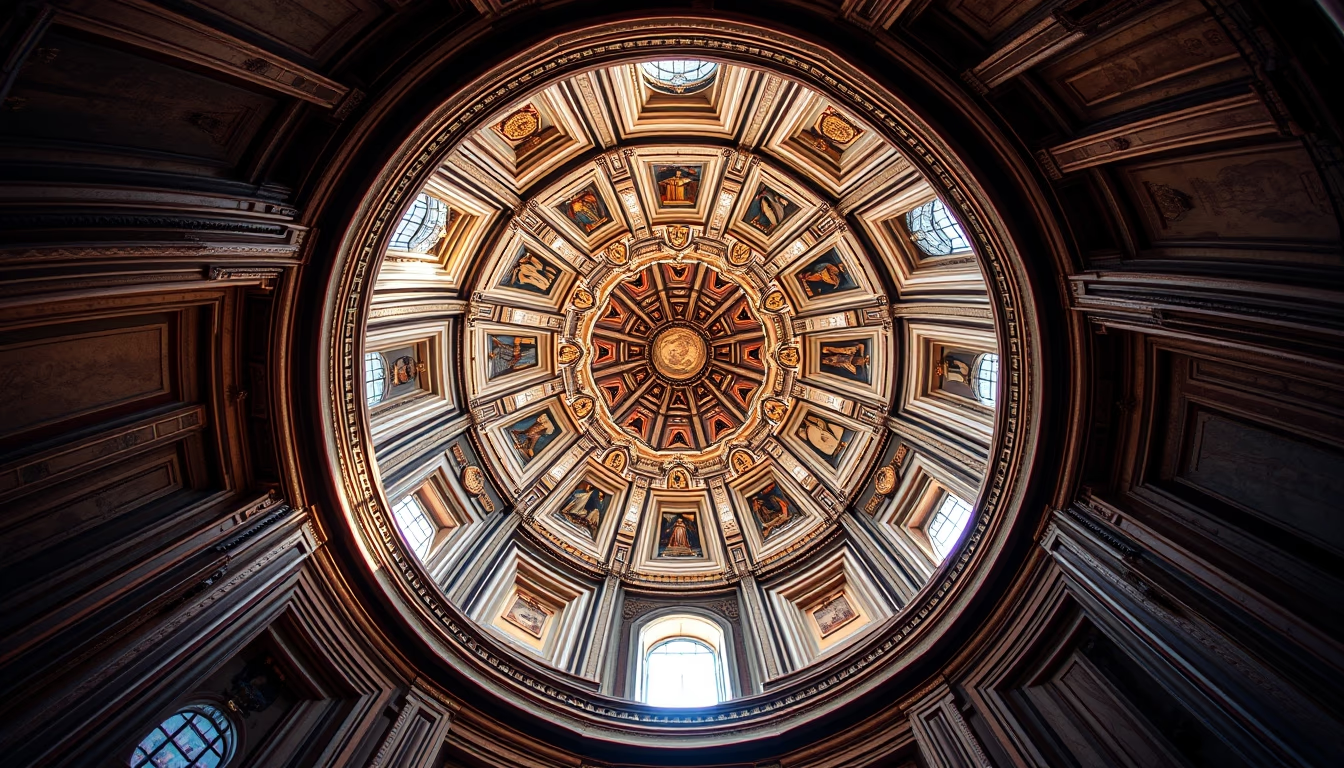
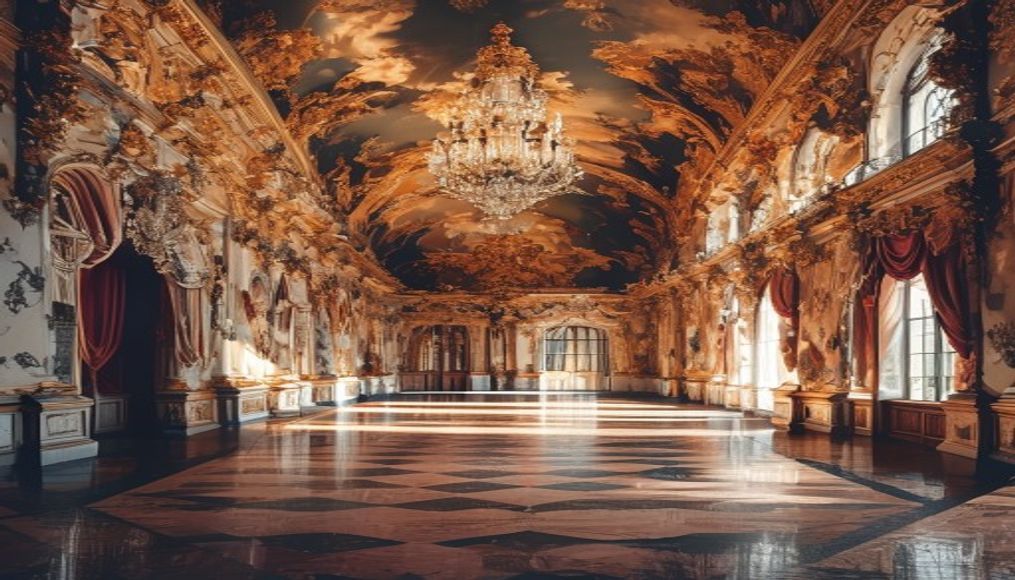
The Sistine Chapel ceiling, painted by Michelangelo between 1508 and 1512, is one of the greatest masterpieces of Renaissance art, depicting scenes from Genesis.
About this subject
The ceiling of the Sistine Chapel, located in the Apostolic Palace in Vatican City, was painted by Michelangelo Buonarroti at the request of Pope Julius II. The work covers approximately 500 square meters and consists of nine central panels that narrate stories from the Book of Genesis, from Creation to the Flood. The most iconic scene, The Creation of Adam, shows God touching Adam's finger, symbolizing the gift of life.
Michelangelo took four years to complete the fresco, working from 1508 to 1512. Despite considering himself more a sculptor than a painter, he accepted the challenge and developed an innovative technique for painting on a curved surface. The ceiling also features figures of prophets and sibyls, as well as ancestors of Christ, creating a complex theological narrative that connects the Old and New Testaments.
A comprehensive restoration carried out between 1980 and 1994 removed centuries of grime and soot, revealing vibrant colors that had been hidden. The work uncovered details such as facial expressions and the drapery of garments, changing the perception of the masterpiece. Today, the ceiling is considered one of the greatest treasures of Western art and attracts millions of visitors annually.
The composition includes illusionistic architectural elements, such as painted beams and niches, which create a sense of depth and three-dimensionality. The perspective was carefully designed to be viewed from below, and the use of contrasting colors enhances the drama of the scenes. The Sistine Chapel also serves as the site of the papal conclave, where new popes are elected, adding further historical and religious significance to the location.
Frequently Asked Questions
How long did Michelangelo take to paint the Sistine Chapel ceiling?
Michelangelo took four years, from 1508 to 1512, to complete the fresco on the ceiling, working under difficult conditions, often lying on scaffolding.
What does the most famous scene, The Creation of Adam, represent?
The scene shows God transmitting the spark of life to Adam through the touch of their fingers, symbolizing the creation of humanity and the relationship between the divine and human.
Why was the Sistine Chapel ceiling restored?
The restoration between 1980 and 1994 removed dirt, soot, and layers of glue and varnish that had darkened the original colors, revealing Michelangelo's vibrant palette and previously invisible details.
Direct URL
https://pub-c7d6a6ea828543ac903a74a341ccb2e1.r2.dev/imagens/sistine-chapel-ceiling-fish-eye-wide-angle-p3.avifHow to credit
Include a visible link back to UtilizAí. Copy one of the snippets below:
<a href="https://xn--utiliza-eza.com/en/midia/imagens/sistine-chapel-ceiling-fish-eye-wide-angle-p3">Sistine chapel ceiling</a> by <a href="https://xn--utiliza-eza.com">UtilizAí</a>, licensed under <a href="https://creativecommons.org/licenses/by/4.0/">CC BY 4.0</a>.
[Sistine chapel ceiling](https://xn--utiliza-eza.com/en/midia/imagens/sistine-chapel-ceiling-fish-eye-wide-angle-p3) by [UtilizAí](https://xn--utiliza-eza.com), CC BY 4.0
License: CC-BY-4.0