Sistine chapel ceiling
1344×768 · AVIF · CC BY 4.0
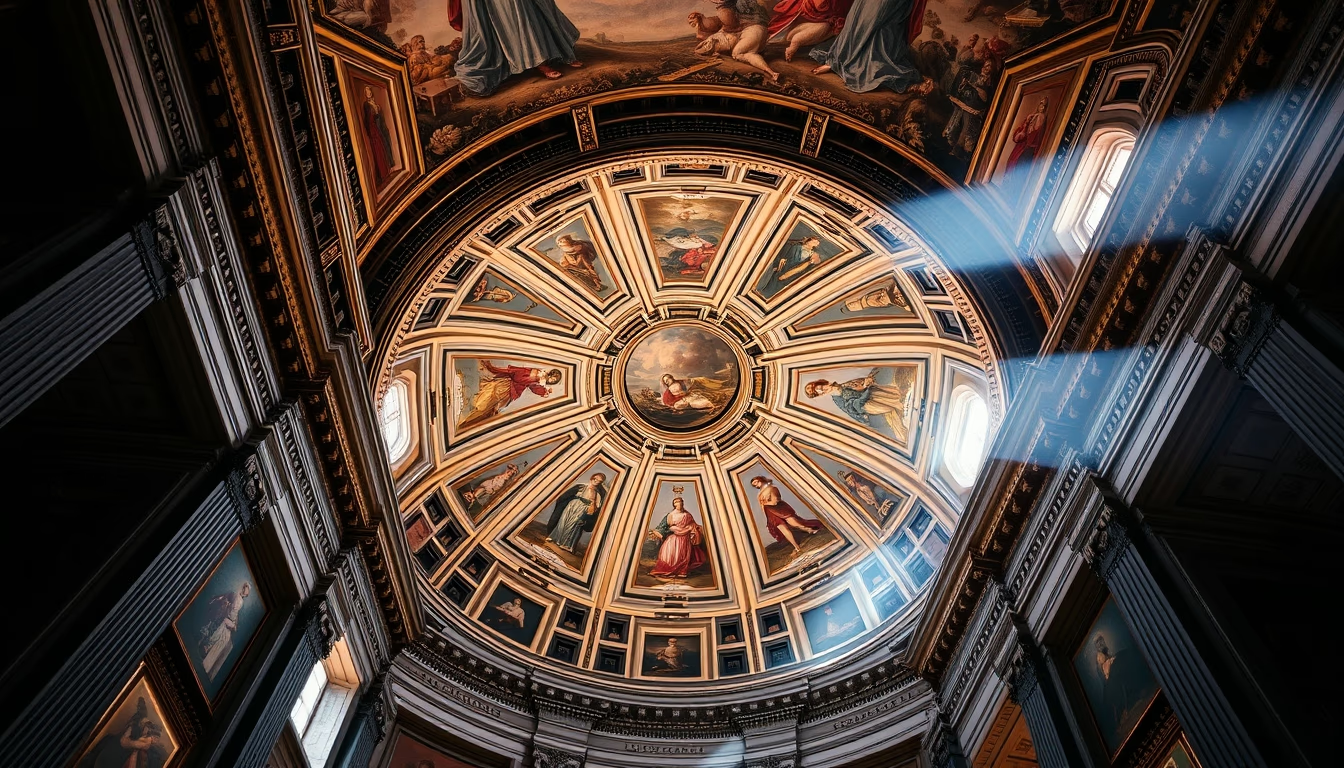
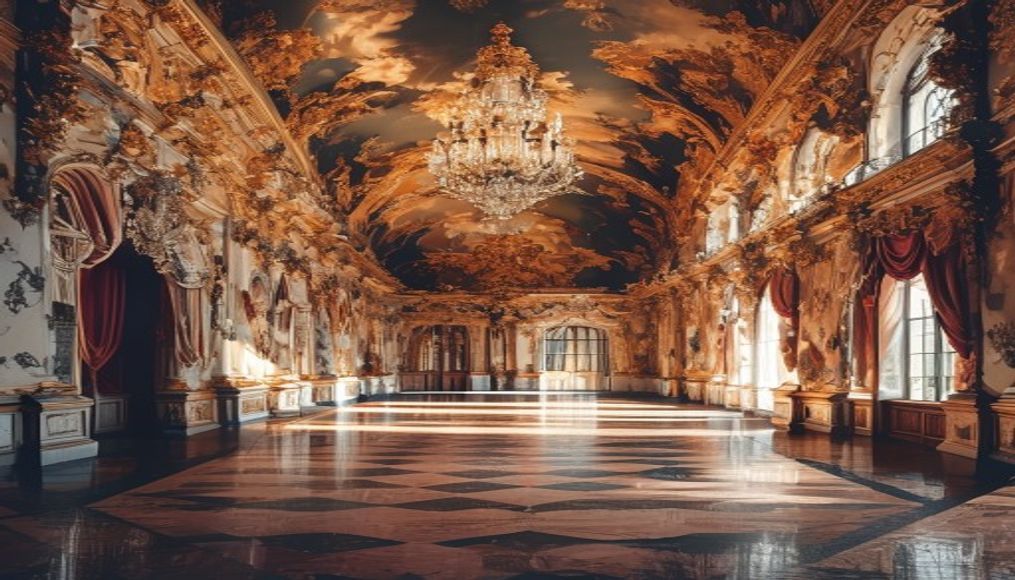
The Sistine Chapel ceiling, painted by Michelangelo between 1508 and 1512, is one of the masterpieces of Renaissance art in Vatican City.
About this subject
The ceiling of the Sistine Chapel, located in the Apostolic Palace in Vatican City, was painted by Michelangelo Buonarroti at the request of Pope Julius II. Despite his fame as a sculptor, Michelangelo reluctantly accepted the commission and spent four years (1508, 1512) completing the work. The technique used was fresco, where pigments are applied onto wet plaster, requiring speed and precision. To reach the curved ceiling, Michelangelo designed innovative scaffolding that allowed him to work standing up, contradicting the myth that he painted lying down.
The composition features nine central scenes from the Book of Genesis, ranging from the Separation of Light from Darkness to the Drunkenness of Noah. The most famous is the Creation of Adam, with God's finger about to touch Adam's, symbolizing the spark of life. Besides biblical figures, Michelangelo included prophets, sibyls, and the ancestors of Christ, totaling over 300 figures. The ceiling measures approximately 40 meters in length and 13 meters in width, covering an area of about 500 square meters.
After its completion, the work revolutionized Western art, influencing generations of artists with its dynamism and anatomical representation. In the 20th century, the ceiling underwent a controversial restoration (1980, 1994) that removed centuries of soot and revealed vibrant colors, but sparked debates about the loss of original shading. Today, the Sistine Chapel is one of the most visited sites in the world, also serving as the venue for the papal conclave.
Frequently Asked Questions
How long did Michelangelo take to paint the Sistine Chapel ceiling?
Michelangelo took four years, from 1508 to 1512, to complete the painting of the Sistine Chapel ceiling.
What painting technique was used on the Sistine Chapel ceiling?
The technique used was fresco, where pigments are applied onto wet plaster, requiring the artist to work quickly before the plaster dries.
Which scene on the Sistine Chapel ceiling is the most famous and what does it represent?
The most famous scene is the Creation of Adam, which depicts the moment God gives life to Adam, with their fingers nearly touching.
Direct URL
https://pub-c7d6a6ea828543ac903a74a341ccb2e1.r2.dev/imagens/sistine-chapel-ceiling-fine-art-photography-p11.avifHow to credit
Include a visible link back to UtilizAí. Copy one of the snippets below:
<a href="https://xn--utiliza-eza.com/en/midia/imagens/sistine-chapel-ceiling-fine-art-photography-p11">Sistine chapel ceiling</a> by <a href="https://xn--utiliza-eza.com">UtilizAí</a>, licensed under <a href="https://creativecommons.org/licenses/by/4.0/">CC BY 4.0</a>.
[Sistine chapel ceiling](https://xn--utiliza-eza.com/en/midia/imagens/sistine-chapel-ceiling-fine-art-photography-p11) by [UtilizAí](https://xn--utiliza-eza.com), CC BY 4.0
License: CC-BY-4.0