Siphon coffee brewer
1344×768 · AVIF · CC BY 4.0
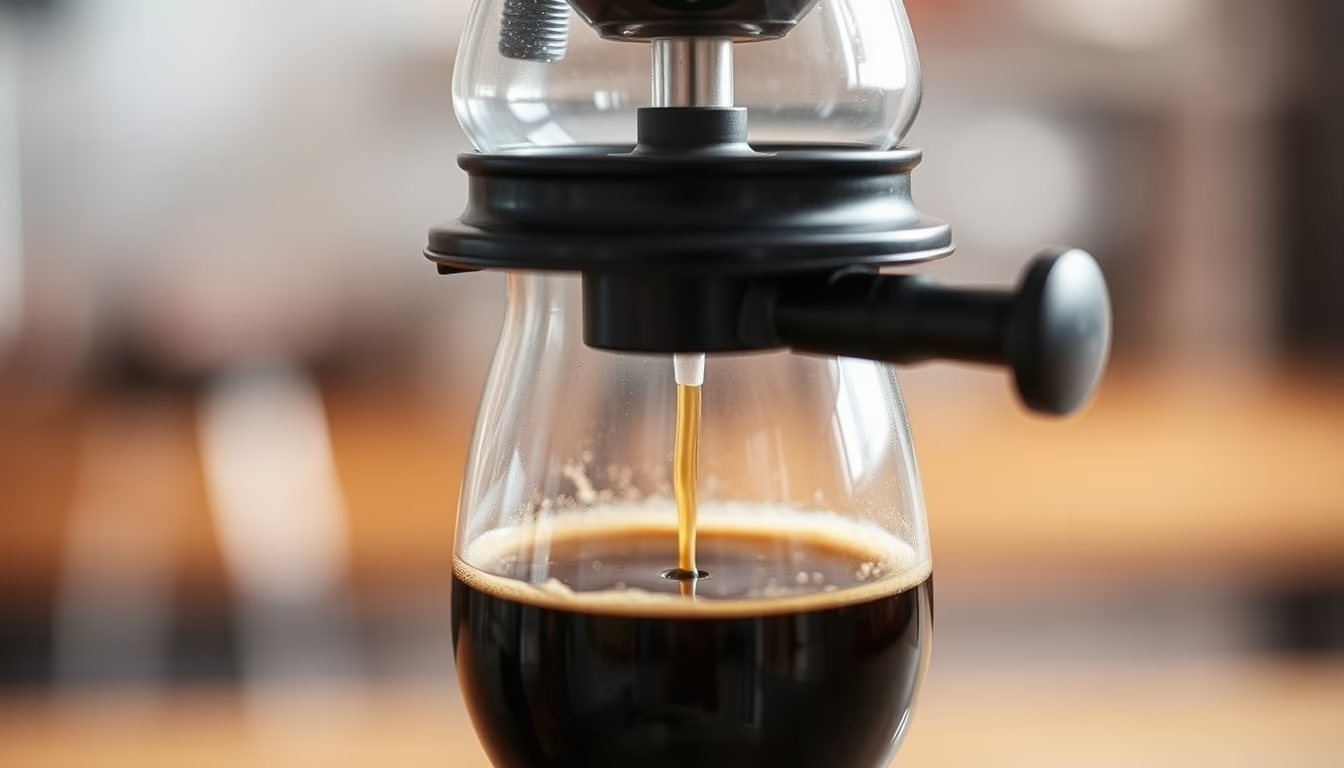
The siphon coffee brewer, also known as a vacuum coffee maker, uses vapor pressure and vacuum to produce a clean, aromatic brew with a unique visual appeal.
About this subject
The siphon coffee brewer, also known as a vacuum coffee maker, uses two glass chambers and a system of vapor pressure and vacuum to extract coffee. Water in the lower chamber is heated, forcing it to rise to the upper chamber where coffee grounds are placed. After a few minutes of steeping, the heat source is removed, and the negative pressure pulls the filtered coffee back down, resulting in a clear and full-bodied brew.
Invented in the early 19th century, the first siphon patent was filed by Loeff in 1830 in Germany. It gained widespread popularity in the 1920s, particularly in Japan, where it became a hallmark of specialty coffee culture. Brands like Hario and Bodum continue to produce modern versions that blend tradition with contemporary design.
A key feature of siphon coffee is its clean, tea-like body and pronounced sweetness, as the cloth or metal filter retains oils and sediment, giving a silky texture. The process is slower than other methods, taking 5 to 7 minutes, but offers a theatrical visual display that appeals to hobbyists and baristas alike.
While it requires practice to master temperature and brew time, the siphon offers precise control over extraction. The grind size should be medium, similar to French press, and water temperature ideally between 90°C and 95°C. Due to its aesthetic appeal and pure flavor, siphon coffee is often featured in specialty coffee shops as an experiential drink.
Frequently Asked Questions
How does a siphon coffee brewer work?
The siphon works by heating water in the lower chamber, which rises due to vapor pressure into the upper chamber containing coffee grounds. After steeping, the heat is removed and vacuum forces the filtered coffee back down.
What is the difference between siphon and drip coffee?
Siphon coffee is cleaner and lighter in body, with no sediment, thanks to a cloth or metal filter. The process is slower and more hands-on, but it enhances the sweetness and acidity of the beans.
What type of filter does a siphon use?
Traditional siphon brewers use a cloth filter (flannel) or a metal filter (stainless steel). Cloth filters retain more oils, while metal filters allow more fine particles through, altering the flavor profile.
Direct URL
https://pub-c7d6a6ea828543ac903a74a341ccb2e1.r2.dev/imagens/siphon-coffee-brewer-macro-closeup-p1.avifHow to credit
Include a visible link back to UtilizAí. Copy one of the snippets below:
<a href="https://xn--utiliza-eza.com/en/midia/imagens/siphon-coffee-brewer-macro-closeup-p1">Siphon coffee brewer</a> by <a href="https://xn--utiliza-eza.com">UtilizAí</a>, licensed under <a href="https://creativecommons.org/licenses/by/4.0/">CC BY 4.0</a>.
[Siphon coffee brewer](https://xn--utiliza-eza.com/en/midia/imagens/siphon-coffee-brewer-macro-closeup-p1) by [UtilizAí](https://xn--utiliza-eza.com), CC BY 4.0
License: CC-BY-4.0