Silk road spices arrayed
1344×768 · AVIF · CC BY 4.0
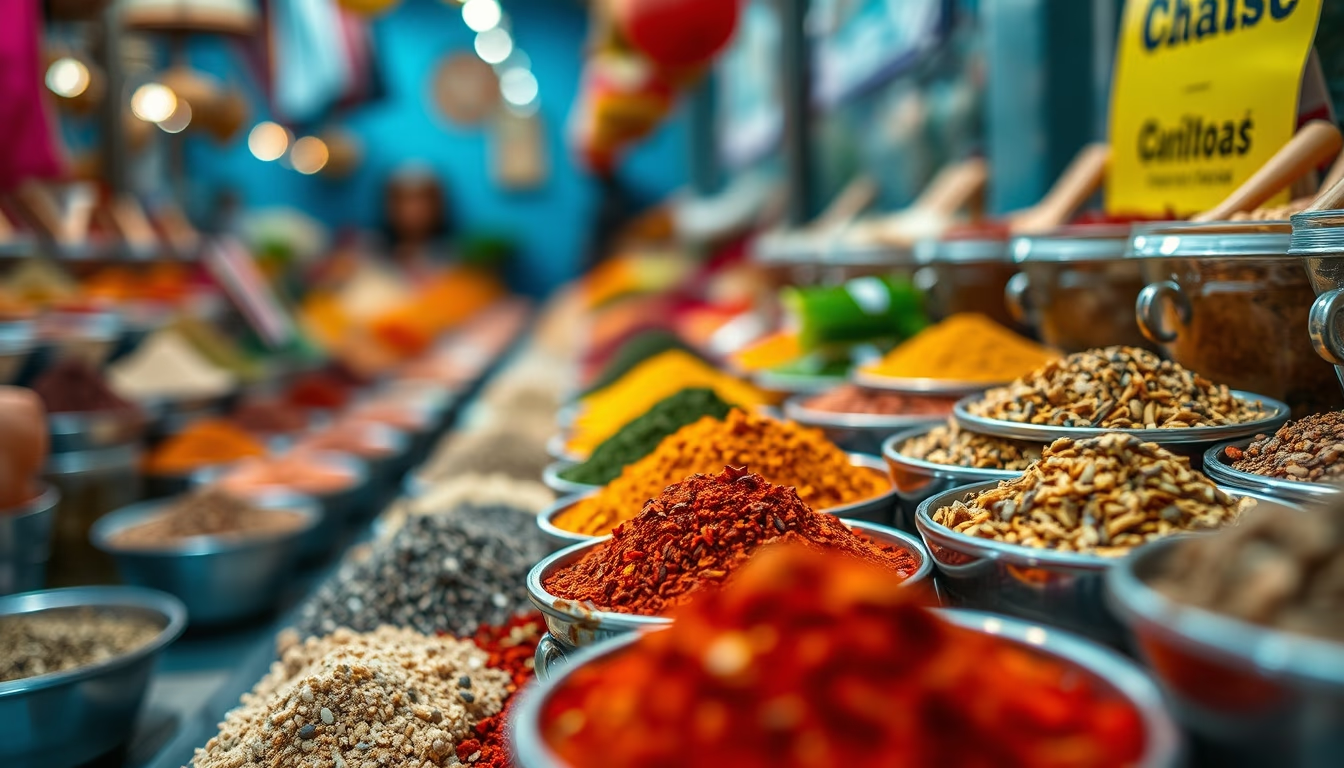
Silk Road spices transformed global cuisine and economy, connecting East and West for centuries.
About this subject
The Silk Road, a network of trade routes linking China to the Mediterranean, carried not only silk but also invaluable spices. Cinnamon, cloves, nutmeg, pepper, ginger, and saffron were among the most coveted items. Originating from India, Southeast Asia, and China, these goods traveled thousands of kilometers over land and sea, passing through trading posts in Persia, Arabia, and Constantinople. The spice trade fueled explorations, such as Vasco da Gama's voyages, and contributed to the rise of Italian city-states like Venice.
The value of spices in antiquity and the Middle Ages was immense: pepper was used as currency in ancient Rome and was worth its weight in gold. Cloves, native to the Maluku Islands, were so precious that they sparked conflicts among European powers. Nutmeg, also from the Maluku Islands, was associated with medicinal and aphrodisiac properties. Saffron, extracted from the stigma of a flower, remains the most expensive spice in the world due to the labor-intensive harvesting process.
The influence of spices on global cuisine is profound. They transformed European, Arab, and Asian dishes, introducing exotic flavors and preservation techniques. Curry, for example, combines spices like turmeric, cumin, and coriander from different regions along the Silk Road. In traditional Chinese, Indian, and Persian medicine, spices such as ginger and cinnamon have been used for millennia to treat digestive and inflammatory issues. The legacy of this trade endures: spices are now essential in kitchens worldwide, and their history is a testament to the cultural and economic interconnectedness of civilizations.
Frequently Asked Questions
Which spices were most valuable on the Silk Road?
Pepper, cinnamon, cloves, nutmeg, and saffron were among the most valuable. Pepper was used as currency in ancient Rome, and cloves were so precious they sparked trade wars.
How were spices transported along the Silk Road?
They were carried by camel caravans overland and by ships on maritime routes. Journeys could last months or years, passing through trading posts and facing dangers like bandits and storms.
What impact did spices have on global history?
The spice trade fueled the Age of Discovery, with European powers seeking direct routes to sources. It also influenced cuisine, medicine, and economics, connecting distant cultures.
Direct URL
https://pub-c7d6a6ea828543ac903a74a341ccb2e1.r2.dev/imagens/silk-road-spices-arrayed-tilt-shift-miniature-fresh5.avifHow to credit
Include a visible link back to UtilizAí. Copy one of the snippets below:
<a href="https://xn--utiliza-eza.com/en/midia/imagens/silk-road-spices-arrayed-tilt-shift-miniature-fresh5">Silk road spices arrayed</a> by <a href="https://xn--utiliza-eza.com">UtilizAí</a>, licensed under <a href="https://creativecommons.org/licenses/by/4.0/">CC BY 4.0</a>.
[Silk road spices arrayed](https://xn--utiliza-eza.com/en/midia/imagens/silk-road-spices-arrayed-tilt-shift-miniature-fresh5) by [UtilizAí](https://xn--utiliza-eza.com), CC BY 4.0
License: CC-BY-4.0